Creating your own study guides and revision notes is a great way to improve your exam performance. Break down topics into manageable sections and organize key concepts, definitions, and examples clearly. Use digital tools to add visual aids, highlight important points, and incorporate memorization techniques like mnemonics and flashcards. Active engagement in creating personalized materials helps deepen understanding and boosts memory. Keep exploring effective strategies to make your revision more efficient and tailored for success.
Key Takeaways
- Break down topics into manageable sections, highlighting key concepts, definitions, and examples for clarity.
- Use digital tools like Notion or Quizlet to organize notes and create interactive flashcards.
- Incorporate visual aids such as diagrams, charts, and mind maps to enhance understanding and retention.
- Apply memorization techniques like mnemonics, acronyms, and visualization to improve recall.
- Regularly update and review your guides using spaced repetition to reinforce learning and retention.

Have you ever wondered why some students perform better on exams than others? The secret often lies in how they prepare, especially in how they create their study guides and revision notes. Developing effective materials tailored to your learning style can make a significant difference. One of the most effective ways to do this is by using memorization techniques. These techniques help you internalize information more efficiently, making recall faster and more accurate during tests. Mnemonics, flashcards, and visualization are popular strategies that turn complex concepts into memorable images or phrases. For example, creating acronyms or rhymes can help you remember lists or sequences. But to maximize these memorization techniques, leveraging digital tools can be a game-changer. Apps like Anki, Quizlet, or Notion allow you to organize your notes digitally, set up spaced repetition schedules, and customize flashcards for different subjects. These tools make review sessions interactive and adaptable, which can lead to better retention over time. Instead of passive rereading textbooks or notes, digital tools encourage active engagement, making your revision more effective. When creating your own study guides, consider breaking down large topics into smaller, manageable sections. Use digital tools to outline key concepts, definitions, and examples, then build your notes around those core ideas. Incorporate diagrams, charts, and mind maps to visualize relationships between concepts; many digital platforms support these features, making your notes more engaging and easier to review. As you assemble your guides, prioritize clarity and simplicity. Highlight or color-code important points to draw attention to critical information. This approach not only helps with memorization but also ensures your review sessions are focused and efficient. Remember, the process of creating your own guides is as important as the guides themselves. When you actively organize and synthesize information, you deepen your understanding and enhance your ability to recall it later. Utilizing effective study techniques can further boost your learning outcomes and retention. Digital tools also enable you to customize your notes based on your evolving needs, whether that’s adding new insights or removing less relevant details. This flexibility keeps your revision process dynamic and tailored to your learning pace. Ultimately, combining effective memorization techniques with digital tools to craft personalized study guides can transform your exam preparation. Instead of passively reading or copying notes, you engage with the material in a way that resonates with how you learn best. By doing so, you’re not just preparing for your exams—you’re building a deeper understanding and confidence that can carry you through any test.

Rocketbook Cloud Cards, Reusable Index Cards, Flashcards, For Study & Presentations 3"x5", With Pen + Towel, Black (Pack of 40)
Reusable Index Cards for Endless Ideas – Say goodbye to single-use flashcards! Rocketbook Cards are erasable, tear-resistant, and…
As an affiliate, we earn on qualifying purchases.
As an affiliate, we earn on qualifying purchases.
Frequently Asked Questions
How Can I Make My Study Guides More Engaging?
To make your study guides more engaging, use creative formatting like colorful headings, bullet points, and highlights to emphasize key ideas. Incorporate visual aids such as diagrams, charts, and mind maps to break down complex concepts. These strategies help you stay focused, make learning enjoyable, and improve retention. By mixing visual elements with creative layouts, you’ll find studying becomes less of a chore and more of an interactive, stimulating experience.
What Tools Are Best for Digital Revision Notes?
For digital revision notes, you should consider using digital note apps like Evernote, OneNote, or Notion. These tools let you organize your notes efficiently, add multimedia integration like images, videos, and audio, and sync seamlessly across devices. They make reviewing more dynamic and engaging, helping you retain information better. With these apps, you can tailor your notes to your learning style, making revision more effective and less tedious.
How Often Should I Update My Study Guides?
You should update your study guides regularly, ideally aligning with your revision schedule. Aim for frequency updates at least once a week, especially after completing new topics or practice sessions. Consistent updates help reinforce your understanding and catch gaps early. Adjust your revision schedule to include these updates, ensuring your notes stay current and effective for exam preparation. Staying proactive keeps your study materials relevant and maximizes retention.
Can Study Guides Replace Classroom Learning?
Imagine your study guides as colorful maps guiding you through a vast landscape. They shouldn’t replace classroom learning but complement it. Use memorization techniques and visual aids to deepen understanding, making complex concepts vivid and memorable. Think of them as your personal toolkit, enhancing your learning journey. While they help reinforce knowledge, the classroom provides interaction and real-time feedback that study guides alone can’t match.
How Do I Tailor Notes for Different Subjects?
You tailor notes for different subjects by using subject-specific strategies and note customization. Focus on key concepts and terminology unique to each subject, and adjust your note-taking methods accordingly. For example, use diagrams for science and flowcharts for history. Incorporate colors or symbols to highlight important points. This way, your notes become more organized and effective, helping you understand and recall information better tailored to each subject’s demands.

My Blank Mind Map Template Book: A Visual Thinking Notebook with Mind Mapping Templates to Improve Memory and Organize Thoughts
As an affiliate, we earn on qualifying purchases.
As an affiliate, we earn on qualifying purchases.
Conclusion
Don’t think creating your own study guides takes too much time—it’s actually a smart investment. By tailoring notes to your learning style, you’ll understand concepts better and remember them longer. Plus, it’s a powerful way to stay organized and confident for exams. So, skip the generic notes and give this a try. Your future self will thank you for the effort. Trust me, personalized guides make all the difference in acing your studies!
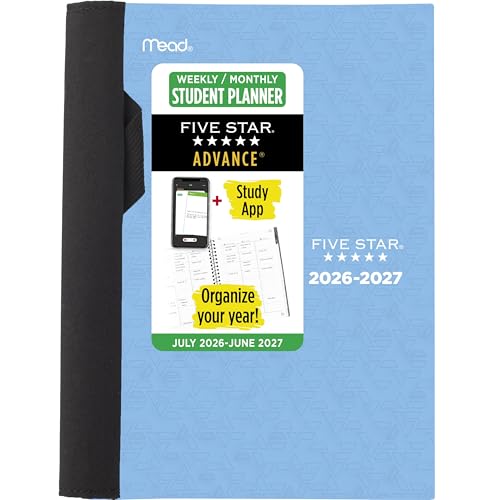
Five Star Planner 2026-2027 Weekly & Monthly Academic 12-Month July-June Advance Student Planner + Study App, 5-1/2" x 8-1/2", Blue (CAW45920)
LASTS ALL YEAR. GUARANTEED!
As an affiliate, we earn on qualifying purchases.
As an affiliate, we earn on qualifying purchases.

Memorization Techniques for Actors: How to Quickly Become a Master at Learning Acting Lines | Easy Tools & Proven Strategies to Boost Your Memory in High Stress Situations and Nail Your Next Audition
As an affiliate, we earn on qualifying purchases.
As an affiliate, we earn on qualifying purchases.