

To document your family’s migrations and movements, start by collecting oral histories from older relatives to uncover personal stories, routes, and motivations. Then, gather official records like census data, immigration papers, and land deeds to confirm details and trace patterns. Visualize these journeys using maps to see geographical routes and create a timeline to understand key events over generations. Continuing with these steps will help you piece together an extensive and meaningful family migration story.
Key Takeaways
- Conduct interviews with older relatives to gather personal migration stories and motivations.
- Cross-reference oral histories with official records like census and immigration documents for accuracy.
- Map migration routes geographically to visualize movement patterns and identify geographical obstacles.
- Create a chronological timeline of family relocations to understand migration sequences and key events.
- Incorporate historical context to interpret migration trends and their impact on family heritage.

Family migrations and movements have shaped societies for centuries, reflecting economic, social, and political factors that compel families to relocate. To truly understand these shifts, you need to trace the ancestral routes and migration patterns that your family followed. These routes carry stories of survival, adaptation, and change, revealing why your ancestors moved from one place to another and how their journeys influenced your family’s history. By documenting these migration patterns, you gain insight into your heritage and the forces that shaped your lineage.
Start by gathering oral histories from relatives. Ask older family members about their memories of moving, the reasons behind their decisions, and the places they traveled through. These personal stories often contain details about ancestral routes—paths your ancestors took across regions or countries—and the challenges they faced along the way. Recording these narratives preserves crucial details that might not be found in official records, giving your family history depth and authenticity. Pay attention to details like specific locations, transportation methods, and motivations, as they help reconstruct migration patterns more accurately.
Gather family stories to uncover migration routes, challenges faced, and details that official records might overlook.
Next, explore historical records, such as census data, immigration documents, and land deeds. These sources can confirm the routes your ancestors took, revealing patterns of movement over generations. For example, you might find a series of entries showing your family arriving at port cities before settling in specific regions. These patterns illustrate broader migration trends, like rural-to-urban shifts or waves of immigration driven by economic opportunities or political unrest. Tracing these patterns helps you understand not only where your family came from but also the socioeconomic factors that influenced their decisions.
Using maps can be especially helpful in visualizing your family’s journey. Plot the locations mentioned in oral histories and official documents to see the migration routes clearly. Overlay these routes onto historical maps to understand the geographical context and the obstacles your ancestors might have faced, such as mountain ranges, deserts, or political borders. This spatial perspective makes it easier to grasp the complexity of migration patterns and the resilience of your ancestors. Additionally, understanding popular migration routes can shed light on common pathways and destinations that many families followed during specific periods.
Finally, compile all this information into a family migration timeline. This timeline provides a chronological overview of your family’s movements, highlighting key events and turning points. By documenting your family’s migration history this way, you create a valuable resource that connects generations and preserves your heritage. Understanding your ancestors’ migration patterns isn’t just about names and dates; it’s about uncovering the stories of perseverance that shaped your family’s identity and contributed to the broader narrative of human movement.
![Fockety Notebook, 2 Workbook Worksheets to Build Your Family History Spiral Bound, Gifts for Baby, Men, Women, Grandparents, in Laws, Children for Genealogy Memorie [Kitchen]](https://m.media-amazon.com/images/I/41+b-i2UvxL._SL500_.jpg)
Fockety Notebook, 2 Workbook Worksheets to Build Your Family History Spiral Bound, Gifts for Baby, Men, Women, Grandparents, in Laws, Children for Genealogy Memorie [Kitchen]
Genealogy Organizer: This genealogy notebook makes it easy to record and organize your family history. it has charts…
As an affiliate, we earn on qualifying purchases.
As an affiliate, we earn on qualifying purchases.
Frequently Asked Questions
What Are the Best Digital Tools for Tracking Family Migrations?
You should consider using genealogy software combined with digital mapping tools to track family migrations effectively. Genealogy software like Family Tree Maker or RootsMagic helps organize family history data, while digital mapping tools such as Google Earth or ArcGIS allow you to visualize migration routes on maps. Together, these tools provide a thorough way to document and analyze your family’s movements over generations, making it easier to understand their journeys and origins.
How Can I Access Historical Migration Records for My Ancestors?
You can access historical migration records for your ancestors by exploring online archives, government databases, and immigration law records. Interview family members for oral histories to gather personal insights. Check national and local archives, immigration records, and census data for detailed information. Many records are digitized and accessible online, providing a wealth of details about your ancestors’ migration journeys and how immigration laws impacted their movements.
What Ethical Considerations Should I Keep in Mind When Documenting Family Histories?
Oh, the thrilling world of family history! Remember, when you’re uncovering secrets, respect family privacy and get consent before sharing sensitive details. Don’t turn your genealogical quest into a privacy invasion—think of it as a moral treasure map. Be considerate of living relatives’ feelings, avoid oversharing, and honor their right to control their personal stories. After all, history’s best preserved with respect, not ransacking.
How Do I Verify the Accuracy of Migration Stories Passed Down Through Generations?
To verify migration stories passed down through generations, you should cross-reference oral traditions with available historical records and documents. Talk to multiple family members to identify consistent details and look for supporting evidence like old photographs, letters, or official records. Keep in mind that oral history offers valuable insights, but confirming facts through diverse sources helps ensure accuracy and maintains the integrity of your family’s migration story.
What Cultural Sensitivities Should I Be Aware of When Recording Family Movements?
When recording family movements, you should be aware of cultural taboos and practice respectful storytelling. Avoid pushing for details that might be sensitive or uncomfortable, and always ask permission before sharing personal stories. Show genuine interest and listen carefully, respecting their boundaries. Remember, each culture has its own norms, so stay culturally sensitive and avoid making assumptions, ensuring you honor the family’s traditions and perspectives throughout your documentation.
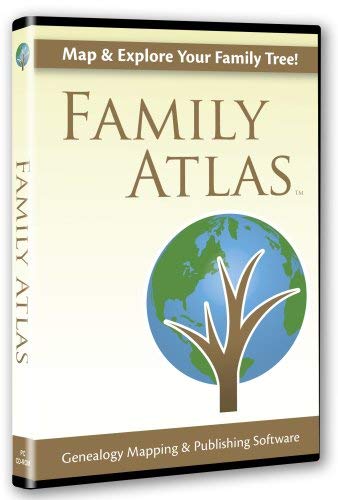
Family Atlas Genealogy Mapping Software
"A truly stunning new software product" – George Morgan
As an affiliate, we earn on qualifying purchases.
As an affiliate, we earn on qualifying purchases.
Conclusion
As you trace your family’s migrations, you realize each move is like a chapter in a never-ending storybook. Your ancestors’ journeys shaped your present, just like a GPS reroutes you through history’s twists and turns. Remember, even in a world where smartphones exist, the true adventure lies in uncovering your roots. So, keep exploring, because your family’s story is still being written—just like that classic novel you can’t put down.

1844 Map of Ireland 11×14 Unframed Poster, Vintage Antique Cartography, Historical Maps of Irish Counties Decorative Wall Art, European Geography Decor, Irish Heritage for Genealogy & History Buffs
1844 ANTIQUE MAP OF IRELAND: Vintage reproduction of a 19th century cartographic survey showing all Irish counties, regional…
As an affiliate, we earn on qualifying purchases.
As an affiliate, we earn on qualifying purchases.
Ancestor Census Timelines: Record Sheets for Genealogy Research
As an affiliate, we earn on qualifying purchases.
As an affiliate, we earn on qualifying purchases.