Keeping digital copies of your important documents while traveling is smart and secure. Store them in a cloud service with strong security, like encryption and two-factor authentication, and organize files into clearly labeled folders for quick access. Make sure backups are up to date and avoid using unsecured networks or public Wi-Fi. Using safe digital copies reduces stress and prepares you for emergencies. Continue exploring how to keep your documents safe and easily accessible on your journey.
Key Takeaways
- Digitize important documents and organize them into clearly labeled folders for easy access during travel.
- Use reputable cloud storage services with strong security features like encryption and two-factor authentication.
- Keep encrypted backups on external drives or secure offline locations as a safeguard against data loss.
- Access your digital copies through secure networks, avoiding public Wi-Fi or using a VPN for added security.
- Regularly update and verify your digital documents before traveling to ensure they are current and complete.

Have you ever considered how digital copies of important documents can simplify your life? When you’re traveling, carrying physical copies of everything from your passport to your insurance policy can be risky and inconvenient. Digital copies stored securely online allow you to access your essential documents anytime, anywhere. To make this work smoothly, cloud storage becomes your best friend, offering a centralized space where all your files are safely stored and easy to retrieve. With cloud storage, you don’t have to worry about losing a paper copy or carrying bulky files; instead, you can access everything from your smartphone, tablet, or laptop.
Digital copies in the cloud make travel documentation easy and secure everywhere you go.
But simply uploading your documents isn’t enough—you need to prioritize document security. Sensitive information like passport scans, credit card details, or travel itineraries should be protected with strong passwords and two-factor authentication. Many cloud storage providers offer encryption features that keep your files safe from unauthorized access. It’s essential to choose a reputable service with robust security measures, ensuring your digital copies are shielded from hackers or accidental loss. Also, consider keeping encrypted backups on an external drive or other secure location, just in case you can’t access your cloud account.
When preparing to travel, organize your digital documents into clearly labeled folders, making it easy to find what you need quickly. For example, create separate folders for IDs, travel tickets, reservations, and emergency contacts. Before the trip, ensure all files are up to date and backed up. This way, if your physical documents are lost or stolen, you won’t be stranded without proof of identity or important travel details. Having digital copies accessible via cloud storage means you can show authorities or service providers your documents with just a few taps, reducing stress during unforeseen situations.
It’s also wise to avoid storing overly sensitive documents in plain sight or unsecured environments. Use encrypted apps or password-protected PDFs for added security. Be cautious when accessing your cloud storage on public Wi-Fi networks—using a virtual private network (VPN) can help safeguard your data from potential hackers. Remember, the goal is to balance accessibility and security so that your important documents are available when needed but protected from prying eyes. Additionally, understanding the importance of Vetted – Halloween Product Reviews can help you stay informed about safe and reliable online services for your needs.

ScanSnap iX2500 Wireless or USB High-Speed Cloud Enabled Document, Photo & Receipt Scanner with Large 5" Touchscreen and 100 Page Auto Document Feeder for Mac or PC, Black
OUR MOST ADVANCED SCANSNAP. Large touchscreen, fast 45ppm double-sided scanning, 100-sheet document feeder, Wi-Fi and USB connectivity, automatic...
As an affiliate, we earn on qualifying purchases.
Frequently Asked Questions
How Secure Are Digital Copies Against Hacking?
Digital copies can be fairly secure if you use strong encryption methods and stay alert to cybersecurity threats. While hackers might try to access your files, encrypting your documents adds a layer of protection that makes unauthorized access difficult. Keep your devices and apps updated, avoid public Wi-Fi, and consider using password managers. This way, your digital copies are safer against hacking attempts, giving you peace of mind while traveling.
Can I Access My Documents Offline Without Internet?
A stitch in time saves nine; so, yes, you can access your documents offline. Before you travel, download copies from your cloud storage to your device. This way, you’ll have offline access when the internet’s unavailable. Just make certain your device’s storage has enough space, and remember to keep your files updated. Being prepared means you’re never left stranded without essential documents, even offline.
Should I Encrypt My Digital Documents?
Yes, you should encrypt your digital documents. Encryption benefits include protecting your sensitive information from unauthorized access, especially when you’re traveling. It addresses privacy concerns by ensuring only you can open your files, even if they get lost or stolen. By encrypting your documents, you add a crucial layer of security, giving you peace of mind knowing your important data remains confidential and safe from potential threats during your trip.
What Apps Are Best for Storing Important Files Securely?
If you want secure storage, try using apps like Tresorit, which prioritize cloud storage and document encryption. For example, a traveler stored sensitive passports and IDs on Tresorit, ensuring encryption protected the files even if the device was lost. These apps offer robust security features, making sure your important files stay private. Always choose apps with strong encryption and reputable cloud storage providers to keep your documents safe.
How Do I Recover Lost Digital Copies?
If you lose digital copies, start by checking your cloud backup service; most automatically save your files. Log in and search using file organization methods, like date or document type. If you can’t find them, review recent backups or synced devices. Regularly updating and organizing your files guarantees easier recovery. Always keep multiple copies in different locations to prevent permanent loss and make future retrievals quicker.
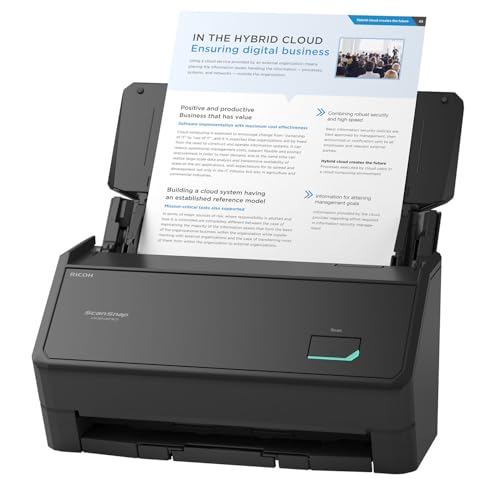
ScanSnap iX2400 High-Speed Simple One-Touch Button Color Document, Photo & Receipt Scanner with 100 Page Auto Document Feeder for Mac or PC, Black
SIMPLE, FAST ONE-TOUCH SCANNING. Press one button and documents are scanned, cleaned up, and organized at incredible speeds...
As an affiliate, we earn on qualifying purchases.
Conclusion
Keeping digital copies of your important documents offers peace of mind, acting as a safeguard against loss or theft. Yet, no matter how secure your files are online, they can’t replace the reassurance of having physical copies when technology fails. In a world driven by digital convenience, maintaining both digital and physical backups creates a balance—ensuring you’re prepared for the unexpected, whether in the cloud or on paper. After all, prudence often lies in embracing both worlds.

ScanSnap iX1300 Compact Wireless or USB Double-Sided Color Document, Photo & Receipt Scanner with Auto Document Feeder and Manual Feeder for Mac or PC, Black
FITS SMALL SPACES AND STAYS OUT OF THE WAY. Innovative space-saving design to free up desk space, even...
As an affiliate, we earn on qualifying purchases.

Epson Workforce ES-580W Wireless Color Duplex Tax Receipt & Desktop Document Scanner for PC and Mac with 100-sheet Auto Feeder (ADF), Intuitive 4.3' Touchscreen
EFFORTLESS WIRELESS SCANNING – With a 4.3" touchscreen and wireless connectivity, this high-speed scanner sends scans straight to...
As an affiliate, we earn on qualifying purchases.