

To keep your startup on track, you’ll need vital legal, financial, and operational documents like business licenses, registration certificates, formation papers, and records to prove compliance. Funding agreements with investors or lenders are also essential to protect your interests. Additionally, tools like business plans, NDAs, and employment contracts support smooth operations and build trust. Ensuring you have these documents organized and up-to-date helps avoid legal issues and sets a strong foundation for growth—further details can guide you in the right direction.
Key Takeaways
- Business licenses and permits required to legally operate and avoid penalties.
- Registration certificates and formation documents establishing the company’s legal status.
- Funding agreements with investors detailing investment terms and protecting interests.
- Record-keeping of all legal and financial documents for compliance and audits.
- Additional documents like business plans and employment contracts to support operations and trust.

Starting a new business is an exciting journey, but it also requires careful organization from the outset. One of your top priorities should be guaranteeing legal compliance. This means understanding and adhering to all relevant laws and regulations that apply to your industry and location. Failing to do so can lead to costly fines, legal disputes, or even the shutdown of your business. To stay compliant, you’ll need to gather and maintain essential legal documents such as business licenses, permits, and registration certificates. These documents prove that you’re operating within the law and are prepared for inspections or audits. Additionally, if you’re forming a partnership or corporation, you must file the appropriate formation documents, like articles of incorporation or organization. Proper record-keeping of these documents not only helps you stay compliant but also provides clarity about your business structure and ownership.
Funding agreements are another critical set of documents that you can’t overlook. When you seek outside funding—whether from investors, banks, or venture capitalists—you’ll need clear, legally binding agreements. These funding agreements specify the amount of money invested, the terms of repayment or equity, and any conditions tied to the funding. They serve to protect both you and your investors by establishing expectations upfront. Without proper funding agreements, misunderstandings can arise, potentially resulting in disputes or financial losses. Drafting thorough agreements ensures everyone’s interests are aligned, and it can also provide a roadmap for resolving disagreements if they occur down the line. It’s wise to work with a legal professional when creating these documents, so they’re tailored to your specific needs and compliant with local laws. Additionally, understanding and maintaining essential legal documents such as business licenses and permits is vital for demonstrating compliance and avoiding penalties.
Beyond legal compliance and funding agreements, you should also focus on other foundational documents such as a business plan, non-disclosure agreements (NDAs), and employment contracts. But starting with the core legal and financial documents provides a strong foundation for your startup. Keep digital and physical copies organized and accessible, so you can quickly reference them during audits, investor meetings, or legal consultations. Remember, these documents are not just formalities—they are essential tools that protect your business, ensure smooth operations, and foster trust with partners and investors. Taking the time to establish and properly manage your legal compliance documents and funding agreements sets a solid groundwork for your startup’s growth and success.
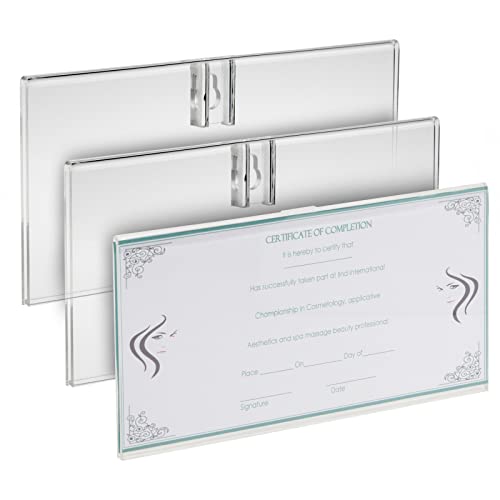
Stockroom Plus Clear Acrylic Business License Frame – Durable & Cosmetology License Holder – Adhesive Wall Mount & Permit Display Case – 3 Pack – 8.55 x 3.84 x 0.2 in
Sophisticated Document Display: Stockroom Plus offers the Clear Acrylic Business License Frame Holder, an elegant choice for displaying…
As an affiliate, we earn on qualifying purchases.
As an affiliate, we earn on qualifying purchases.
Frequently Asked Questions
How Often Should Startup Documents Be Reviewed and Updated?
You should review and update your startup documents regularly, ideally every three to six months. This keeps document versioning accurate and ensures everyone stays on the same page. As your team collaborates, frequent updates prevent outdated information from causing confusion. Schedule reviews to accommodate changes in your business, legal requirements, or team structure, and use clear versioning to track updates effectively. This proactive approach keeps your startup organized and compliant.
What Legal Considerations Are Involved in Drafting These Documents?
When drafting startup documents, you need to consider legal aspects like protecting intellectual property and clearly outlining employee agreements. You should ensure your intellectual property rights are well-defined to prevent disputes, and employee agreements must specify confidentiality, non-compete clauses, and ownership of work products. Consulting a legal professional helps you navigate local laws and industry standards, reducing risks and building a solid legal foundation for your startup’s growth.
Do Startups Need to Notarize or Officially Register These Documents?
Think of your startup documents as both a blueprint and a shield. You don’t always need to notarize or register them, but legal compliance depends on proper handling. Official registration or notarization may be required for certain contracts or agreements to ensure validity. Always store these documents securely and keep copies accessible. This helps protect your startup legally and ensures you’re prepared for audits, disputes, or future growth.
How Can Startups Ensure Confidentiality of Sensitive Documents?
You can guarantee confidentiality by implementing strong cybersecurity protocols and access control policies. Regularly update your security measures, such as encryption and secure passwords, to protect sensitive documents. Limit access only to essential team members, and use secure storage solutions like encrypted clouds or offline drives. Conduct staff training on confidentiality and data handling best practices. These steps help prevent unauthorized access and safeguard your startup’s critical information effectively.
Are There Industry-Specific Documents Required for Certain Startups?
Just like a chef needs special recipes, your startup might require industry-specific documents. Depending on your sector, you’ll need to follow industry regulations and include documents like compliance reports or safety protocols. Using document templates tailored for your industry saves time and guarantees accuracy. You should research your industry’s requirements and customize templates accordingly, so your startup stays compliant and professional from day one.

ENGPOW Legal Size Expanding File Folder Important Document Organizer Fireproof Document Bag with 13 Pockets,Color Labels,Non-Itchy Silicone Coated Portable File Wallet Large Capacity(16" x 10.6")
Double Layers Protection: Our newly designed file folder uses different materials than other folder.Double Layered design, high quality…
As an affiliate, we earn on qualifying purchases.
As an affiliate, we earn on qualifying purchases.
Conclusion
By gathering these essential documents, you’re building a strong foundation for your startup, like a sturdy house that can withstand any storm. Keep everything organized and up-to-date, so you’re always prepared to face challenges head-on. Remember, a well-documented business is like a trusted map guiding you toward success. Stay diligent, stay focused, and your startup will thrive just like a well-tended garden blossoming in full bloom.
funding agreement template for investors
As an affiliate, we earn on qualifying purchases.
As an affiliate, we earn on qualifying purchases.

Legal Forms for Starting & Running a Small Business: 65 Essential Agreements, Contracts, Leases & Letters
As an affiliate, we earn on qualifying purchases.
As an affiliate, we earn on qualifying purchases.