To organize your family tree documents and certificates effectively, start by digitizing all records with high-resolution scans. Use descriptive filenames and categorize files into folders like birth, marriage, or census records. Secure sensitive information with password protection or encryption, and create a detailed inventory of your files. Regularly back up your archive and review privacy settings. Following these steps will simplify future research and help preserve your family’s legacy for generations to come. Keep exploring to learn more.
Key Takeaways
- Digitize all family documents with clear, descriptive filenames and organize them into categorized folders for easy access.
- Develop and regularly update a master inventory or index detailing document locations and relevant details.
- Implement privacy measures like password protection and encrypted storage to secure sensitive information.
- Back up digital files to multiple locations and review organization practices periodically for accuracy.
- Maintain consistent organization methods to preserve family history and streamline future research efforts.

Organizing family tree documents can seem overwhelming, but taking a systematic approach makes the process manageable. One of the most effective ways to do this is through digital archiving. By digitizing your certificates, photographs, and records, you not only create a backup in case physical documents are lost or damaged but also make searching for specific information much easier. Start by gathering all your physical documents and scanning them at high resolution. Use clear, descriptive filenames that include names, dates, or event details—this will save you time when locating specific items later. Digital archiving also allows you to organize your files into folders or categories, such as birth certificates, marriage licenses, or census records, creating a structured, easy-to-navigate library of your family history. Implementing consistent naming conventions during file organization helps maintain clarity and facilitates easier retrieval in the future. While digitizing is vital, you must also pay close attention to privacy management. Family documents often contain sensitive personal information, and it’s essential to protect this data from unauthorized access. Decide who should have access to certain files, especially if you plan to share your family history online. Use password protection for digital files or encrypted storage options to safeguard private information. When uploading documents to cloud services, choose reputable providers that prioritize security and privacy. Regularly review your privacy settings and update passwords to prevent breaches, especially if your family tree includes details about living relatives. Maintaining strict privacy management ensures that your family’s sensitive information remains confidential, respecting the privacy rights of living individuals while still preserving your ancestral records. As you organize, consider creating a master inventory or index that details what documents you have, where they are stored, and any relevant notes about their provenance. This index can be digital or physical, but keeping it updated will help prevent duplicates and ensure you know exactly what’s available. It also makes it easier to share specific parts of your family history with trusted relatives or genealogists without exposing everything at once. Remember, the key to successful organization is consistency. Regularly review and update your digital archives, back up files to multiple locations, and keep privacy settings current. By doing this, you’ll build a resilient system that protects your family’s history and makes your research more efficient and secure. Taking these steps now will save you headaches later and help preserve your family’s legacy for generations to come.

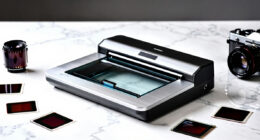
Epson Perfection V19 II Color Photo and Document Flatbed Scanner with 4800 dpi Optical Resolution USB Power, High-Rise, Removable Lid
Amazing image clarity and detail — 4800 dpi optical resolution (1), ideal for photo enlargements
As an affiliate, we earn on qualifying purchases.
As an affiliate, we earn on qualifying purchases.
Frequently Asked Questions
How Can I Verify the Accuracy of My Family Tree Documents?
You can verify the accuracy of your family tree documents by conducting source verification and document authentication. Cross-check information with original records like birth, marriage, and death certificates, and consult reputable sources such as archives or government offices. Use DNA testing to confirm relationships, and compare details with other family members’ accounts. This thorough approach helps guarantee your family history is accurate and reliable.
What Should I Do if Documents Are Damaged or Faded?
If your documents are damaged or faded, start by carefully handling them to prevent further harm. Use gentle cleaning techniques and consider professional faded document restoration services to improve clarity. For preservation, store originals in acid-free sleeves and keep them in a cool, dry place. Digitize damaged or faded documents to protect their information, making future restoration and sharing easier. Always consult a preservation expert for delicate or valuable items.
How Often Should I Update My Family Tree Files?
Think of your family tree as a living garden that needs regular tending. You should update your family tree files at least once every 1-2 years, especially after major life events. Establish a document revision schedule to keep everything current, ensuring your records truly reflect your family’s story. Staying consistent helps you preserve your heritage and catch any discrepancies early, just like pruning keeps a garden healthy.
Are There Digital Tools Recommended for Organizing Family History?
Yes, digital tools like genealogy software are highly recommended for organizing your family history. They help with digital archiving, making it easy to store, search, and update documents and certificates. You can use programs like Family Tree Maker or RootsMagic to keep everything organized and accessible. These tools streamline your research process, ensuring your family history remains well-preserved and easy to share with relatives.
How Can I Share Family Tree Documents Securely With Relatives?
Sharing family tree documents securely is like passing a delicate message in a bottle across the ocean. You can use secure sharing methods like encrypted email or cloud platforms with strong access controls. Encryption methods such as AES or end-to-end encryption keep your files private and protected from prying eyes. Always set strong passwords and verify your relatives’ contact details to guarantee your family history stays safe and confidential during the transfer.
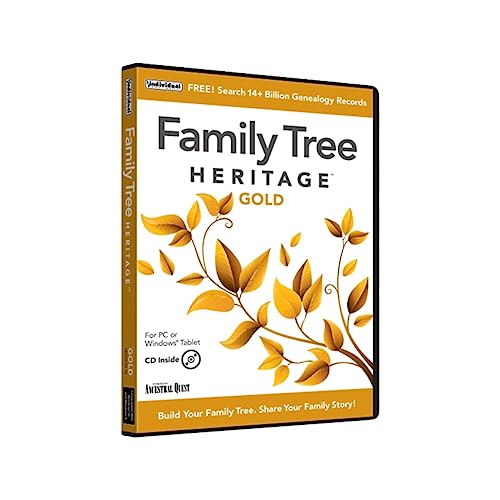
Individual Software ESD-F16M Family Tree Heritage GOLD 16 for Mac Learning Electronic Software
Family tree maker helps you build your family tree and share your family story
As an affiliate, we earn on qualifying purchases.
As an affiliate, we earn on qualifying purchases.
Conclusion
By staying organized, you make it easier to trace your family history. For example, imagine finding a long-lost birth certificate neatly stored in a labeled folder, helping you quickly verify an ancestor’s details. Keeping documents sorted and secure guarantees your family stories remain intact for generations. So, take the time now to organize your family tree papers; it’ll save you frustration and bring your family history to life whenever you need it.

Seagate One Touch, 2TB, Password activated hardware encryption, portable external hard drive, portable external hard drive, PC, Notebook & Mac, USB 3.0, Black (STKY2000400)
This external drive includes a USB cable that works seamlessly with Windows, Mac, and Chromebook laptops (purchase adapter…
As an affiliate, we earn on qualifying purchases.
As an affiliate, we earn on qualifying purchases.
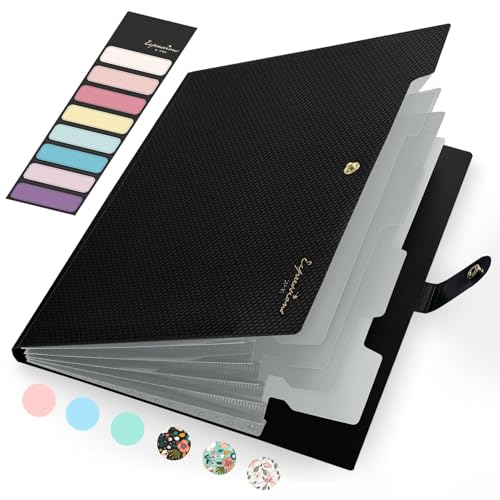
Sooez Accordion File Organizer, Letter Size Expanding File Folder with Labels, 5 Pocket Folders for Document, Portable Paper Bill Receipt Organizer for Home School Office Supplies, A4 Size, Black
Eye-Catching Colors: Designed to stand out, this folder combines fresh, vibrant hues with sleek patterns, making organization not…
As an affiliate, we earn on qualifying purchases.
As an affiliate, we earn on qualifying purchases.