
To meet translation requirements for travel and immigration documents, guarantee your translations are accurate, certified, or notarized as needed by the destination country. Use qualified translators familiar with legal and official terminology, and include a signed statement verifying accuracy. Check specific embassy or consulate guidelines before submitting documents, as standards vary. Also, verify your passport is valid for at least six months beyond your travel dates to avoid issues. More details can help you prepare seamlessly.
Key Takeaways
- Certified or notarized translations are often required to verify accuracy and authenticity of documents.
- Translations must be performed by qualified professionals familiar with legal and immigration terminology.
- Check specific country embassy or consulate guidelines for acceptable translation standards and certification.
- Accurate translation of all supporting documents, such as birth or marriage certificates, is essential to prevent delays.
- Keep copies of original and translated documents to facilitate review, resubmission, or clarification requests.
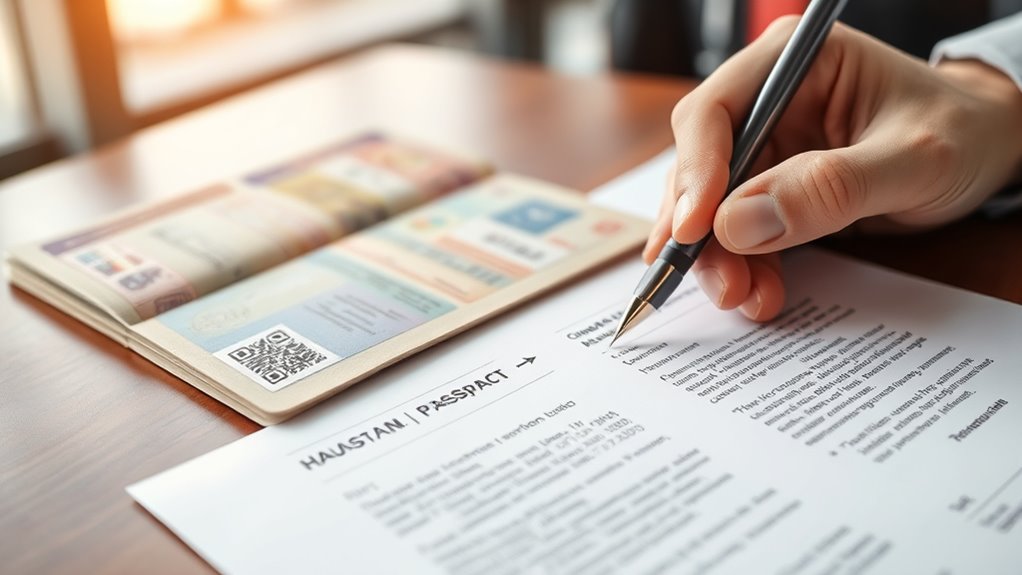
When you’re preparing travel or immigration documents, understanding the translation requirements is essential to avoid delays or rejection. One of the most critical aspects is ensuring that your documents meet the specific standards set by authorities. For example, your passport validity plays a vital role in the process. Many countries require your passport to be valid for at least six months beyond your planned departure date. If your passport is close to expiring, you may face difficulties or even be prevented from boarding your flight or entering the country. Make sure to check the validity of your passport well in advance and renew it if necessary. This proactive step can save you time and prevent last-minute issues.
In addition, the translation of your travel and immigration documents must often adhere to specific guidelines. Authorities typically require translations to be certified or notarized, confirming that the translation is accurate and complete. Failing to provide properly translated documents can lead to delays in visa processing, or worse, outright rejection. When dealing with visa application procedures, it’s crucial to ensure all supporting documents are translated correctly. This might include birth certificates, marriage certificates, financial statements, or invitation letters. Each document should be translated by a qualified translator familiar with legal and official terminology, and often, the translation must include a signed statement attesting to its accuracy. Additionally, translation accuracy is vital to ensure there are no misunderstandings or misinterpretations that could jeopardize your application.
Understanding the translation requirements for visa applications is particularly important because different countries have varying standards. Some may accept translations done by certified professionals, while others might require notarized copies. It’s a good idea to double-check the specific embassy or consulate’s guidelines before submitting your application. Keep in mind that even minor mistakes or untranslated sections can cause delays, forcing you to resubmit or provide additional documentation.
Furthermore, always keep copies of both the original documents and their translations. This helps if authorities request clarification or if you need to resubmit parts of your application. It’s also advisable to work with experienced translation services familiar with immigration procedures to ensure your documents meet all necessary requirements. By paying close attention to passport validity and following the proper visa application procedures, including accurate translations, you streamline your journey and minimize the risk of complications. Preparing thoroughly not only speeds up the process but also gives you peace of mind that your travel plans will proceed smoothly.
certified translation services for immigration documents
As an affiliate, we earn on qualifying purchases.
As an affiliate, we earn on qualifying purchases.
Frequently Asked Questions
Are Notarized Translations Accepted for Immigration Documents?
Yes, notarized translations are often accepted for immigration documents, but only if they meet translation accuracy and certification standards. You should make certain the translator provides a certified translation that clearly states their qualification and accuracy, while the notarization confirms authenticity. Always check the specific immigration authority‘s guidelines, as some might require official certified translations instead of notarized ones. It’s best to verify their preferences beforehand to avoid delays.
How Long Does a Translation Verification Process Typically Take?
Think of verification procedures as a relay race where each step counts. Typically, the translation timeline spans from a few days to two weeks, depending on the complexity and workload. You’ll want to factor in processing times, especially during busy seasons. The process involves careful checks to guarantee accuracy. So, plan ahead, and expect a window of about 3-14 days for a smooth verification process, ensuring your documents meet all requirements seamlessly.
Can I Translate Documents Myself for Visa Applications?
You can translate documents yourself for visa applications, but it’s not recommended. To guarantee translation accuracy, authorities often require certified translators who are qualified to provide official, reliable translations. Self-translations may lack the necessary certification, risking delays or rejection of your application. For the best chance of success, use certified translators who understand the specific requirements for visa documents and can provide accurate, legally recognized translations.
Are Digital or Scanned Document Translations Accepted by Authorities?
Digital submissions and scanned translations are often accepted by authorities, but it depends on the specific requirements of the country or agency you’re dealing with. Always check their guidelines before submitting scanned translations, as some may require certified paper copies. If digital submissions are permitted, guarantee your scanned translations are clear, complete, and properly certified if needed, to avoid delays or rejections in your visa or immigration process.
What Are the Penalties for Submitting Incorrect Translation Documents?
If you submit incorrect translation documents, you risk serious penalties, including delays or denial of your application. The penalty severity depends on translation accuracy; inaccuracies can lead to rejection or legal issues. To avoid this, guarantee your translations are precise and certified. Double-check all details before submitting, because even small errors can cause big problems, delaying your travel plans or immigration process. Always prioritize accuracy to stay compliant and avoid costly penalties.
notarized document translation for visas
As an affiliate, we earn on qualifying purchases.
As an affiliate, we earn on qualifying purchases.
Conclusion
Remember, meeting translation requirements is like planting a sturdy bridge for your journey—clear, accurate, and well-prepared. If you neglect this step, your travel plans could stumble like a boat hitting rough waters. By ensuring your documents are properly translated, you pave a smooth path to your destination, avoiding unnecessary delays or complications. Think of it as laying a solid foundation; it’s the key to opening your travel dreams without a hitch.
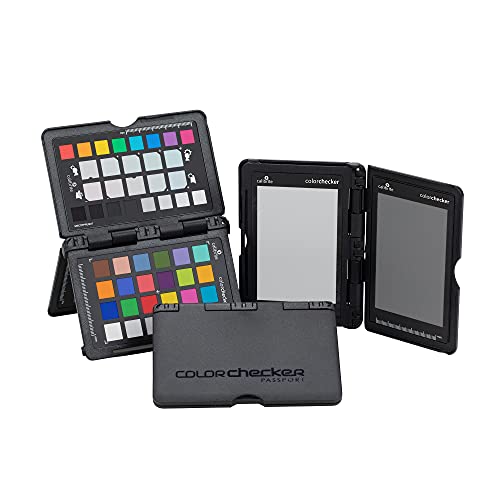
Calibrite ColorChecker Passport Photo 2 Portable Color Calibration Kit for Photo and Video, 4 Target Set for White Balance, Exposure and Camera Profiling, Protective Folding Case with Lanyard (CCPP2)
SPECIFICATIONS: Portable ColorChecker Passport kit with 4 targets for exposure control, custom white balance, camera profiling, and enhancement…
As an affiliate, we earn on qualifying purchases.
As an affiliate, we earn on qualifying purchases.

Promot Personalized Signature Stamp – Custom Self Inking Stamp with Your Handwritten Signature, Easy Stampers & Professional Impressions for Business, Legal, and Personal Documents (Medium)
Personalized with Your Handwritten Signature: Create your own stamp signature for a professional touch. Ideal for anyone who…
As an affiliate, we earn on qualifying purchases.
As an affiliate, we earn on qualifying purchases.