To build a multi-layered storage system for your travel papers, start by categorizing documents like passports, visas, tickets, and insurance. Use durable folders or organizers labeled for each category and keep physical copies in secure, easily accessible spots. Create digital backups with encryption, and maintain a master list for tracking renewals and locations. Regularly update and declutter your system to stay organized; there’s more to fine-tuning these layers for smooth travels.
Key Takeaways
- Categorize documents into distinct groups (passports, visas, tickets, insurance) for targeted storage and quick access.
- Use multi-compartment, waterproof organizers labeled clearly for each category to streamline retrieval.
- Implement a digital backup system with encrypted cloud storage and secure USB drives for redundancy.
- Maintain a master spreadsheet tracking document statuses, renewal dates, and storage locations, with regular updates.
- Incorporate physical tags, labels, and QR codes on folders for efficient identification and seamless organization.

In today’s fast-paced world, managing travel documents can quickly become overwhelming if you don’t have an organized system in place. The key to staying ahead is developing a multi-layered storage system that keeps your papers secure, accessible, and well-organized. When designing this system, you need to prioritize digital security and effective organizational strategies to prevent stress and last-minute scrambling.
Start by categorizing your travel papers into essential groups—passports, visas, flight tickets, hotel reservations, travel insurance, and emergency contacts. Once sorted, implement a combination of physical and digital storage solutions. For your physical documents, invest in a durable, waterproof travel organizer or folder. Use labeled sections or envelopes for each category, making it quick to locate what you need. Keep this organizer in a secure, easily accessible place, like a carry-on pocket or a dedicated compartment in your bag.
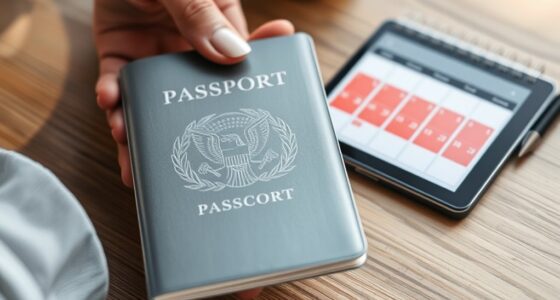
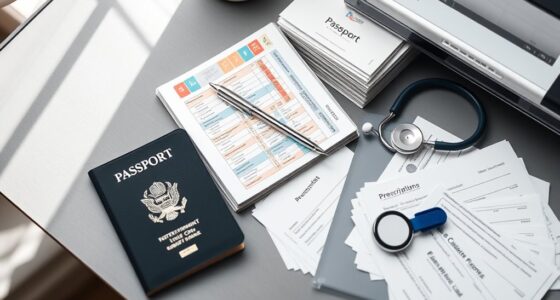
Organize your travel papers into categories and store them securely in labeled, waterproof folders for easy access.
On the digital side, create secure backups of all important documents. Use encrypted storage options—such as password-protected cloud services or encrypted USB drives—so your sensitive information remains safe from cyber threats. Digital security should be your top priority to prevent identity theft or data breaches, especially when storing copies of passports or visas. Regularly update these backups, especially before each trip, to ensure you’re working with the latest versions.
Organizational strategies also include maintaining a master list or spreadsheet that details where each document is stored, along with renewal dates and key information. This helps you stay proactive about renewals and prevents last-minute searches for expired or misplaced papers. Consider setting reminders on your phone or calendar for important expiry dates and check-ins. Additionally, decluttering your physical and digital files periodically can help streamline your system and reduce the risk of losing critical documents amid clutter.
To make your multi-layered storage system even more effective, incorporate a physical and digital tagging system. Use clear labels on physical folders and bright-colored stickers or QR codes on digital files for quick identification. When traveling, keep a small, laminated copy of essential documents with you—just in case your digital devices are inaccessible or malfunction.
Frequently Asked Questions
What Materials Are Best for Waterproof Travel Document Storage?
You should choose waterproof fabric like nylon or PVC for your travel document storage to guarantee protection from water. Using plastic sleeves inside your case provides an extra layer of waterproofing and keeps documents organized. These materials are durable, lightweight, and resistant to moisture, making them ideal for travel. Combining waterproof fabrics with plastic sleeves ensures your travel papers stay dry and safe, no matter the weather conditions.
How Can I Organize Digital Copies Effectively?
Did you know that over 50% of travelers lose important documents? To improve digital organization, create a consistent file naming system, like including dates and document types. Use folders to categorize files (e.g., passports, visas). Regularly back up your digital copies to cloud storage. This way, you can quickly locate your travel papers and avoid last-minute stress, ensuring your documents stay safe and accessible everywhere you go.
What Are the Best Practices for Secure Document Disposal?
To securely dispose of documents, you should first encrypt sensitive files to protect their content. Then, use shredding techniques like cross-cut or strip shredding to physically destroy paper copies. Always double-check that all digital copies are encrypted before deletion. Combining these methods guarantees your travel papers and personal information stay confidential and are irrecoverable, minimizing risks of identity theft or data breaches.
How Often Should I Review and Update Stored Papers?
You should review your stored papers at least once a year, balancing the need for document authentication with the risk of outdated info. Imagine a secure vault—if you don’t check it regularly, emergency access might be hindered or documents become obsolete. Regular updates guarantee your travel papers remain current, protecting your identity and facilitating quick access when needed. Stay proactive to keep your system reliable and secure.
Are There Specific Storage Solutions for International Travel Documents?
Yes, there are specific storage solutions for international travel documents that prioritize passport security and your travel checklist. Use waterproof, tamper-proof organizers or RFID-blocking wallets to protect your passport and important papers. Keep copies in a separate, secure location, like a digital vault or encrypted cloud storage. This guarantees your documents stay safe, easily accessible, and organized, reducing stress during travel and helping you follow your travel checklist smoothly.
Conclusion
Think of your storage system as a fortress guarding your travel papers. Each layer acts like a sturdy wall, shielding your important documents from the chaos outside. By building these layers thoughtfully, you create a safe haven that keeps your essentials protected and accessible, no matter the storm. Remember, a well-guarded fortress isn’t built in a day, but with patience and care, your travel papers will always find a secure home—ready for whatever journey lies ahead.