Digital study tools make learning a language flexible and engaging by offering interactive resources you can access anytime, anywhere. They replace traditional textbooks with features like pronunciation guides, speech recognition, and customized lessons that adapt to your progress. Gamification and multimedia content boost your motivation, while exposure to diverse accents and cultures enriches your understanding. Keep exploring to discover how these innovative tools can accelerate your language skills and make learning enjoyable.
Key Takeaways
- Digital tools enable flexible, anytime-anywhere language practice, replacing traditional textbooks and classroom lessons.
- Advanced pronunciation features with audio and visual feedback help improve speech accuracy and confidence.
- Adaptive learning algorithms customize skill focus and difficulty, enhancing individual progress.
- Gamification and multimedia content increase engagement, motivation, and cultural understanding.
- Interactive features like chatbots and real-world scenarios support practical language use and immersive learning.

Are digital study tools transforming the way you learn a new language? If you’re like many learners today, the answer is a resounding yes. With the rise of innovative language apps and interactive resources, you’re no longer limited to traditional textbooks or classroom lessons. Instead, you can immerse yourself in the language anytime and anywhere, making learning more flexible and engaging. These tools are designed to fit into your busy schedule, giving you the ability to practice daily and maintain consistent progress. As you explore different apps, you’ll discover features tailored to your needs—such as vocabulary drills, conversation simulations, and grammar exercises—that make the learning process more dynamic and personalized.
One of the biggest advantages of using digital study tools is the accessibility of pronunciation guides. When you’re trying to master a new language, pronunciation can be one of the trickiest parts. Luckily, many language apps incorporate advanced pronunciation guides that help you hear and mimic native speakers accurately. These guides often use audio recordings, speech recognition, and visual feedback to show you how your pronunciation compares to the correct one. This immediate feedback helps you refine your accent and develop more authentic speech patterns, boosting your confidence in real-life conversations. Instead of waiting for in-person feedback, you get instant, targeted corrections that accelerate your learning curve.
Digital tools also allow you to customize your learning experience. You can choose focus areas based on your goals—whether it’s speaking, listening, writing, or reading—and adjust the difficulty level as you improve. Many apps use spaced repetition algorithms to reinforce vocabulary and grammar, ensuring you retain what you’ve learned over time. Additionally, interactive features like chatbots and virtual tutors provide opportunities for practice that mimic real-world interactions. This hands-on approach helps you develop practical language skills, making your learning more relevant and effective.
Moreover, leveraging interactive features can significantly enhance your engagement and retention, making language acquisition more enjoyable. The gamification elements embedded in many language apps make studying feel less like a chore and more like an exciting challenge. Earning points, unlocking levels, or competing with friends can motivate you to stay consistent. You can also access a wealth of multimedia content—videos, podcasts, and articles—that expose you to diverse accents, dialects, and cultural contexts. This broad exposure enhances your understanding and appreciation of the language, making you more comfortable using it in authentic situations.

CZUR Shine Ultra Smart Portable Document Scanner, Thin Book Scanner with OCR, USB Document Camera for Desktop/Laptop, Capture Size A3, Compatible with Windows & Mac OS (Not for Android & iOS)
Design and Speed: Work with Windows XP/7/8/10/11 AND macOS 10.13 or later. Not compatible with Android and iOS....
As an affiliate, we earn on qualifying purchases.
Frequently Asked Questions
How Do Digital Tools Compare to Traditional Language Learning Methods?
Digital tools often outperform traditional methods by providing interactive grammar practice and instant feedback, making learning more engaging. You can expand your vocabulary quickly through apps and online resources tailored to your level. Unlike textbooks, digital platforms adapt to your progress, helping you stay motivated. They also offer diverse exercises, pronunciation help, and real-time conversation practice, making language learning more dynamic and personalized compared to conventional approaches.
Can Digital Tools Help Achieve Native-Like Pronunciation?
Digital tools can substantially help you achieve native-like pronunciation by improving your accent accuracy and listening skills. They provide real-time feedback and expose you to authentic accents, allowing you to mimic sounds more precisely. Interactive exercises and speech recognition technology help you refine your pronunciation. While they’re effective, consistent practice and active listening are essential for mastering native-like accents, so use these tools regularly to see the best results.
What Are the Best Free Digital Resources for Language Learners?
You should try Duolingo, Memrise, and BBC Languages for free digital resources. They offer excellent vocabulary building exercises and integrate cultural context to help you understand idioms and customs. These platforms use interactive lessons, audio, and visuals, making learning engaging. By regularly practicing, you’ll expand your vocabulary and gain a deeper appreciation for cultural nuances, enhancing your overall language skills efficiently and enjoyably.
How Can Digital Tools Overcome Language Immersion Challenges?
Digital tools help you overcome immersion challenges by offering virtual immersion experiences that mimic real-life interactions. You can engage with native speakers via chat or video, practicing your skills in authentic contexts. Additionally, they support cultural adaptation by providing access to videos, music, and articles from the target culture. This continuous exposure boosts your understanding, confidence, and language retention, making the learning process more immersive and effective despite physical distance.
What Are Common Mistakes When Using Digital Study Tools?
You might over rely on technology, thinking it’s enough, like Sarah did, and neglect speaking practice. A common mistake is ignoring cultural context, which leads to misunderstandings. You may also skip active engagement, relying solely on apps without conversation. To improve, balance digital tools with real interactions, and always consider cultural nuances. This way, you deepen your language skills and avoid common pitfalls.

CZUR Aura Pro Portable Book Scanner, A3 Document Scanner, Auto-Flatten & Fingerprint Removal Technologies, Multi-Language OCR, 90° Foldable, for Mac & Windows
Flattening Curved Book Page Technology: It utilizes three precise laser lines for incredible scanning accuracy and image clarity....
As an affiliate, we earn on qualifying purchases.
Conclusion
So, by diving into digital study tools, you open the power to master a language faster than you ever thought possible. These tools don’t just help—they transform you into a fluent speaker overnight, making language barriers vanish instantly. Imagine confidently chatting with native speakers or traveling the world without hesitation—all thanks to your newfound digital skills. Embrace these tools today, and watch your language learning dreams turn into reality in the blink of an eye!
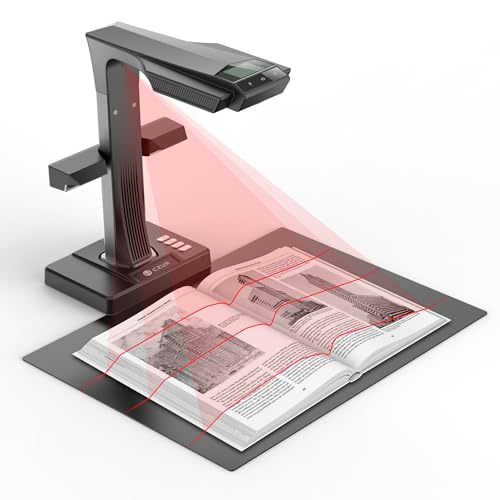
CZUR ET24 Pro Professional Book Scanner, 24MP Document Camera, 3rd Gen Auto-Flatten & Deskew Tech, A3 Document Scanner, 180+ Languages OCR, Support HDMI, for Windows/MacOS/Linux
Flattening Technology Upgraded: ET24 Pro computer scanner applies CZUR’s latest technology that can flatten the 3D curved surface...
As an affiliate, we earn on qualifying purchases.

VIISAN Large Format Book & Document Scanner, Capture Size A2/A3, 26MP USB Document Camera with Auto-Flatten, Fingerprint Removal Technologies, Multi-Language OCR, Compatible with Windows & macOS
COMPATIBILITY NOTICE: The bundled scanning software OfficeCam supports only x64 and x86 architectures on Windows PCs and macOS....
As an affiliate, we earn on qualifying purchases.