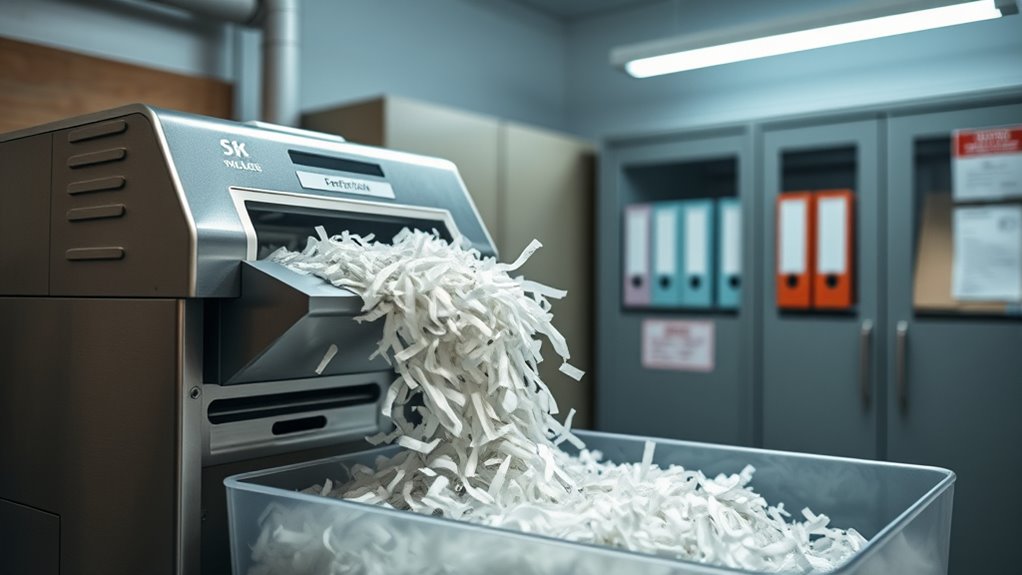

To establish effective document shredding protocols and disposition, you should create clear standards that assign responsibility, specify which documents to destroy, and set schedules based on document age or type. Use secure containers and reliable shredding methods, whether through industrial shredders or professional services. Keep detailed records of all activities to demonstrate compliance, and regularly train staff on procedures. Continuing with this guidance will help you implement a secure, compliant shredding process tailored to your organization.
Key Takeaways
- Establish clear confidentiality standards defining which documents require shredding and responsible personnel.
- Implement a consistent shredding schedule based on document age, type, or relevance to ensure timely disposal.
- Use secure collection containers and record-keeping practices to track shredding activities for compliance and audits.
- Train staff regularly on confidentiality protocols and proper handling of sensitive documents.
- Review and update shredding procedures periodically to align with legal requirements and organizational changes.
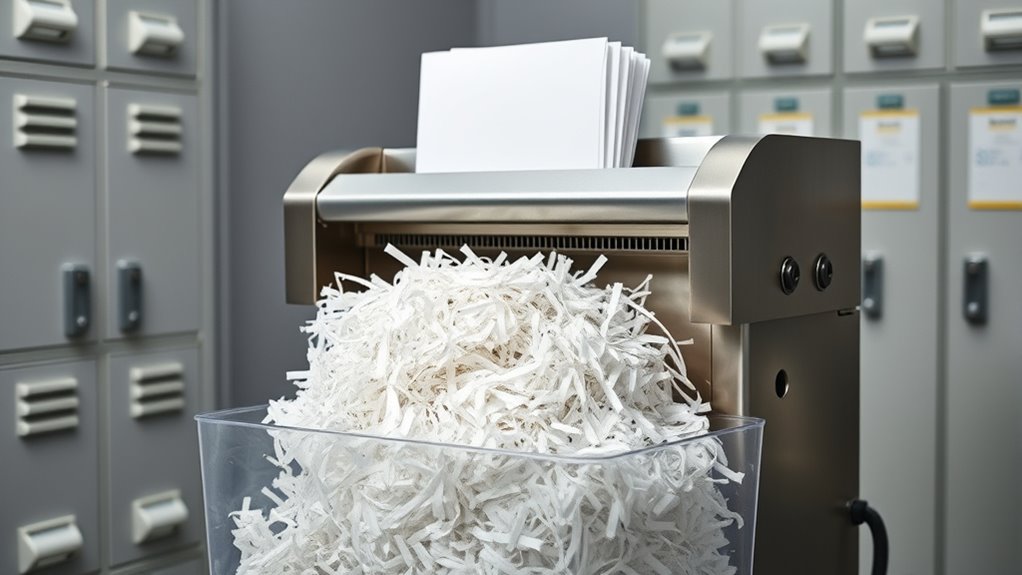
Implementing effective document shredding protocols is essential to protect sensitive information and maintain compliance with privacy regulations. When you establish clear procedures, you ensure that confidential data doesn’t fall into the wrong hands, reducing the risk of identity theft, data breaches, and legal penalties. To do this effectively, you need to develop confidentiality standards that specify who is responsible for shredding, what types of documents require destruction, and how to handle exceptions. These standards form the foundation of your shredding process and help cultivate a culture of security within your organization.
A critical component of these standards is creating and adhering to shredding schedules. These schedules dictate when documents are to be shredded, whether based on age, type, or relevance. For example, you might decide that financial records older than seven years or correspondence containing personal client information should be shredded on a quarterly basis. Consistency is key; sticking to these timelines prevents accumulation of outdated documents and minimizes the risk of accidental retention of sensitive data. Regular schedules also streamline the shredding process, making it easier for employees to know when and how they should dispose of documents, reducing confusion and ensuring compliance.
When implementing shredding schedules, consider the volume of documents generated and storage capacity. If your organization handles a high volume of sensitive paperwork, investing in industrial shredders or partnering with a professional shredding service might be necessary. These services often provide secure containers for document collection, ensuring that materials are protected until destruction. Also, keep in mind that maintaining detailed records of shredding activities—such as dates, types of documents destroyed, and responsible personnel—helps demonstrate compliance during audits and legal reviews. This documentation reinforces your confidentiality standards and shows that you’re proactively managing information security.
Training your staff on proper shredding procedures is equally important. Make sure everyone understands the confidentiality standards and the importance of sticking to shredding schedules. Provide clear instructions on how to handle different types of documents and emphasize the importance of not discarding sensitive information in regular trash bins. Regular refresher sessions help reinforce these practices and keep security top of mind.
Additionally, utilizing small appliances like desktop shredders can be an effective way for smaller organizations or departments to securely dispose of sensitive documents on-site, provided they meet security standards and are used properly. Finally, review and update your shredding protocols periodically. As privacy laws evolve and organizational needs change, your procedures should adapt accordingly. Regular audits of your shredding schedules and practices can identify gaps or inefficiencies, allowing you to strengthen your confidentiality standards and ensure ongoing compliance. By taking these steps, you create a secure environment where sensitive information is properly protected, and your organization stays aligned with best practices and legal requirements.

BONSEN 300-Sheet Auto Feed Paper Shredder, 60 Minutes Non-Stop Commercial Grade Heavy Duty Shredders for Office, 8.1 Gallon Micro Cut Document Shredder, P-4 Security Level,58dB Super Quiet (S3113)
Massive 300-Sheet Auto-Feed Capacity: Effortlessly shred huge stacks of up to 300 sheets automatically; Plus, use the manual…
As an affiliate, we earn on qualifying purchases.
As an affiliate, we earn on qualifying purchases.
Frequently Asked Questions
How Often Should My Business Update Its Shredding Protocols?
You should update your shredding protocols at least annually to keep up with evolving digital security threats and regulatory changes. Regular employee training ensures everyone understands new procedures, reducing risks of data breaches. Staying proactive helps protect sensitive information and maintains compliance. Review your protocols more frequently if your business experiences significant changes, such as new data types or digital security challenges, guaranteeing your shredding practices remain effective and current.
Are There Specific Certifications to Look for in Shredding Services?
You should look for shredding services with certifications that meet industry standards, like NAID AAA Certification, which shows they’re committed to high security. These certification standards guarantee they comply with legal and ethical compliance requirements, giving you peace of mind. Trust providers who transparently display their credentials, as it reflects their dedication to safeguarding your sensitive information and maintaining your business reputation.
What Are the Costs Associated With Secure Document Disposal?
The costs of secure document disposal vary based on volume, service type, and frequency. You should conduct a cost analysis to understand expenses, including shredding, transportation, and disposal fees. By managing these expenses carefully, you can optimize your budget and guarantee compliance. Regular reviews and comparisons help you control costs and choose the most cost-effective options, making expense management straightforward and efficient for your organization.
How Do I Verify if My Documents Were Properly Destroyed?
To verify your documents were properly destroyed, you should request destruction confirmation from your shredding service. Use verification methods like certificates of destruction or detailed reports that confirm the date and method of disposal. It’s also wise to conduct periodic audits or follow up with the service provider to ensure compliance. This proactive approach helps you confidently confirm your sensitive information has been securely and effectively destroyed.
Can Shredding Protocols Be Customized for Different Industries?
Yes, shredding protocols can be customized for different industries by considering industry-specific regulations and using specialized shredding technology. You should tailor your procedures to meet legal requirements like HIPAA for healthcare or GDPR for data privacy. Utilizing advanced shredding technology guarantees secure destruction of sensitive information, while customization helps address unique compliance needs. This way, you effectively protect your data and adhere to relevant standards across various sectors.

Rubbermaid Commercial Products Slim Jim Confidential Document Trash Can with Lid, 16-Gallon, Gray, Keyed Lock for Secure Disposable of Documents
SECURE DISPOSAL: rectangular disposal helps dispose confidential documents
As an affiliate, we earn on qualifying purchases.
As an affiliate, we earn on qualifying purchases.
Conclusion
By following these shredding protocols, you’re building a fortress around sensitive information, making it nearly impossible for unauthorized eyes to breach. Think of your document disposal process as tending a garden—you must regularly prune and clear out debris to keep everything healthy and secure. When you stay vigilant and consistent, you guarantee your information remains protected like a well-guarded treasure, giving you peace of mind and safeguarding your organization’s integrity every step of the way.
BONSEN 300-Sheet Auto Feed Paper Shredder, 60 Minutes Non-Stop Commercial Grade Heavy Duty Shredders for Office, 8.1 Gallon Micro Cut Document Shredder, P-4 Security Level,58dB Super Quiet (S3113)
Massive 300-Sheet Auto-Feed Capacity: Effortlessly shred huge stacks of up to 300 sheets automatically; Plus, use the manual…
As an affiliate, we earn on qualifying purchases.
As an affiliate, we earn on qualifying purchases.
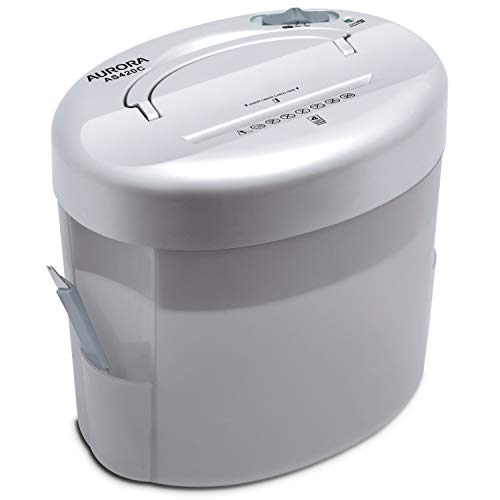
Aurora AS420C Desktop-Style Cross-Cut Paper Shredder, 4-Sheet Crosscut Desktop
Aurora Desktop Style Crosscut Paper Shredder with Basket
As an affiliate, we earn on qualifying purchases.
As an affiliate, we earn on qualifying purchases.