

To build a data breach response plan for document leaks, start by establishing clear protocols for identifying, containing, and investigating leaks promptly. Assign responsible team members for internal and external communication and make certain you have legal requirements, like notifying authorities and affected parties, integrated into your plan. Regularly update your procedures and train staff to recognize vulnerabilities early. Continuing will guide you through creating an extensive plan that minimizes damage and supports compliance.
Key Takeaways
- Develop a clear incident response plan outlining roles, communication protocols, and containment procedures specific to document leaks.
- Train employees regularly to recognize and prevent document leaks, emphasizing secure handling and reporting procedures.
- Establish designated personnel responsible for internal coordination, external notifications, and regulator compliance during a breach.
- Implement containment measures such as isolating affected systems and securing vulnerabilities to prevent further data exposure.
- Continuously review, test, and update your breach response plan to adapt to evolving threats and ensure compliance with legal standards.

Have you ever wondered what steps to take when a data breach occurs? When sensitive documents leak, your first priority is to respond swiftly and effectively. Building a data breach response plan is essential to minimize damage, protect your organization’s reputation, and ensure legal compliance. One of the most crucial elements of this plan is employee training. Well-trained staff can identify potential risks early, understand their roles during an incident, and follow protocols to contain the breach. Regular training sessions should cover topics like recognizing phishing attempts, managing sensitive information, and reporting suspicious activity immediately. The more knowledgeable your team is, the faster you can respond to an incident, reducing the likelihood of extended exposure.
Employee training is key to swift, effective data breach response and risk mitigation.
Legal compliance is equally vital. Laws governing data protection and privacy, such as GDPR or CCPA, require organizations to act promptly when a breach occurs. Failure to comply can lead to hefty fines, legal actions, and lasting damage to your reputation. Your response plan must include a clear understanding of applicable regulations, ensuring that you notify authorities and affected individuals within mandated timeframes. Having legal counsel involved early in the process helps you interpret complex requirements and avoid inadvertent violations. Additionally, documenting every step taken during the response demonstrates your commitment to compliance and can be invaluable if your organization faces legal scrutiny later.
A comprehensive response plan also involves establishing clear communication channels. Designate specific personnel responsible for internal and external notifications. Internal communication should keep your team informed and coordinated, preventing misinformation and confusion. External communication, on the other hand, must be transparent but carefully crafted to avoid legal pitfalls or unnecessary panic. Crafting pre-approved templates for public statements and notifications to regulators ensures consistency and speed when it matters most.
Furthermore, your plan should include detailed procedures for containing and eradicating the breach. This involves isolating affected systems, securing vulnerabilities, and conducting thorough investigations to understand how the leak occurred. Once containment is achieved, focus on recovery: restoring systems, implementing stronger security measures, and reviewing policies to prevent future incidents. Regular testing and updating of your response plan keep it relevant to evolving threats and legal standards. Incorporating knowledge about bad lemon juice storage and spoilage signs can serve as a metaphor for identifying vulnerabilities early and preventing larger leaks.
Ultimately, building a solid data breach response plan requires proactive preparation, ongoing training, and adherence to legal requirements. When a breach happens, your organization’s swift, organized response can make all the difference in mitigating impact and demonstrating your commitment to protecting sensitive information.

Pacific Arc Electrical Controls Template Guide, Standard Symbols Used in Machinery and Automation Circuits
COMPREHENSIVE TEMPLATE – Taking symbols from ANSI Y32.2, this template features all the major electrical symbols for contacts,…
As an affiliate, we earn on qualifying purchases.
As an affiliate, we earn on qualifying purchases.
Frequently Asked Questions
How Often Should a Data Breach Response Plan Be Reviewed?
You should review your data breach response plan at least annually and after any incident simulation. Regular plan updating frequency guarantees you’re prepared for evolving threats and lessons learned from drills or real leaks. Staying proactive helps you identify gaps, improve procedures, and keep your team ready to act swiftly. Consistent reviews, combined with incident simulations, strengthen your response strategy and minimize damage in case of actual document leaks.
Who Should Be Designated as the Breach Response Team Leader?
Think of your breach response team leader as the captain steering through stormy waters. They should be someone with strong communication skills, capable of managing breach communication and incident documentation efficiently. Typically, this person is a senior IT security professional or a designated incident response manager. Their role is to coordinate actions swiftly, ensuring accurate documentation and clear communication, so your organization can navigate the crisis with confidence and minimize damage.
How Can Employee Training Reduce Document Leak Risks?
You can reduce document leak risks through employee training by boosting awareness of security protocols. When you educate staff about best practices and potential threats, they become more vigilant and cautious with sensitive information. Regular training sessions help reinforce security habits, making it less likely for accidental leaks to occur. By fostering a culture of employee awareness, you create a strong defense against document leaks and improve your overall data security.
What Legal Considerations Are Involved in Notifying Affected Parties?
You must understand your legal obligations when notifying affected parties after a document leak. Timely notification is essential, often requiring you to act within specific timeframes set by laws like GDPR or HIPAA. Failing to adhere to these rules can result in hefty fines and reputational damage. Make sure you’re aware of all relevant regulations and act promptly to inform those impacted, demonstrating your commitment to transparency and compliance.
How to Prioritize Response Actions During a Breach Incident?
Prioritize promptly by pinpointing the problem, then proceeding with incident containment to prevent proliferation. Next, focus on factual, transparent stakeholder communication to mitigate misunderstanding. Act swiftly to assess the breach’s scope, isolate affected systems, and gather vital evidence. Your priority is to contain the crisis, communicate clearly, and coordinate efficiently, ensuring that response actions are deliberate, decisive, and directed toward minimizing damage and maintaining trust.

3PCS Victim of Company Phishing Test Email Sticker Funny Cybersecurity Meme for Office IT Workers Tech Teams Employee Training Humor Decal Die-Cut Waterproof for Laptop (Normal, 4in)
PERFECT FOR PERSONALIZING: Decorate your Car, Hard Hat, Helmet, Water Bottle, Tumbler, Cup, Laptop, Guitar, Cars, Bumper, Motorcycle,…
As an affiliate, we earn on qualifying purchases.
As an affiliate, we earn on qualifying purchases.
Conclusion
Now that you’ve crafted your data breach response plan, think of it as a sturdy lifeboat in a stormy sea. When document leaks threaten to sink your organization, your plan is your guiding star, leading you through chaos toward calmer waters. Stay vigilant, rehearse your responses, and keep your crew prepared. With this blueprint in hand, you’re ready to weather any storm, turning a potential catastrophe into a story of resilience and recovery.
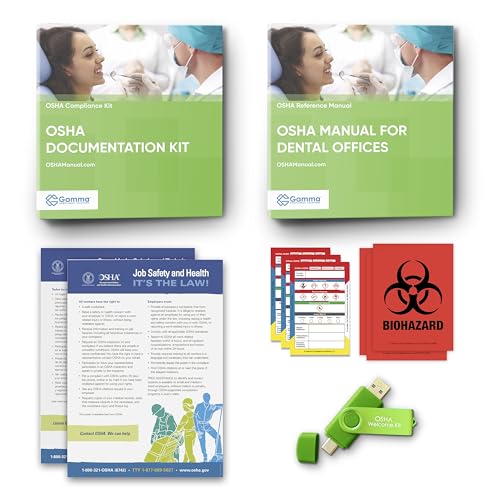
OSHA Package for Dental Offices Including Regulations and Standards Manual (hardcopy) + Safety Policies and Forms (hardcopy and USB) + Training Outline and Test + Resource USB + Posters + Labels
An OSHA compliance solution for all types of dental offices
As an affiliate, we earn on qualifying purchases.
As an affiliate, we earn on qualifying purchases.

Savor | The Folio™ Document Organizer 2025 Edition | Premium Life Binder Acid-Free Custom Dyed Cloth-Bound Accordion Organizer w/ 10 Expandable Pockets | File Folders for Home Organization (Black)
A beautiful home for your most important papers: This file organizer includes 13 expandable pockets (each up to…
As an affiliate, we earn on qualifying purchases.
As an affiliate, we earn on qualifying purchases.