
To document oral histories effectively, you should start by creating a comfortable setting for interviewees and use open-ended questions to encourage detailed stories. Record audio or video to capture tone and emotion, then transcribe the recordings accurately to preserve every nuance. Organize and digitize the files with clear metadata for easy access and guarantee they are stored securely. Continuing will help you uncover essential tips for preserving these valuable stories for the future.
Key Takeaways
- Use high-quality recording equipment and create a comfortable environment to capture clear, authentic stories.
- Take detailed notes during interviews to supplement audio and capture emotional nuances.
- Transcribe recordings accurately, including tone and pauses, to preserve the storyteller’s voice and intent.
- Organize digital files with consistent naming and metadata for easy retrieval and long-term preservation.
- Store recordings and transcriptions securely across multiple locations to ensure their longevity and accessibility.

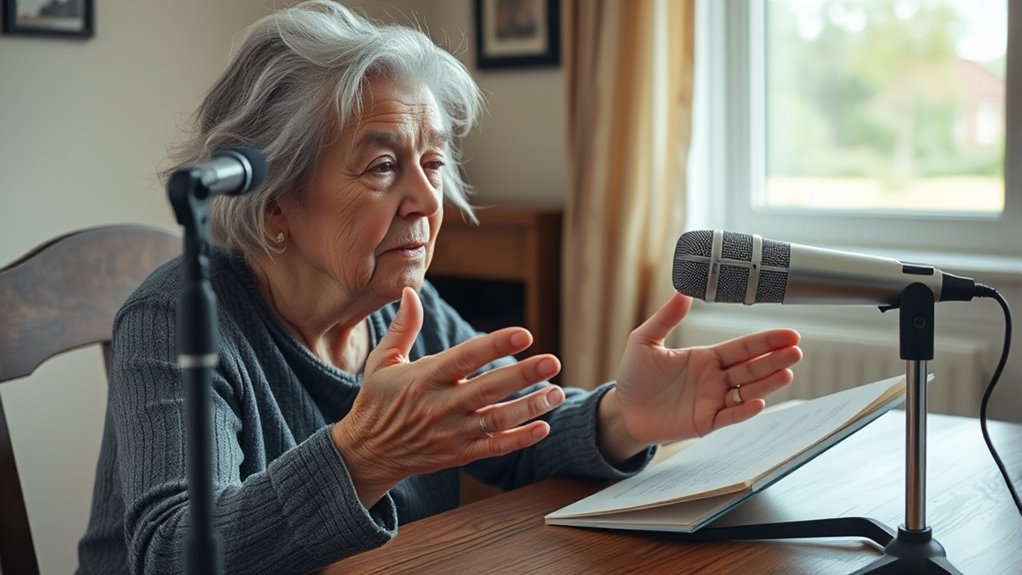
Oral history documentation plays a vital role in preserving personal stories and cultural memories that might otherwise be lost over time. When you start recording interviews, the way you approach interview techniques can make a significant difference in capturing authentic, meaningful stories. Your goal is to create a comfortable environment where interviewees feel at ease sharing their experiences. Use open-ended questions to encourage detailed responses and listen actively, showing genuine interest to draw out richer narratives. Maintaining eye contact, nodding, and providing verbal affirmations help foster trust and openness. Be patient and adaptable; sometimes, the most compelling stories emerge unexpectedly, and your role is to guide the conversation without leading it. As you progress, take detailed notes and ask follow-up questions to clarify or expand on important points. These techniques ensure that the interview remains engaging and that the storyteller’s voice is accurately represented, which is essential for the integrity of the oral history.
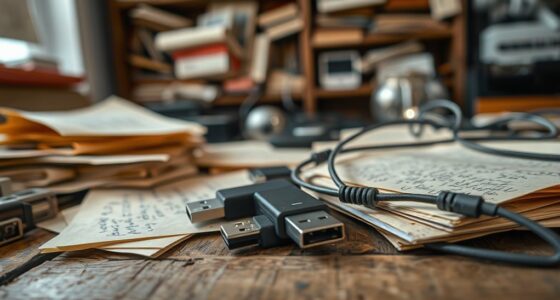
Once you’ve completed your recordings, the next step involves meticulous archival preservation. Digitizing your recordings is essential to safeguard them against physical degradation and make them accessible for future research. Properly organizing files with clear, consistent naming conventions and detailed metadata helps streamline retrieval and ensures that each story is easy to locate later. When transcribing stories, focus on accuracy—capture not just the words but also the tone, pauses, and emotional nuances that give depth to the narrative. Transcriptions serve as critical records, allowing others to study and appreciate the stories even if audio quality diminishes over time. It’s important to store digital files in multiple secure locations, such as external drives and cloud storage, to prevent loss. Additionally, consider sharing these stories with broader audiences through digital archives, which enhances their visibility and impact. By combining thoughtful interview techniques with diligent archival preservation, you guarantee that these stories remain accessible, authentic, and impactful for generations to come. Your careful efforts help safeguard irreplaceable cultural memories, giving voice to those who might otherwise go unheard, and understanding the importance of accurate transcription and preservation is crucial in maintaining the integrity of oral histories.
Top picks for "oral history documentation"
Open Amazon search results for this keyword.
As an affiliate, we earn on qualifying purchases.
Frequently Asked Questions
How Do I Choose Interview Subjects for Oral Histories?
You should select interview subjects through community engagement, ensuring you connect with diverse groups to capture a broad range of experiences. Consider diversity considerations by including people from different backgrounds, ages, and perspectives to enrich your oral histories. Reach out to local organizations, attend community events, and ask for recommendations. This approach helps create a well-rounded collection of stories that truly reflect the community’s multifaceted history.
What Equipment Is Best for Recording High-Quality Audio?
You should select a good-quality microphone like a condenser or dynamic microphone for clear audio. Consider your recording environment—preferably a quiet, echo-free space—to minimize background noise. Use a cardioid pattern microphone to focus on the speaker and reduce ambient sounds. Invest in a reliable audio interface or recorder, and use headphones to monitor sound quality. Proper microphone placement and a controlled environment make certain your recordings are crisp and professional.
How Can I Verify the Accuracy of Transcribed Stories?
A stitch in time saves nine, so verifying transcribed stories early is key. To guarantee transcription accuracy, you should use fact-checking methods like cross-referencing with original recordings and consulting the storyteller for clarification. Listening carefully and comparing the transcript with the audio helps catch errors. These fact-checking methods help preserve the integrity of the story, giving you confidence that your transcriptions truly reflect the speaker’s words.
What Ethical Considerations Should I Follow During Interviews?
During interviews, you should prioritize ethical considerations like obtaining informed consent and signing confidentiality agreements. Make sure participants understand how their stories will be used and that their privacy is protected. Respect their boundaries, avoid leading questions, and be transparent about the purpose of the interview. Always guarantee they feel comfortable sharing, and uphold confidentiality to maintain trust and integrity throughout the process.
How Do I Preserve Oral Histories for Long-Term Access?
To preserve oral histories for long-term access, you should focus on digital archiving, ensuring your recordings are stored securely and in multiple formats. Follow preservation standards like proper metadata and file formats to maintain quality and usability over time. Regularly update your storage media and create backups to prevent data loss. These steps help keep your oral histories accessible and protected for future generations.
Conclusion
As you finish recording and transcribing these stories, you become a bridge connecting past and future. The echoes of voices, once whispered in moments of intimacy, now shimmer on paper like delicate threads of history. Your careful work preserves their essence, allowing others to stroll through the vivid tapestry of memories. In this act of documentation, you breathe life into moments that might otherwise fade into silence, ensuring their echoes continue to resonate through time.