
To find government records for genealogical research, start by exploring online databases and government archives, which often house census data, military records, and essential records. You can search digitized records using basic details like names and dates, or request older records through formal channels. Cross-referencing different sources helps verify your findings and build an accurate family history. Keep exploring; there are many more ways to uncover your ancestors’ stories.
Key Takeaways
- Access government archives online through official national, state, or local archive websites and genealogical platforms.
- Search census records, military service files, and vital records using basic details like name and birth date.
- Request older or detailed records via formal application procedures when not available online.
- Cross-reference multiple records to verify information and build an accurate family history.
- Utilize search filters and indexes to efficiently locate records by location, date, or family members.
Are you searching for your family’s history and wondering where to find reliable records? Uncovering your ancestors’ stories often begins with exploring government archives, which hold a wealth of information. Two crucial sources are military archives and census data. Military archives can reveal details about your relatives’ service, including enlistment records, discharge papers, pension files, and medals awarded. These documents can shed light on your ancestor’s military career, the conflicts they fought in, and their experiences. Many military records are publicly accessible, either online or by visiting national or state archives, making it easier to piece together their stories.
Census data is another invaluable resource for genealogical research. Conducted every decade in many countries, census records provide snapshots of families at specific points in time. These documents contain details such as names, ages, birthplaces, occupations, and household relationships. They can help you track movements across regions, understand family size, and identify ancestors who may have been missed elsewhere. Census records also often include additional information like language, literacy, and property ownership, painting a broader picture of your family’s social history. Access to these records varies by country, but most are available through national archives, online genealogy platforms, or local historical societies.
When searching military archives, you might start with online databases that consolidate military records, such as the National Archives or military heritage websites. Some records require a formal request, especially if they’re older or more detailed. Be prepared to provide basic information about your ancestor, such as full name, date of birth, and service branch, to facilitate your search. Similarly, census data can be accessed through government websites or genealogical software. Many countries have digitized census records, making it possible to search by name, location, or date. Take advantage of indexes and search filters to narrow down your results quickly.
Using these records in tandem can strengthen your family history. For instance, census data might tell you where your ancestor lived at a certain time, while military archives can confirm their service details. Cross-referencing these sources helps verify information and fill gaps in your family’s story. Additionally, understanding the contrast ratio of your sources can help you assess the clarity and depth of the information obtained. Remember, patience and persistence are key. Not every record will be available immediately, but with systematic searching and a clear idea of what you’re looking for, you’ll gradually assemble a richer, more accurate family history. Government records are an essential foundation, offering tangible links to your ancestors’ lives and times.
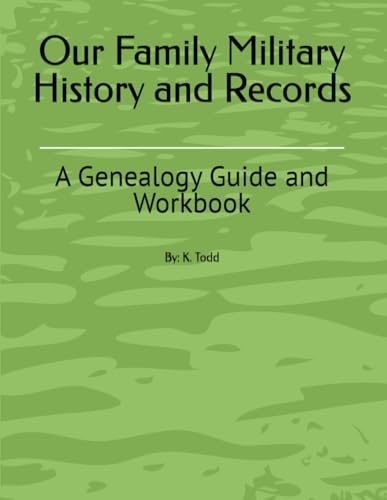
Our Family Military History and Records: A Genealogy Guide and Workbook
As an affiliate, we earn on qualifying purchases.
As an affiliate, we earn on qualifying purchases.
Frequently Asked Questions
How Can I Access Records From Foreign Governments?
You can access records from foreign governments by contacting international archives and exploring their online databases. Reach out to diplomatic missions or embassies for assistance, as they often help locate specific documents. Some countries have digital archives or require formal requests. Be prepared to provide details like names, dates, and places to streamline your search. Patience and persistence are key when steering through international records, but these resources can greatly enhance your genealogical research.
Are There Privacy Restrictions on Recent Government Records?
Yes, there are privacy restrictions on recent government records due to privacy laws and data restrictions. You might find that access is limited, especially for records containing sensitive personal information, to safeguard individuals’ privacy. Usually, these restrictions apply to records less than 50 or 75 years old, depending on the jurisdiction. Always check specific government policies and restrictions before requesting recent records to ensure compliance.
What Are the Costs Associated With Obtaining Records?
Like opening a treasure chest, accessing government records involves cost considerations you should know. You might face record fees that vary by location and record type, with some archives offering free access while others charge for detailed documents. Be prepared for possible charges for copies or certified versions. Budget accordingly, as these fees help maintain essential resources, making your genealogical journey both exciting and financially mindful.
How Long Does It Typically Take to Retrieve Records?
Record retrieval timelines vary depending on the agency and record type, but you can generally expect it to take from a few days to several weeks. Processing delays are common, especially during busy periods or if additional verification is required. To avoid surprises, check with the specific agency beforehand, and consider requesting records well in advance to ensure you get the information you need for your genealogical research.
Can I Access Government Records Online Without Visiting in Person?
Absolutely, you can access government records online, opening a treasure chest of information from the comfort of your home. Digital archives make it possible to explore records without stepping foot in an office. Just remember, privacy laws act like gatekeepers, protecting sensitive data. While many records are available online, some might still require a visit or special permissions, so always check the specific access rules before diving in.

US Census Records: Reading and Interpreting Records: The Definitive Quick-Reference Guide for Genealogists & Family Historians
As an affiliate, we earn on qualifying purchases.
As an affiliate, we earn on qualifying purchases.
Conclusion
Accessing government records is like opening a treasure chest filled with your ancestors’ stories. With patience and persistence, you’ll uncover valuable details that bring your family history to life. Remember, each record is a stepping stone on your genealogical journey—a bridge connecting you to your past. So explore with curiosity and confidence, knowing that every document you find helps piece together the beautiful mosaic of your heritage.
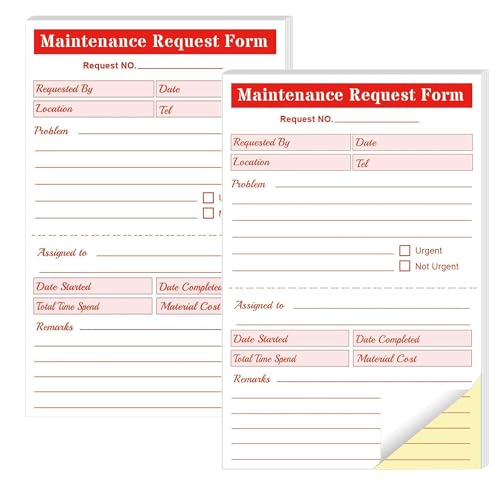
Maintenance Request Book Forms – 5.5 x 8.5 Inch 2 Part Carbonless Maintenance Repair Request Slips – Work Order Forms for Industrial Equipment 100 Pcs
Packaging includes: each package of maintenance requirements Book, 2 parts Carbonless, 50 sets of 100 pcs per book.
As an affiliate, we earn on qualifying purchases.
As an affiliate, we earn on qualifying purchases.

Family Tree Heritage Gold 16 – Genealogy Software – Includes Free Searches to FamilySearch, the World's Largest Genealogy Database – CD/PC
Works on Windows 11, 10, & 8.
As an affiliate, we earn on qualifying purchases.
As an affiliate, we earn on qualifying purchases.