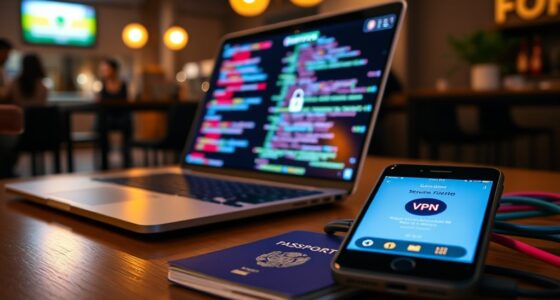
To travel smoothly, you need a valid passport with at least six months of remaining validity, any required visas, and copies of both. Carry health certificates or vaccination records if necessary, especially for entry requirements like Yellow Fever. Don’t forget travel insurance proof, accommodation details, and any minor’s documents like birth certificates or consent letters. Staying organized with these essentials helps prevent delays or entry issues—continue to explore for a full checklist of what to bring before your trip.
Key Takeaways
- Valid passport with at least six months’ remaining validity beyond travel dates.
- Appropriate visas or travel authorizations required for the destination country.
- International health certificates or vaccination proof, such as Yellow Fever, if applicable.
- Travel insurance documentation covering health emergencies and other risks.
- Copies of all essential documents, including passports, visas, health certificates, and travel itineraries.

When planning your next trip, having the right travel documents is crucial to guarantee a smooth journey. One of the first things you need to check is the travel visa requirements for your destination. Different countries have varying policies, some requiring visas for short visits, others only for longer stays or specific purposes like work or study. Make sure you understand whether you need to apply in advance or if you can get a visa on arrival. Failing to meet these requirements can cause delays or even prevent you from entering the country altogether. It’s also wise to verify the duration of your visa and the conditions attached, so you won’t face issues during your stay.
Ensure you understand visa requirements and application timelines to avoid travel delays and entry issues.
Alongside visas, international health certificates are increasingly important, especially in a post-pandemic world. Many countries now require proof of certain vaccinations or health status before allowing entry. For example, some destinations may ask for a Yellow Fever vaccination certificate if you’ve traveled from certain regions. International health certificates serve as official documentation that you’ve met these health requirements, ensuring you’re cleared for travel and entry. Keep in mind that health measures can change quickly, so check the latest guidelines from official sources or your healthcare provider before packing. Carrying both your vaccination records and any relevant test results can save you time and stress at borders or airports.
Beyond visas and health certificates, verify your passport is valid for at least six months beyond your planned return date. Many countries won’t let you enter if your passport is close to expiration. Also, make copies of your passport, visa pages, and health certificates—digital and physical copies stored separately can help if you lose the originals. It’s a good idea to have a travel insurance policy that covers health emergencies, so bring necessary documentation for your coverage. Additionally, some countries may require additional documentation such as travel itineraries or proof of accommodations to facilitate your entry process.
If you’re traveling with minors, additional documents such as birth certificates, consent letters, or custody papers may be required. Always check the specific entry requirements for your destination well in advance. Being prepared with all necessary travel documents, including visas, health certificates, and identification, ensures fewer surprises and a more relaxed journey. Double-check everything before heading to the airport to prevent last-minute hiccups. By staying informed and organized, you’ll set yourself up for a hassle-free trip and enjoy your travels from the moment you leave your home.

Epson Workforce ES-580W Wireless Color Duplex Tax Receipt & Desktop Document Scanner for PC and Mac with 100-sheet Auto Feeder (ADF), Intuitive 4.3' Touchscreen
EFFORTLESS WIRELESS SCANNING – With a 4.3" touchscreen and wireless connectivity, this high-speed scanner sends scans straight to...
As an affiliate, we earn on qualifying purchases.
Frequently Asked Questions
Do I Need Both a Visa and a Passport for International Travel?
Yes, you typically need both a visa and a passport for international travel. Visa requirements vary depending on your destination, so check if you need one beforehand. Your passport should be valid for at least six months beyond your travel dates to avoid issues. Make sure to verify both your visa and passport validity well in advance, so you’re fully prepared and avoid last-minute surprises.
How Early Should I Apply for My Travel Documents?
Plan proactively and apply for your travel documents at least 6 to 8 weeks before departure. This window allows ample time for passport renewal, processing delays, and verifying travel document validity. Rushing risks last-minute setbacks, so starting early keeps your trip on track. Check your passport’s expiration date and renew if needed, ensuring your travel documents are valid and ready, and you avoid any unnecessary delays or disruptions.
Are Digital Copies of Documents Acceptable for Travel?
Digital copies of documents are generally not accepted for travel, as authorities often require physical originals. However, for convenience, you can carry electronic travel authorization or scanned copies, but guarantee digital document security to prevent theft or loss. Always check your destination’s specific entry requirements, as some countries may accept electronic versions temporarily or for certain purposes, but having physical documents is safest and most reliable.
What Should I Do if My Documents Are Lost or Stolen Abroad?
Did you know that nearly 60% of travelers experience lost or stolen documents abroad? If that happens, act quickly by reporting the theft or loss to local authorities and your embassy. Follow lost document procedures carefully to get temporary travel documents. To prevent document theft, always keep copies separate from originals and stay vigilant. Being prepared helps you navigate these stressful moments smoothly and return home safely.
Are There Specific Documents Needed for Children Traveling Internationally?
When traveling internationally with children, you need to meet specific child travel requirements. Make sure to carry their valid passports and, if required, visas. Some countries also need a notarized letter of consent from non-traveling parents or guardians. Always check international travel documentation rules for your destination beforehand. These documents help prove your child’s identity and help facilitate smooth passage through customs and immigration, avoiding delays or issues during your trip.

Epson Workforce ES-400 II Color Duplex Desktop Document Scanner for PC and Mac with Auto Doc Feeder (ADF), Image Adjustment Tools
FAST DOCUMENT SCANNING – Speed through stacks with the 50-sheet Auto Document Feeder, perfect for office scanning and...
As an affiliate, we earn on qualifying purchases.
Conclusion
Now that you have your essential travel documents in order, you’re ready to set out on your adventure. Remember, even in this fast-paced digital age, some things—like your passport and boarding passes—are timeless. Don’t forget to double-check your list, so you don’t end up in a pickle like a stranded sailor in a storm. Stay prepared, stay safe, and let your journey be as smooth as a well-oiled steam engine. Bon voyage!

ScanSnap iX2500 Wireless or USB High-Speed Cloud Enabled Document, Photo & Receipt Scanner with Large 5" Touchscreen and 100 Page Auto Document Feeder for Mac or PC, Black
OUR MOST ADVANCED SCANSNAP. Large touchscreen, fast 45ppm double-sided scanning, 100-sheet document feeder, Wi-Fi and USB connectivity, automatic...
As an affiliate, we earn on qualifying purchases.

Epson WorkForce ES-50 Portable Sheet-Fed Document Scanner for PC and Mac
Fastest and lightest mobile single sheet fed document scanner in its class(1) small, portable scanner ideal for easy,...
As an affiliate, we earn on qualifying purchases.