

To stay compliant, you need to keep detailed records of your income, expenses, invoices, receipts, and bank statements, making sure everything is organized and up-to-date. Depending on your business type, you’ll file forms like Schedule C for sole proprietors or other specific documents for corporations and LLCs. Tracking these records and filing deadlines helps you avoid penalties and audits. Continue exploring to discover more tips on maintaining proper tax records and forms for your small business.
Key Takeaways
- Maintain organized records of income, expenses, and deductions using digital or physical filing systems.
- Know and file the required tax forms such as Schedule C for sole proprietors or corporate-specific forms.
- Track and meet all filing deadlines, including quarterly estimated taxes and annual returns, to avoid penalties.
- Ensure all documentation is accurate, complete, and readily accessible for audits and reviews.
- Regularly update and review records to support compliance, financial analysis, and strategic business planning.

Managing tax compliance can feel overwhelming for small business owners, but understanding your responsibilities is essential for avoiding penalties and maintaining good standing. One of the most critical aspects is proper tax recordkeeping. Keeping accurate, organized records ensures you have the necessary documentation to support your income, expenses, and deductions. These records include invoices, receipts, bank statements, payroll documents, and any other financial transactions related to your business. Staying diligent with tax recordkeeping not only helps you prepare your tax returns accurately but also provides peace of mind in case of an audit. It’s best to develop a system that allows easy access to these documents, whether through digital files or physical folders, and to update them regularly so they remain current and complete. Implementing organized recordkeeping systems can greatly simplify this process.
Filing deadlines are another vital component of tax compliance. Missing these deadlines can lead to penalties, interest charges, and even legal issues. You need to be aware of the specific due dates for various tax forms, such as quarterly estimated tax payments, annual income tax returns, and employment tax filings. Marking these deadlines on a calendar and setting reminders well in advance helps ensure you don’t overlook any critical dates. Many small business owners find it helpful to use accounting software that tracks filing deadlines and prompts them when submissions are due. Staying on top of these timelines means you won’t face the stress of last-minute filings or accidental oversights.
In addition to understanding when to file, you should also be familiar with the specific forms required for your business type. For example, sole proprietors typically file Schedule C with their personal tax return, while corporations and LLCs might need different forms. Knowing which forms to file, and ensuring they’re completed accurately, minimizes the risk of errors or delays that could trigger audits or penalties. When preparing your documents, double-check all information for accuracy, including your taxpayer identification number, income figures, and expense details.
Lastly, maintaining consistent records and adhering to filing deadlines isn’t just about avoiding penalties; it’s about building a solid foundation for your business’s financial health. Proper recordkeeping and timely filings give you a clear picture of your profitability, help with future planning, and make tax season less stressful. By staying organized and proactive, you keep your business compliant, reduce unnecessary costs, and safeguard your reputation with tax authorities. Ultimately, managing your tax recordkeeping and filing deadlines effectively empowers you to focus on growing your business confidently.

Income and Expense Log Book – Bookkeeping Record Book/Tracker/Small Business Ledger Book & Accounting, 8.5" x 10.5", Undated Record Book& Business Ledger, Durable Polypropylene Cover(Red)
Income And Expense Log Book: This Income and Expense Record Book(8.5" x 10.5") is a necessary item for…
As an affiliate, we earn on qualifying purchases.
As an affiliate, we earn on qualifying purchases.
Frequently Asked Questions
How Often Should Small Businesses Review Their Tax Records?
You should review your tax records at least quarterly to stay on top of financial planning and verify employee documentation is accurate. Regular checks help catch discrepancies early and prepare you for tax season. Keep an eye on receipts, invoices, and payroll records, updating your files as needed. Staying consistent with reviews minimizes errors, reduces stress, and keeps your small business compliant with tax regulations.
What Are Common Mistakes in Maintaining Tax Forms?
Common errors in maintaining tax forms often involve record accuracy and incomplete documentation. You might forget to double-check figures, leading to mistakes, or misfile receipts and invoices. Make certain you stay organized and review your records regularly to catch errors early. Avoid mixing personal and business expenses, and keep all supporting documents intact. Accurate records help prevent audits and ensure smooth tax filing, so paying close attention to detail is essential.
Which Records Are Essential for Audit Preparedness?
Think of your records like a sturdy lighthouse guiding your business through an audit storm. You need to keep detailed records of income, expenses, payroll, and tax returns. Maintain record retention by organizing these documents and creating digital backups for easy access and security. This way, you’re prepared for any audit, ensuring all essential records are available, accurate, and protected against loss or damage.
How Can Small Businesses Automate Record-Keeping Processes?
You can automate record-keeping by leveraging digital tools like accounting software and expense trackers. These tools often integrate with your bank accounts, automatically importing transactions. Use cloud storage to securely back up all your records, making them accessible from anywhere and easy to organize. Set up automatic data syncing and reminders for important deadlines to guarantee your records stay current and audit-ready without manual effort.
What Penalties Exist for Poor Record Management?
Poor record management hits like a ton of bricks, and the penalties can be severe. You risk penalty enforcement actions, fines, or even audits if you neglect record retention requirements. The IRS can impose hefty penalties for failing to keep accurate, timely records, making it vital you stay compliant. You must regularly maintain and organize your records to avoid costly consequences and guarantee smooth tax processes.

NeatReceipts Mobile Scanner and Digital Filing System – PC
Slim and lightweight, can run on USB from your computer
As an affiliate, we earn on qualifying purchases.
As an affiliate, we earn on qualifying purchases.
Conclusion
Staying on top of your tax forms and records is like tending a garden—you need regular care to see it flourish. By keeping organized, you avoid costly mistakes and ensure your business stays rooted in compliance. Remember, neglecting this duty can turn a small weed into a tangled thicket of trouble. So, stay diligent, and your business will grow strong and healthy, blossoming with peace of mind and success.
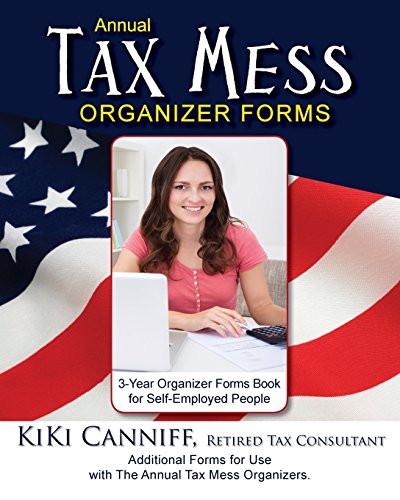
Annual Tax Mess Organizer 3-Year Forms Book For Self-Employed People: Additional Forms for Use with The Annual Tax Mess Organizers.
As an affiliate, we earn on qualifying purchases.
As an affiliate, we earn on qualifying purchases.
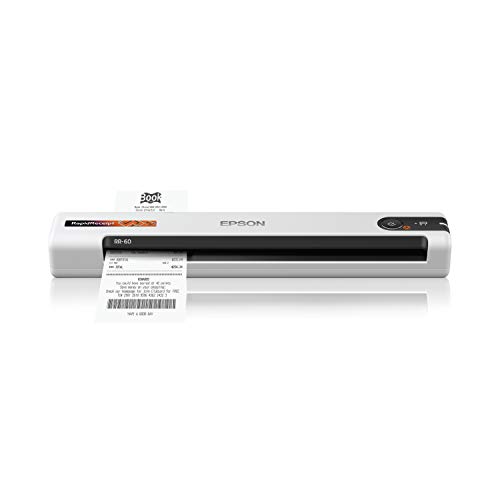
Epson RapidReceipt RR-60 Mobile Tax Receipt and Color Document Scanner with Complimentary Data Management Software for PC & Mac
ScanSmart AI PRO Technology — Intelligently convert and extract scanned information into smart digital data – making your…
As an affiliate, we earn on qualifying purchases.
As an affiliate, we earn on qualifying purchases.