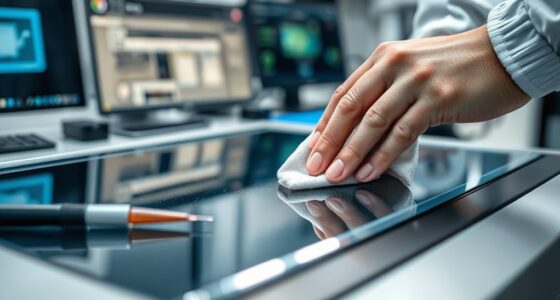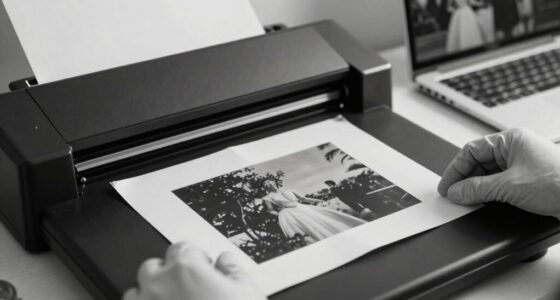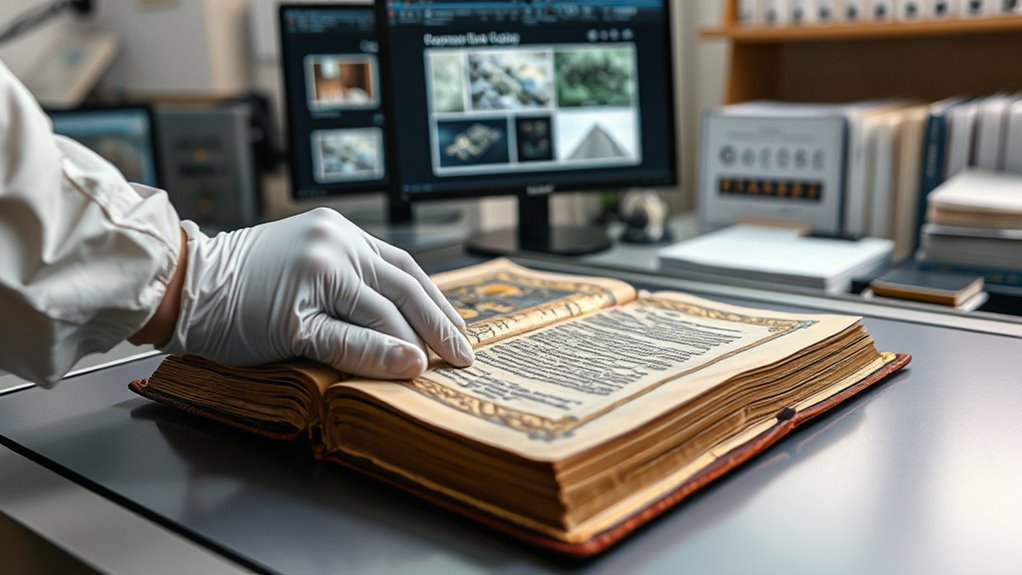

When digitizing cultural heritage materials, you should follow best practices for preservation, like proper handling, cleaning, and storage to prevent damage. Use high-resolution imaging and consistent techniques to capture fine details, while applying standardized metadata for easy access and context. Select durable digital formats and secure storage solutions to guarantee long-term preservation. By following these guidelines, you’ll create accessible, authentic digital collections that stand the test of time—continue to explore more tips and strategies to enhance your project.
Key Takeaways
- Use high-resolution imaging with proper lighting and stabilization for detailed, accurate digital reproductions.
- Follow appropriate handling and preservation techniques to protect fragile materials before and during digitization.
- Select suitable digital formats and metadata standards to ensure long-term accessibility and interoperability.
- Implement regular backups and secure storage solutions, including multiple copies in different locations.
- Maintain detailed documentation of each item’s origin, condition, and digitization process to enhance discoverability and context.
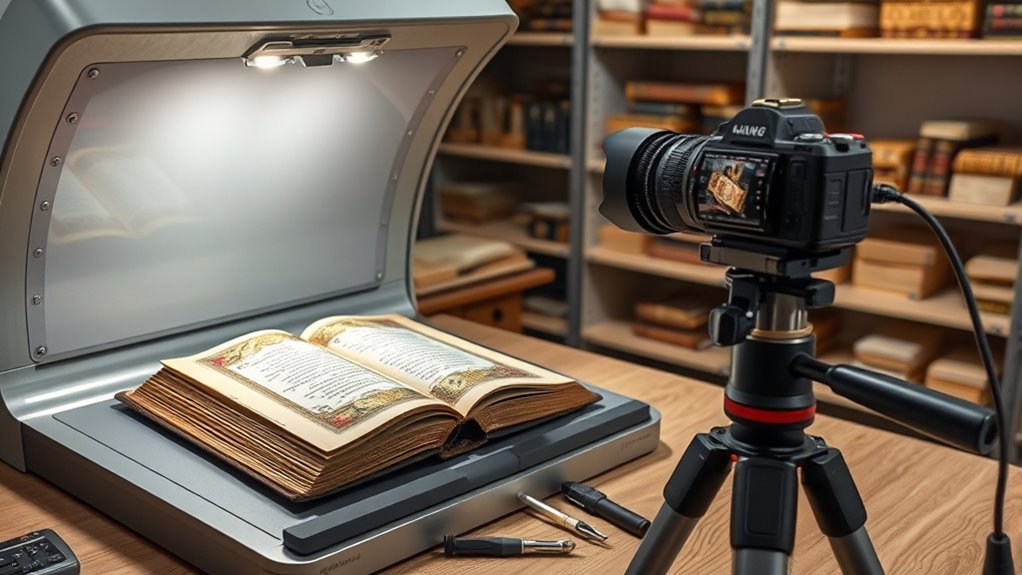
Digitizing cultural heritage materials is transforming how we preserve and access our collective history. When you undertake this process, it’s imperative to understand the significance of effective preservation techniques to guarantee that valuable artifacts, documents, and artworks are protected during and after digitization. Preservation techniques involve choosing the right handling procedures, cleaning methods, and storage conditions to prevent deterioration before digitizing. Proper preparation minimizes the risk of damage, maintaining the integrity of fragile items. Once prepared, you’ll focus on digital archiving, which is central to creating accessible, durable digital collections. Digital archiving involves selecting appropriate formats, metadata standards, and storage solutions to ensure that digital copies remain accessible, authentic, and unchanged over time. This step is essential because it influences how future generations will access and interpret the materials. Additionally, understanding the long-term stability of digital formats and storage media helps ensure that your digital collections remain usable and relevant for years to come.
As you move forward, you should prioritize high-resolution scanning or photography, which captures detailed images of the materials. The quality of these digital representations directly impacts their usefulness for research, education, and public engagement. Use equipment that can produce accurate color reproduction and fine detail, and adhere to best practices for lighting and stability. Keep in mind that consistency in your digitization process helps maintain a uniform collection, making it easier to organize and search later. Metadata plays a key role here; by documenting details like origin, creator, date, and condition, you make your digital collection more discoverable and meaningful. Incorporate standardized schemas such as Dublin Core or METS to facilitate interoperability across platforms and institutions.
Another important aspect is choosing the right digital storage and preservation infrastructure. Cloud storage, local servers, or institutional repositories each have advantages and limitations. You should consider factors like security, scalability, and long-term access when selecting your solution. Regularly backing up your digital files and maintaining multiple copies in different locations will safeguard against data loss. Additionally, keep abreast of evolving digital preservation practices and formats, updating your archive when necessary to prevent obsolescence. By applying sound preservation techniques and robust digital archiving principles, you guarantee that your digital collections serve as lasting, accessible representations of our cultural heritage. This proactive approach helps safeguard history for future generations, making cultural treasures available to a broader audience while maintaining their authenticity and integrity.
Top picks for "digitiz cultural heritage"
Open Amazon search results for this keyword.
As an affiliate, we earn on qualifying purchases.
Frequently Asked Questions
How Do I Choose the Best Digitization Equipment for Fragile Items?
You should prioritize equipment selection that’s gentle yet precise for fragile items, such as specialized scanners with adjustable settings and low-impact lighting. Handle techniques are equally crucial; use clean gloves and support objects carefully to prevent damage. Test equipment on similar materials first, and always follow best handling practices to guarantee their preservation. This approach helps you digitize delicate items effectively while minimizing risks of deterioration.
What Are the Legal Considerations When Digitizing Cultural Heritage Materials?
When digitizing cultural heritage materials, you need to guarantee copyright compliance and respect intellectual property rights. Make sure you have legal permission or that the materials are in the public domain before digitizing. You should also document licenses and ownership details to avoid infringement. Staying informed about relevant laws helps protect you from legal issues and ensures your digitization project adheres to all legal requirements.
How Can I Ensure Long-Term Digital Preservation of Scanned Materials?
To guarantee long-term digital preservation of scanned materials, you should implement robust digital storage solutions, such as redundant, secure servers or cloud services with regular backups. Additionally, focus on metadata management by documenting details about each file’s origin, format, and preservation actions. Regularly update formats and migrate data as technology evolves, and establish a preservation plan to monitor and maintain your digital collections over time.
What Are Common Challenges Faced During the Digitization Process?
You often face challenges like resource limitations, which can restrict your access to proper equipment or staff. Technical difficulties, such as software glitches or hardware failures, also disrupt your workflow and delay progress. These issues require careful planning and troubleshooting. To overcome them, you should prioritize essential resources and stay updated on technical solutions, ensuring your digitization process remains efficient and your digital collections stay preserved for the long term.
How Do I Assess the Quality and Accuracy of Digital Reproductions?
You should check the metadata accuracy to guarantee all information about the digital reproduction is correct and complete. Examine the image resolution to confirm it’s high enough for detailed viewing and preservation. Comparing the digital copy with the original helps verify accuracy. Additionally, use quality control tools or software to identify any distortions or errors. Regularly reviewing these aspects guarantees your digital reproductions maintain their integrity and usefulness.
Conclusion
By following these guidelines, you can effectively digitize cultural heritage materials and help safeguard history for future generations. Did you know that over 80% of cultural artifacts are at risk of deterioration? Digitization guarantees their longevity and accessibility. So, take action today—your efforts can make a lasting impact, allowing people worldwide to explore and learn from these invaluable treasures. Preserve the past, empower the future!