
In digitization projects, securing your data is essential to protect sensitive information from unauthorized access and breaches. You should use strong encryption protocols like TLS and AES to scramble data during transfer and storage. Implement access control systems to verify user identities and restrict permissions based on roles. Combining encryption with access controls creates a robust defense that safeguards privacy and guarantees compliance with regulations. Keep exploring for more tips on maintaining your data’s security effectively.
Key Takeaways
- Implement robust encryption protocols like TLS and AES to protect sensitive data during transfer and storage.
- Use strong access control systems with multi-factor authentication to verify user identities and restrict data access.
- Combine encryption and access controls to create a comprehensive security framework against data breaches.
- Regularly update security measures to counter evolving cyber threats and maintain data integrity.
- Ensure compliance with data privacy laws to safeguard personal information and support secure data sharing.

Have you ever wondered how your personal information stays safe in today’s digital world? It’s a question many of us ask, especially as more of our lives move online. Protecting sensitive data isn’t just about having a password; it involves complex systems working behind the scenes. Two critical components in securing data during digitization projects are encryption protocols and access control systems. These tools make sure your information remains confidential, even when stored or transmitted over the internet.
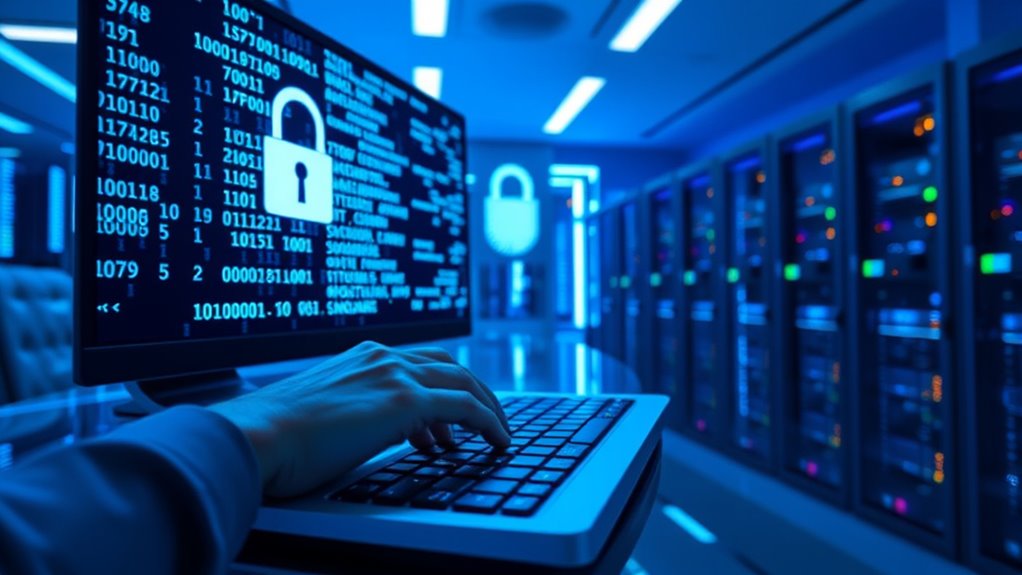
Encryption protocols are like digital lockboxes that scramble your data so that only authorized parties can access it. When you send an email or upload files to a cloud service, encryption transforms your readable information into an unreadable format for anyone who doesn’t have the key. This way, even if hackers intercept the data, they can’t decipher it. Modern encryption protocols, such as TLS (Transport Layer Security) and AES (Advanced Encryption Standard), are constantly evolving to stay ahead of cyber threats. They ensure that your sensitive details—like financial information or personal identifiers—are protected during transfer and storage. Without robust encryption, your data becomes vulnerable to interception and misuse.
Access control systems complement encryption by regulating who can view or modify your data. Think of access control as a digital security guard that verifies identities and grants permissions based on predefined rules. When you log into a secure system, access control verifies your identity through passwords, biometric scans, or multi-factor authentication. Once verified, you’re granted specific rights—whether that’s viewing, editing, or deleting information. This layered approach prevents unauthorized individuals from gaining entry, even if they manage to breach other defenses. Properly implemented access control systems also log activity, creating an audit trail that helps detect suspicious behavior early.
Together, encryption protocols and access control systems form a formidable defense against data breaches. They work hand-in-hand: encryption keeps data unreadable to outsiders, while access controls ensure only trusted users can access it. In digitization projects, where large amounts of data are handled and shared across different platforms, these security measures are essential. They not only protect your personal information but also help organizations maintain compliance with data privacy laws. By understanding and implementing these tools effectively, you contribute to a safer digital environment and ensure your data remains private and secure amid increasing cyber threats.

Emtec Click Secure B120 USB 3.2 Flash Drive 64 GB – Encryption software AES 256 – Read speed 100 MB/s – Black
Secure your data, Encrypt your files in one Click !
As an affiliate, we earn on qualifying purchases.
As an affiliate, we earn on qualifying purchases.
Frequently Asked Questions
How Can Small Businesses Ensure Data Security During Digitization?
You can guarantee data security during digitization by using cloud storage with strong encryption protocols and enabling mobile encryption on your devices. Regularly update your software, use complex passwords, and limit access to sensitive information. Implement multi-factor authentication and back up data securely. Educate your team on security best practices, and monitor your systems for unusual activity. These steps help protect your data from breaches and unauthorized access.
What Are the Costs Associated With Implementing Data Security Measures?
You’ll find that implementing data security measures involves costs like software, hardware, and ongoing maintenance, which require thorough cost analysis. These expenses are crucial for risk mitigation, helping you protect sensitive information and avoid costly data breaches. While initial investments can seem high, they’re essential for long-term security. Regular updates and staff training also add to the costs, but they substantially reduce your vulnerability and safeguard your business assets.
How Often Should Security Protocols Be Reviewed and Updated?
You should review and update your security protocols at least quarterly to stay ahead of evolving threats. Regular cybersecurity training helps your team recognize new risks, while updating encryption standards ensures data remains protected. By consistently evaluating and refining these measures, you reduce vulnerabilities, safeguard sensitive information, and maintain compliance. Don’t wait for a breach—make routine reviews and updates part of your cybersecurity strategy.
What Role Do Employees Play in Maintaining Data Security?
Think of employees as the frontline guards of your data fortress. Your role is essential in maintaining data security through employee awareness and diligent password management. You should stay informed about security best practices, recognize suspicious activity, and follow company policies. By doing so, you become a critical part of the security chain, stopping breaches before they happen and ensuring the integrity of your organization’s digital assets.
How Does Data Security Impact Customer Trust and Brand Reputation?
You can considerably boost customer trust and strengthen your brand reputation by prioritizing data security. When you implement measures like cloud encryption and breach recovery plans, customers feel confident their data is protected. This transparency demonstrates your commitment to security, fostering loyalty. If a breach occurs, swift breach recovery reassures customers you handle issues responsibly. Ultimately, robust data security builds trust, enhances your brand’s credibility, and encourages long-term customer relationships.

Yubico – YubiKey 5C NFC – Multi-Factor authentication (MFA) Security Key and passkey, Connect via USB-C or NFC, FIDO Certified – Protect Your Online Accounts
POWERFUL SECURITY KEY: The YubiKey 5C NFC is the most versatile physical passkey, protecting your digital life from…
As an affiliate, we earn on qualifying purchases.
As an affiliate, we earn on qualifying purchases.
Conclusion
In your digitization projects, prioritizing data security is like building a fortress around your valuable information. You must stay vigilant, using strong passwords, encryption, and regular updates to keep threats at bay. Remember, safeguarding data isn’t a one-time task but an ongoing effort. By doing so, you create a secure environment where your data can thrive, just like a well-guarded treasure chest protecting your most precious assets.

Seagate One Touch, 2TB, Password activated hardware encryption, portable external hard drive, portable external hard drive, PC, Notebook & Mac, USB 3.0, Black (STKY2000400)
This external drive includes a USB cable that works seamlessly with Windows, Mac, and Chromebook laptops (purchase adapter…
As an affiliate, we earn on qualifying purchases.
As an affiliate, we earn on qualifying purchases.

MENGQI-CONTROL 4 Doors Complete TCP/IP PIN Code RFID Card/Fob Access Control Systems with North American Standard Electric Strike for Latch Doors Keypad Reader 110V Power Supply APP Remote Open Door
It's ANSI strike lock,widely used in North American. Note that 1).It's installed within your door frame,need to Cut…
As an affiliate, we earn on qualifying purchases.
As an affiliate, we earn on qualifying purchases.