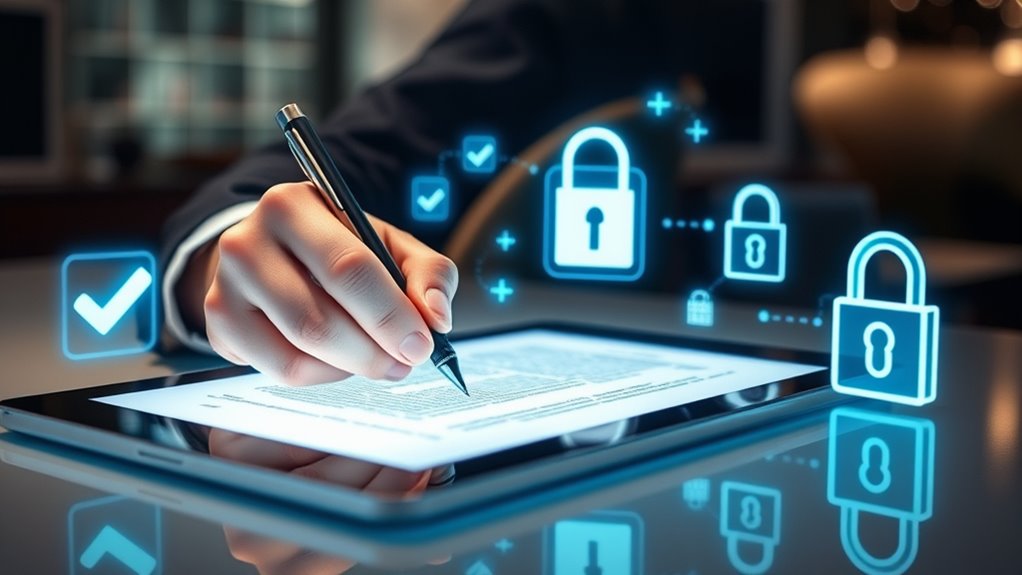

Digital signature workflows help you streamline approvals by enabling secure, fast, and verifiable electronic signings. They eliminate delays, reduce errors, and prevent miscommunications common with paper-based methods. Using encrypted authentication, digital certificates, and audit trails, you can verify signer identities and guarantee tamper-evident documents. These workflows integrate seamlessly with your existing tools and automate approval steps, boosting efficiency. Continue exploring how implementing these features can transform your approval processes.
Key Takeaways
- Automate approval processes to speed up signing, verification, and document management.
- Integrate digital signatures seamlessly into existing workflows and cloud platforms.
- Ensure security and compliance with encryption, digital certificates, and audit trails.
- Reduce manual errors and prevent document tampering with tamper-evident signatures.
- Enhance trust and enforce legal validity of digitally signed documents.

Digital signature workflows streamline the process of signing, verifying, and managing electronic documents, making them faster and more secure. When you adopt these workflows, you can eliminate the delays associated with traditional paper-based approvals. Instead of printing, signing, scanning, and emailing documents back and forth, you can complete approvals digitally in a fraction of the time. This efficiency not only saves you time but also reduces the risk of errors, lost documents, or miscommunications. The core of these workflows relies heavily on electronic verification, which confirms the identity of signers quickly and reliably. Electronic verification methods use encrypted authentication processes to guarantee that only authorized individuals can sign or access sensitive documents. This layer of security is vital, especially when handling confidential or legally binding information. Increased security options within digital signature workflows help protect your documents from tampering or unauthorized access. These protocols include encryption, digital certificates, and audit trails that record every action taken on a document. When you sign a document electronically, the system applies a unique digital signature that binds your identity to the document. This digital signature is tamper-evident, meaning any alteration after signing is immediately detectable. These security measures give you confidence that the document’s integrity remains intact throughout its lifecycle. Additionally, security protocols ensure compliance with industry standards and legal requirements, which is essential for maintaining trust and legal enforceability in your transactions. The process of integrating digital signature workflows into your existing systems is straightforward. Many platforms offer seamless integration with popular document management tools and cloud storage solutions, enabling you to trigger signing requests directly from your workflow. As you initiate a signing process, the system automatically verifies the signer’s identity through electronic verification methods, such as email validation or biometric authentication. Once verified, the signer can securely sign the document with a click, knowing that the process is protected by robust security protocols. This end-to-end automation reduces manual intervention and minimizes bottlenecks, allowing approvals to move swiftly and securely through your organization.

The 2027-2032 World Outlook for Digital Signature Software
As an affiliate, we earn on qualifying purchases.
As an affiliate, we earn on qualifying purchases.
Frequently Asked Questions
How Secure Are Digital Signature Workflows Against Cyber Threats?
Digital signature workflows are quite secure against cyber threats when you use strong encryption protocols and robust user authentication. Encryption guarantees your signatures and data stay confidential, while user authentication verifies identities, preventing unauthorized access. By implementing multi-factor authentication and regular security updates, you considerably reduce risks. Staying vigilant and choosing reputable digital signature providers helps protect your workflows, making them reliable and safe from cyber threats.
Can Digital Signatures Be Legally Binding Across Different Countries?
Yes, digital signatures can be legally binding across different countries thanks to international recognition and legal validity. You should verify the digital signature complies with relevant laws like eIDAS in Europe or the ESIGN Act in the US. By doing so, you guarantee your digital signatures are accepted globally, providing a secure and enforceable way to sign documents across borders. This helps streamline international transactions and legal processes.
What Are the Costs Involved in Implementing Digital Signature Systems?
Implementing digital signature systems involves various costs, including software licenses, hardware upgrades, and ongoing maintenance. For example, a mid-sized law firm might invest $10,000 initially for setup and training, with annual expenses of $2,000 for updates and support. Conducting a thorough cost analysis helps you understand these implementation expenses, ensuring you allocate budget wisely and maximize ROI for your digital transformation.
How Do Digital Signatures Affect Document Storage and Retrieval?
Digital signatures enhance document storage and retrieval by enabling encrypted archiving, which secures files against unauthorized access. They also incorporate access controls, ensuring only authorized individuals can view or modify documents. With digital signatures, you can quickly verify document authenticity and integrity, simplifying retrieval processes. This streamlined approach reduces manual checks, increases security, and guarantees compliance, making your document management more efficient and trustworthy.
Are There Industry-Specific Compliance Standards for Digital Signatures?
Yes, you should be aware of industry standards and compliance requirements for digital signatures. Different industries, like healthcare or finance, set strict standards to guarantee security and legal validity. These industry-specific compliance standards help you meet legal obligations and safeguard sensitive information. By following these standards, you ensure your digital signature processes are legitimate, reliable, and aligned with regulatory expectations, preventing potential penalties or legal issues.
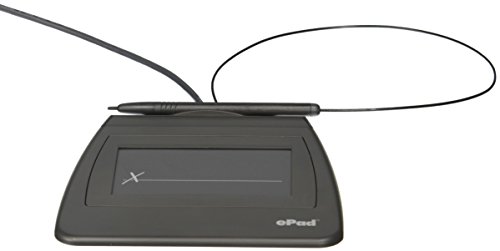
ePadlink VP9801 ePad-ink Electronic Signature Capture Pad, USB
EPADLINK VP9801 EPADLINK SIG PAD USB WITH
As an affiliate, we earn on qualifying purchases.
As an affiliate, we earn on qualifying purchases.
Conclusion
By embracing digital signature workflows, you’re not just streamlining approvals—you’re trusting in a future where efficiency and security go hand in hand. Some say technology can’t replace the personal touch, but history proves otherwise: innovation often accelerates progress. When you adopt these workflows, you’re not just saving time; you’re empowering your team to focus on what truly matters. Believe in the power of change—you might just discover a new world of possibilities.
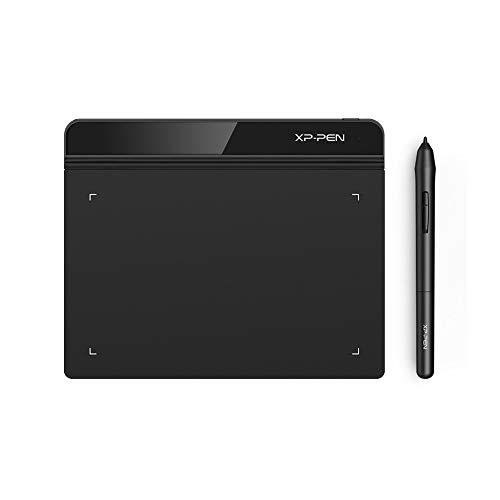
Drawing Tablet XPPen StarG640 Digital Graphic Tablet 6×4 Inch Art Tablet with Battery-Free Stylus Pen Tablet for Mac, Windows and Chromebook (Drawing/E-Learning/Remote-Working)
Battery-Free Pen: StarG640 drawing tablet is the perfect replacement for a traditional mouse! The XPPen advanced Battery-free PN01…
As an affiliate, we earn on qualifying purchases.
As an affiliate, we earn on qualifying purchases.

Notary Loan Signing Agent – Comprehensive Certification Course & Reference Manual: Including Over 50 Sample Loan Documents & Final Exam
As an affiliate, we earn on qualifying purchases.
As an affiliate, we earn on qualifying purchases.