
TL;DR
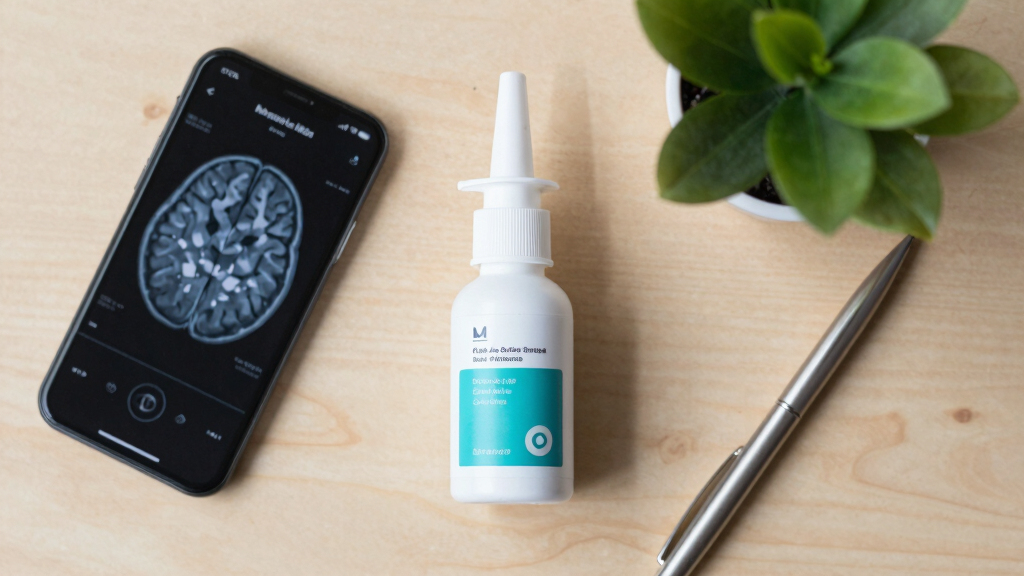
Scientists have developed a nasal spray shown in early trials to reverse brain aging markers. This could lead to new treatments for age-related cognitive decline, though further research is needed.
Scientists have developed a nasal spray that, in early clinical trials, has demonstrated the ability to temporarily reverse markers associated with brain aging. The development could pave the way for new treatments targeting age-related cognitive decline and neurodegenerative diseases, making it a significant breakthrough in neuroscience.

Prime made for students and young adults
- Fast, free delivery for dorm and study essentials
- Prime Video and Amazon Music included
- Member-only deals
This development is significant because it suggests a possible non-invasive method to temporarily reverse biological signs of brain aging. If further trials confirm safety and efficacy, it could lead to new therapies for conditions like Alzheimer’s disease and other neurodegenerative disorders. The ability to modulate brain aging processes could improve quality of life for older adults and reduce healthcare burdens associated with cognitive decline. However, experts caution that these are early-stage results, and long-term effects and practical applications remain to be established.
Popular right now

Vitamix 5200 Blender with 64 oz Container, Black

De'Longhi Classic Signature Espresso Machine with Adjustable Milk Frother

Hisense 43-Inch S5 DécoTV Series 4K UHD Smart Fire TV with Hi-QLED Color, Dolby Vision and Atmos (43S5QF, 2026 Model)
As an affiliate, we earn on qualifying purchases.
Background on Brain Aging and Current Treatments
Brain aging is characterized by cognitive decline, increased neuroinflammation, and reduced neuroplasticity, which contribute to diseases such as Alzheimer’s. Current treatments are limited, mostly focusing on managing symptoms rather than reversing underlying aging processes. Previous research has explored various interventions, including drugs and lifestyle changes, but none have demonstrated the ability to reverse biological markers of aging effectively. The recent development by the NeuroAging Institute builds on ongoing efforts to find non-invasive, targeted therapies to slow or reverse brain aging at a cellular level. The concept of using nasal delivery systems to target the brain directly is also an emerging area of interest, given its potential to bypass the blood-brain barrier.“Our nasal spray appears to temporarily reverse key markers of brain aging, opening new avenues for treating age-related cognitive decline.”
— Dr. Laura Chen, lead researcher at NeuroAging Institute
Long-Term Effects and Practical Applications Still Unknown
It is not yet clear whether the nasal spray will produce sustained or long-term improvements in brain health. The current trials only demonstrate temporary effects, and the safety and efficacy over extended periods are still under investigation. Researchers are also exploring whether repeated doses could lead to lasting benefits or potential risks, but definitive data is not yet available.Planned Larger-Scale Trials and Long-Term Studies
Researchers plan to conduct phase II trials involving a larger, more diverse participant pool to evaluate the safety, optimal dosing, and long-term effects of the nasal spray. These studies aim to determine whether repeated administration can produce sustained cognitive benefits and assess potential risks. If successful, the treatment could progress toward regulatory approval and eventual clinical use, but this process is expected to take several years. Meanwhile, scientists will continue exploring the underlying mechanisms to improve the formulation and understand the full potential of this approach.Key Questions
How does the nasal spray work to reverse brain aging?
The spray delivers a compound targeting cellular pathways involved in aging, such as reducing inflammation and promoting neuroplasticity, but the exact mechanism is still under investigation.
Are there any risks associated with this treatment?
So far, no serious adverse effects have been reported in early trials, but long-term safety remains unconfirmed. Further testing is needed to assess potential risks with repeated use.
When might this treatment become widely available?
If subsequent trials prove successful, it could take several years before regulatory approval and widespread clinical use, depending on trial outcomes and regulatory processes.
Can this spray cure neurodegenerative diseases?
Currently, the spray has only shown promise in temporarily reversing markers of brain aging, not curing diseases like Alzheimer’s. More research is needed to explore its therapeutic potential for such conditions.
Is this treatment suitable for all age groups?
Initial trials involved adults aged 60 and above. Its safety and effectiveness in younger populations or those with existing neurological conditions are still unknown.
Source: hn