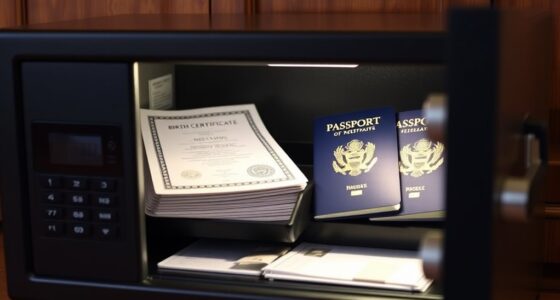
Choosing between long-term and short-term document storage depends on your needs for access, security, and preservation. Long-term storage is ideal for archived records, prioritizing durability and data protection, while short-term storage supports active files requiring quick access and frequent updates. Consider your document’s purpose, how often you’ll need it, and the legal or historical importance. Exploring these options further will help you find the best fit for your specific requirements.
Key Takeaways
- Long-term storage prioritizes data security, redundancy, and preservation for infrequently accessed but legally or historically important records.
- Short-term storage emphasizes quick access, ease of updates, and active collaboration for frequently used and ongoing documents.
- Consider storage duration, access frequency, and security needs to determine whether to use digital archives or cloud/local drives.
- Combining both methods ensures efficient management of active projects and long-term data preservation.
- Selecting the appropriate storage method depends on balancing accessibility, security, and retention requirements.

When deciding how to store your documents, it’s important to understand the differences between long-term and short-term storage options. This choice impacts how securely your data is preserved, how easily you can access it, and the costs involved. Long-term storage is ideal for preserving records that you don’t need frequently but must retain for years or decades. Digital archiving becomes essential here, allowing you to store vast amounts of data efficiently and securely. By utilizing digital archives, you can organize files systematically, making retrieval straightforward when needed. Additionally, data redundancy plays a critical role in long-term storage. By creating multiple copies across different locations or media types, you reduce the risk of losing valuable information due to hardware failure, corruption, or disasters. Data redundancy ensures your archived documents are resilient over time, providing peace of mind that your records will remain intact regardless of unforeseen issues. Furthermore, the choice of storage media, such as cloud-based solutions or physical drives, can influence the longevity and accessibility of your stored data, emphasizing the importance of selecting the right storage technology for your needs.
On the other hand, short-term storage focuses on current, active documents that you need quick access to and are likely to update or delete soon. This is where cloud storage or local drives are effective, offering fast retrieval and ease of use. While short-term storage doesn’t necessarily require complex data redundancy measures, it’s still wise to implement some level of backup to prevent accidental loss. You might use automatic backups or sync services to ensure your documents are protected without much effort. The key is balancing accessibility with security, so your team can work efficiently without risking data loss.
Choosing between these options depends on your specific needs. For ongoing projects, collaboration, and frequent updates, short-term storage solutions are preferable due to their flexibility and speed. Conversely, for legal compliance, historical records, or sensitive information, long-term digital archiving with robust data redundancy provides the stability and security needed. Remember, the goal is to tailor your storage approach to match how often you need to access your documents and how long they need to be preserved. Combining both strategies can often be the best solution—using short-term storage for daily operations and long-term digital archiving for historical or critical files.

Epson FastFoto FF-680W Wireless High-Speed Photo and Document Scanning System, Black
World’s Fastest Personal Photo Scanner (1) — scan thousands of photos as fast as 1 photo per second…
As an affiliate, we earn on qualifying purchases.
As an affiliate, we earn on qualifying purchases.
Frequently Asked Questions
How Do Storage Costs Compare Over Time?
Over time, storage costs vary based on your chosen method, with short-term storage generally being more expensive for ongoing use. You should focus on cost comparison to see which option fits your budget best. Regular expense tracking helps you identify when costs increase, especially if you’re storing large volumes. Long-term storage tends to be more cost-effective over time, but you need to balance accessibility needs with budget constraints to make the right choice.
What Are the Security Risks Associated With Each Method?
While both storage methods have their charms, you should be aware of potential security risks. Encryption vulnerabilities might expose your data if not properly managed, and physical security can be compromised if your storage devices aren’t well protected. Short-term storage often faces fewer risks but requires diligent monitoring, whereas long-term storage calls for robust encryption and strict access controls to keep your documents safe.
How Does Access Speed Differ Between Long-Term and Short-Term Storage?
You’ll notice that short-term storage offers faster data retrieval, so you can access your documents quickly when needed. Long-term storage prioritizes storage durability, which may slow down access times but guarantees data remains safe over time. If you need rapid access for daily tasks, short-term storage is ideal. For preserving important files long-term, long-term storage balances durability with acceptable retrieval speeds.
Can Storage Methods Be Combined Effectively?
Yes, you can effectively combine storage methods through hybrid solutions. By integrating long-term and short-term storage, you optimize access speed and data security. Storage integration allows you to keep frequently accessed files on faster, short-term storage while archiving less-used documents long-term. This approach improves efficiency, reduces costs, and guarantees seamless access across different storage types, making your data management more flexible and responsive to your needs.
What Are the Environmental Impacts of Different Storage Options?
You can picture data storage as a forest—some options are lush and recyclable, while others consume more energy like smog filling the air. Cloud storage often uses energy-intensive servers, impacting the environment, but offers high recyclability. Physical drives may be less energy-consuming but pose disposal challenges. Choose wisely; your decision influences energy consumption and recyclability, shaping the planet’s future.
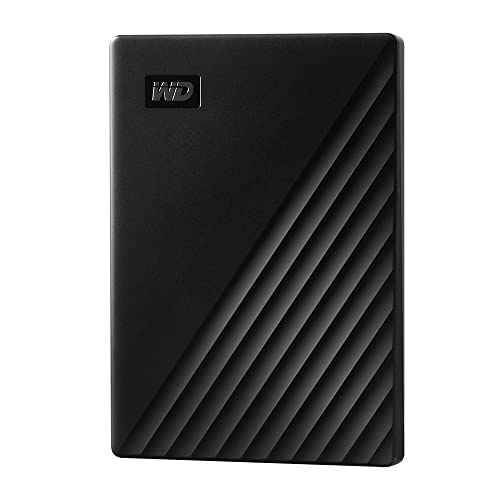
WD 2TB My Passport, Portable External Hard Drive, Black, backup software with defense against ransomware, and password protection, USB 3.1/USB 3.0 compatible – WDBYVG0020BBK-WESN
Slim durable design to help take your important files with you
As an affiliate, we earn on qualifying purchases.
As an affiliate, we earn on qualifying purchases.
Conclusion
Now that you understand the differences between long-term and short-term storage, the choice isn’t always clear-cut. Will you prioritize immediate access or long-lasting security? The decision could impact your data’s safety—and your peace of mind—more than you realize. So, as you weigh your options, remember: the right storage method might just be the key to opening a safer, more efficient future. Are you ready to make that vital choice?
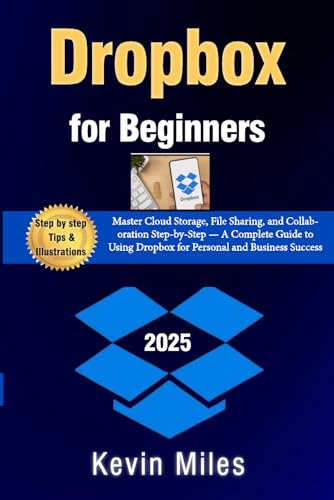
Dropbox for Beginners:: Master Cloud Storage, File Sharing, and Collaboration Step-by-Step — A Complete Guide to Using Dropbox for Personal and Business Success
As an affiliate, we earn on qualifying purchases.
As an affiliate, we earn on qualifying purchases.
document redundancy backup solutions
As an affiliate, we earn on qualifying purchases.
As an affiliate, we earn on qualifying purchases.