To safeguard your personal archives, mastering digital preservation is key. You need to transfer files to the cloud, ensuring they stay safe from hardware failures, theft, or accidental deletion. Proper metadata management helps keep your collection organized, making it easier to find and update over time. Developing this survival skill allows your memories and important documents to remain accessible and meaningful in a changing technological landscape. If you stay engaged, you’ll discover how to build a resilient digital legacy.
Key Takeaways
- Digital preservation ensures ongoing access to personal archives despite technological changes and potential data loss.
- Mastering metadata management helps organize and retrieve digital assets efficiently over time.
- Cloud migration protects archives from hardware failures, theft, and accidental deletion.
- Regular metadata updates and format checks maintain the relevance and usability of digital collections.
- Developing digital preservation skills safeguards your digital legacy for future generations.
In today’s digital age, preserving your personal archives isn’t just a good idea—it’s a vital survival skill. As your digital collection grows, you need reliable ways to guarantee your memories, documents, and data remain accessible over time. One essential strategy involves cloud migration, which allows you to transfer your files from local devices to secure, remote servers. Moving your data to the cloud offers increased protection against hardware failures, theft, or accidental deletion. It also makes your archives portable; you can access your stored content anytime, anywhere, provided you have an internet connection. But simply uploading files isn’t enough. To truly safeguard your digital assets, you must implement effective metadata management.
Metadata—information about your files—acts like a digital catalog, making it easier to search, organize, and retrieve specific items later. When you assign clear, consistent metadata, you reduce the risk of losing track of important files amidst a cluttered digital landscape. For example, tagging photos with dates, locations, and subjects helps you locate them quickly, even years down the line. Metadata management also enhances your ability to migrate data smoothly across different platforms or cloud services. When moving archives during cloud migration, well-structured metadata ensures that your files retain their context and meaning, preventing confusion or data loss.
Furthermore, good metadata practices support long-term preservation by making your archives more resilient to format obsolescence. As technology evolves, certain file types or storage methods might become outdated. If you’ve maintained thorough metadata, you can better identify the formats used and plan for necessary conversions or migrations. Cloud migration combined with diligent metadata management creates a robust preservation system that adapts to changing technology landscapes. Additionally, leveraging data-driven strategies helps optimize your preservation efforts by identifying potential vulnerabilities and prioritizing critical assets for protection.
You should also consider that managing metadata isn’t a one-time task; it’s an ongoing process. As your collection expands, updating and maintaining metadata ensures consistency and accuracy. This proactive approach helps prevent chaos when searching through years of stored data. It also simplifies future migrations or backups, minimizing the risk of losing valuable information.
In essence, mastering cloud migration and metadata management transforms your personal archives from a haphazard collection into an organized, resilient digital library. These skills empower you to safeguard your memories, documents, and digital footprint for decades to come. By taking control now, you guarantee that your digital legacy remains intact, accessible, and meaningful for years ahead.
cloud backup service for personal archives
As an affiliate, we earn on qualifying purchases.
As an affiliate, we earn on qualifying purchases.
Frequently Asked Questions
How Often Should I Back up My Personal Digital Archives?
You should back up your personal digital archives at least once a month to guarantee your data stays safe. Regular backups support cloud migration efforts, making it easier to access files from anywhere. Additionally, practicing digital forensics helps you verify the integrity of your backups, catching any corruption early. Frequent backups prevent data loss, giving you peace of mind knowing your memories and important files are secure and recoverable.
What Are the Best Tools for Digital Preservation at Home?
Oh, you thought tech would save your memories? Use cloud storage for easy access, but don’t forget to choose the right file formats like JPEG or PDF to keep files readable. For at-home preservation, external hard drives and NAS devices are reliable. Keep your software updated and regularly check your backups. That way, your priceless moments won’t vanish in the digital abyss—because even tech needs a backup plan.
How Can I Ensure My Digital Files Remain Accessible Long-Term?
To guarantee your digital files stay accessible long-term, use reliable cloud storage options for regular backups and easy access. Convert important files to stable, widely-used formats like PDF or JPEG to prevent obsolescence. Regularly check your stored files, update formats if necessary, and keep multiple copies in different locations. This proactive approach helps preserve your personal archives and ensures you can access them whenever needed.
What Are Common Digital Preservation Mistakes to Avoid?
Think of digital preservation like gardening—you need to tend carefully. Avoid using outdated file formats that can become unreadable over time, and neglecting proper metadata standards can leave your files like buried treasure with no map. Don’t forget to regularly back up your data, or you’ll risk losing precious memories. Staying proactive guarantees your digital archives stay accessible, vibrant, and meaningful for years to come.
How Do I Organize Large Volumes of Personal Digital Data Effectively?
To organize large volumes of personal digital data effectively, start with clear file categorization—group similar files together and create a logical folder structure. Use consistent naming conventions and add metadata management to make searching easier later. Regularly review and update your organization system, and consider using tagging or keywords to enhance retrieval. This approach keeps your digital archives manageable, accessible, and well-preserved over time.

The DAM Book
Used Book in Good Condition
As an affiliate, we earn on qualifying purchases.
As an affiliate, we earn on qualifying purchases.
Conclusion
By embracing digital preservation, you’re gently safeguarding your memories against life’s inevitable tides. Think of it as giving your personal archive a quiet, reliable guardian—ensuring your stories, photos, and moments remain accessible long after you might expect. With this skill, you’re not just preserving data; you’re nurturing a lasting legacy. So, take these small steps now, and let your digital treasures continue whispering your story to future generations.

WD 5TB My Passport, Portable External Hard Drive, Black, backup software with defense against ransomware, and password protection, USB 3.1/USB 3.0 compatible – WDBPKJ0050BBK-WESN
Slim durable design to help take your important files with you
As an affiliate, we earn on qualifying purchases.
As an affiliate, we earn on qualifying purchases.
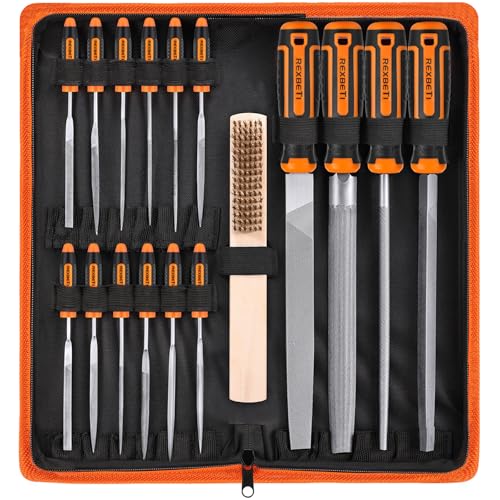
REXBETI 25Pcs Metal File Set, Premium Grade T12 Drop Forged Alloy Steel, Flat/Triangle/Half-round/Round Large File and 12pcs Needle Files with Carry Case, 6pcs Sandpaper, Brush, A Pair Working Gloves
all the 16 pieces file are made by T12 Drop Forged Alloy Steel, the long lasting teeth were…
As an affiliate, we earn on qualifying purchases.
As an affiliate, we earn on qualifying purchases.