TL;DR

Prime made for students and young adults
- Fast, free delivery for dorm and study essentials
- Prime Video and Amazon Music included
- Member-only deals
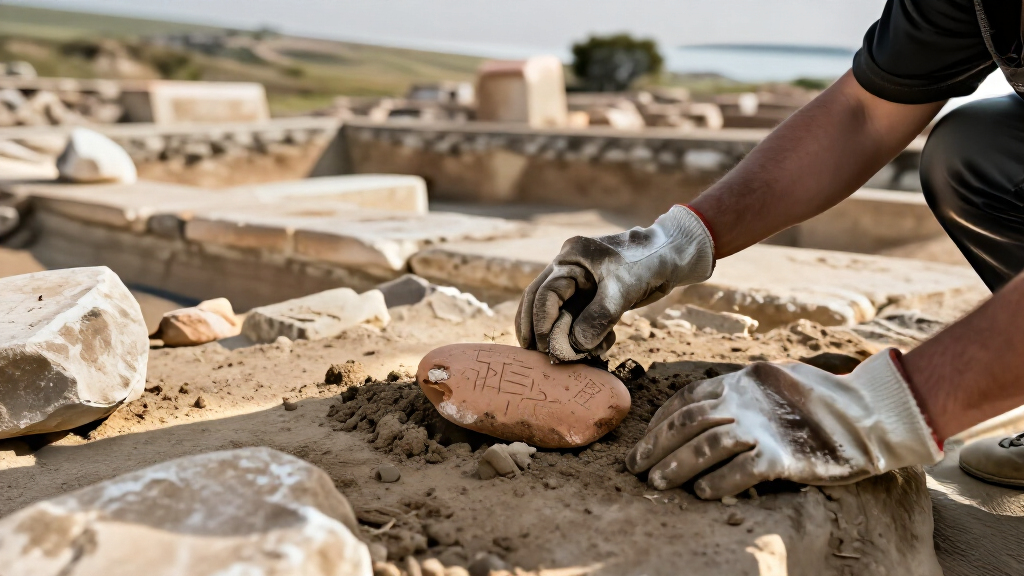
Archaeologists excavating the ancient Hittite city of Samuha in central Turkey recovered 131 cuneiform tablets and fragments this season, adding to 53 found the previous year. The texts, dated to King Tudhaliya II’s reign and written in Hittite and Hurrian, describe royal life, a child’s fatal illness, military requests and religious practices.
Archaeologists excavating the ancient Hittite city of Samuha in central Turkey have recovered 131 cuneiform tablets and fragments, adding a substantial group of records about royal life, military logistics and religious practice around 3,400 years ago. The texts are associated with the reign of King Tudhaliya II and are written in Hittite and Hurrian, according to the report on the excavation.
The tablets include records of a fever epidemic, correspondence about military supplies, rituals and prayers, and accounts of royal daily life. One tablet describes the illness and death of the king’s infant daughter and records a funerary ritual. The material also indicates that the health of royal children and the children of senior officials received sustained attention, in part because illness was understood through religious beliefs.
A letter from Hittite generals in western Anatolia asks the king for additional men, horses and chariots to confront enemy forces. The generals warn that their army could be destroyed without reinforcements and disclaim responsibility for a possible defeat if the requested support does not arrive. The report says the letter places the king at Samuha when it reached him, offering evidence of the city’s role as a royal center.
Another document records the journeys of bird diviners: their routes, stops and observations of birds. The collection also contains material on divination and religious ceremonies. The source describes the finds as the largest and most comprehensive archive of Hittite-language documents found in the 21st century; that characterization refers to the archive as reported, not to a separately stated tablet count comparison across all Hittite discoveries.
Records of Royal Rule and Ritual
The tablets provide evidence about how the Hittite court managed concerns far beyond formal decrees. The account of a royal child’s fever and funeral links family life, health and ritual, while the generals’ letter shows how a distant army communicated urgent supply needs to the king. Together, these records expose practical pressures on a state whose rulers had to respond to both personal and military crises.
The divination records add a different kind of evidence. A written itinerary of bird observers, including where they traveled and what they saw, may help researchers examine how omens were gathered and interpreted. The archive therefore offers material for studying religious administration and scribal practice, alongside the political and linguistic history of the Hittites.
As an affiliate, we earn on qualifying purchases.
Samuha as a Hittite Royal Center
Samuha was an ancient Hittite city in what is now Sivas province, central Turkey. The report describes it as a royal stronghold used by Tudhaliya II during periods of political and military upheaval. Its location in the records as the king’s residence when the generals’ appeal arrived helps connect the archive to the city’s administrative role.
The city also had religious importance. Its patron deity was Sauska, a goddess associated with love and war and identified in the source with the Hurrian form of Ishtar. The report notes that Tudhaliya’s successor, Suppiluliuma I, later used Samuha as a base for campaigns that expanded Hittite power. The newly reported texts add specific documents to that broader picture, including records of ceremonies and divination.
The previous excavation season recovered 53 tablets and fragments, compared with 131 in the season described in the report. These figures are season-by-season finds; the source does not provide a full inventory of the archive or a detailed account of how the objects were recovered and analyzed.
As an affiliate, we earn on qualifying purchases.
Questions About the Archive
The report does not identify the excavation team or provide a direct statement from the archaeologists responsible for the work. It also does not specify the exact excavation dates, the precise findspot of each tablet, or whether all 131 pieces have been fully translated and published. Those details matter because fragments may need to be joined, dated and interpreted before their contents can be treated as settled.
The reported accounts summarize the tablets’ contents, but the source does not reproduce full translations or explain which readings remain tentative. It is also unclear how many additional tablets may remain at Samuha, how the archive was organized in antiquity, and when the material will be made available for wider scholarly study.
ancient Mesopotamian religious artifacts
As an affiliate, we earn on qualifying purchases.
As an affiliate, we earn on qualifying purchases.
Translation and Study Ahead
Researchers will need to document, conserve and interpret the tablets, comparing the Hittite and Hurrian texts with other records from the period. Further publication of translations and excavation details could clarify the chronology of individual documents, the administrative setting of the archive and the practices described in the divination and ritual texts.
No next publication date or future excavation schedule is given in the source report. Until the research is presented in fuller detail, the most secure conclusion is that the finds substantially expand the known body of texts recovered from Samuha and offer new evidence about the court of Tudhaliya II.
As an affiliate, we earn on qualifying purchases.
Key Questions
Where were the tablets found?
They were found during excavations at ancient Samuha, in modern-day Sivas province in central Turkey.
How many tablets were recovered?
The excavation season described in the report recovered 131 tablets and fragments. The previous season produced 53, according to the same report.
What do the texts describe?
The reported subjects include a royal child’s fatal fever and funeral, requests for military reinforcements, bird divination, rituals, prayers and aspects of royal life.
Which languages are represented?
The texts are reported as written in Hittite and Hurrian.
Has the full archive been translated and published?
The source does not say whether all pieces have been fully translated or when a complete publication will appear. The extent of ongoing analysis remains unclear.
Source: hn
Halloween Picks
halloween
As an affiliate, we earn on qualifying purchases.