To meet work and study visa documentation requirements, you need to gather your passport, recent photographs, and completed application forms. You’ll also require proof of acceptance from an accredited institution or a formal job offer, along with financial support evidence like bank statements. Health insurance and medical reports are necessary as well. Make sure all documents meet specific country standards, and stay organized for any interviews or biometric appointments—more essential details follow if you continue.
Key Takeaways
- Review country-specific eligibility criteria and ensure documentation aligns with visa type (study or work).
- Prepare essential personal documents, including valid passport, photographs, and completed application forms.
- Gather supporting documents such as acceptance letters, job offers, proof of financial support, and ties to home country.
- Provide proof of health insurance, medical examinations, and financial capacity to support yourself during your stay.
- Organize all documents, including copies, and complete biometric data collection to strengthen your application.

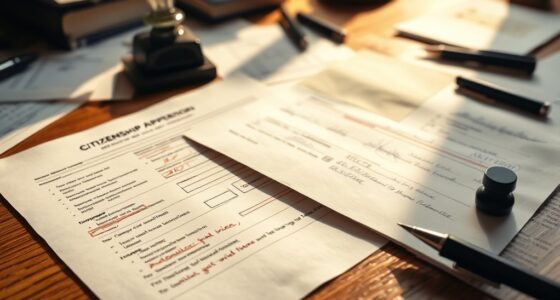
Applying for a work or study visa requires you to gather specific documents to prove your eligibility. Understanding the application process and the necessary paperwork is vital to guarantee your application moves smoothly. The first step involves reviewing the eligibility criteria set by the country’s immigration authorities. These criteria often include proof of acceptance at a recognized educational institution or a job offer from an authorized employer. Once you confirm you meet these requirements, you can begin collecting the required documents.
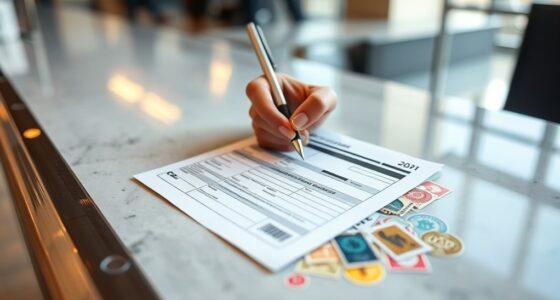
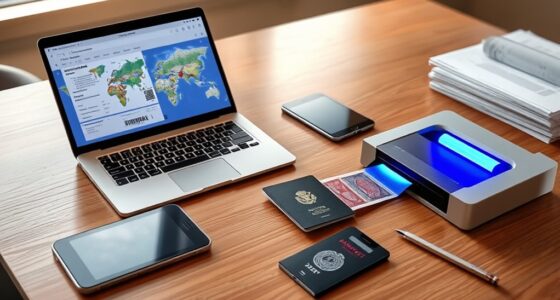
Your primary documents will typically include a valid passport, which must remain valid throughout your stay. Many countries also demand recent passport-sized photographs that meet specific standards. For the application process, you’ll need to fill out the relevant visa forms carefully, ensuring all information is accurate and complete. Missing or incorrect details can delay processing or lead to rejection. Some countries also require biometric data, such as fingerprints, which you may need to provide at a visa application center.
Ensure your passport is valid, complete all visa forms accurately, and prepare for biometric data collection to avoid delays.
Supporting documentation is equally important. For a study visa, you’ll need an acceptance letter from an accredited educational institution, along with proof of tuition payment or financial support to cover your stay. You may also need to demonstrate your ties to your home country, such as family or property ownership, to prove you intend to return after your studies. For a work visa, a formal job offer or contract from your employer is essential. Additional documents could include evidence of your professional qualifications, work experience, and sometimes a police clearance certificate to prove good conduct.
Financial proof plays a significant role in the application process. Countries want to ensure you can support yourself during your stay without resorting to illegal employment or public funds. Bank statements, scholarship awards, or sponsorship letters are common forms of proof. Some nations also require health insurance coverage that is valid in their country, along with medical examination reports to confirm you’re free from contagious diseases. Additionally, understanding vetted procedures and requirements can help you prepare a stronger application and avoid unnecessary delays.
Finally, prepare for an interview if required. During this process, you might be asked to provide additional documents or clarify details about your plans. Keep copies of all your paperwork organized and readily accessible to avoid delays. To conclude, understanding the application process and eligibility criteria helps you gather the right documents, increasing your chances of a successful visa application. Being thorough, accurate, and timely with your paperwork is the key to starting your work or study experience abroad smoothly.

Forvencer Passport Holder Cover with Safe Zipper Closure, Premium Passport Wallet for Travel, Cute RFID Blocking Card Case, Waterproof Travel Accessories for Women, Black
Zipper Closure for Extra Security: This passport holder features a secure zipper to keep your cards, money, and…
As an affiliate, we earn on qualifying purchases.
As an affiliate, we earn on qualifying purchases.
Frequently Asked Questions
How Long Does the Visa Approval Process Typically Take?
The visa processing times usually range from a few weeks to a couple of months, depending on the country and specific circumstances. You should regularly check your application follow-up procedures online or through the embassy to stay updated. To avoid delays, make certain all your documents are complete and accurate. Promptly respond to any requests for additional information, and be patient as your application moves through the review process.
Are Police Clearance Certificates Required for All Applicants?
Think of your visa application like a puzzle—every piece must fit perfectly. Police clearance certificates are often required for all applicants as part of background checks to guarantee safety and trustworthiness. You’ll need to get these documents notarized to verify their authenticity. Skipping this step can delay your approval, so don’t overlook the importance of including a valid police clearance certificate with your application to keep your process smooth.
Can I Submit Digital Copies of Documents?
Yes, you can submit digital document submission for your visa application. However, make sure to verify if notarized copies are required, as some documents might need to be officially notarized before submitting. Always confirm specific requirements with the embassy or consulate, since policies can vary. Using clear, legible digital copies helps ensure your application proceeds smoothly and avoids delays.
What Are the Common Reasons for Visa Application Rejection?
Think of your visa application as a garden; neglecting common weeds like incomplete paperwork, inconsistent info, or missed notarization can choke your chances. Rejections often stem from inadequate preparation, such as missing documents or unconvincing visa interview tips. Make certain your documents meet notarization requirements and answer interview questions confidently. By tending to these details carefully, you nurture your application’s growth, increasing your chances of a successful journey.
Is Health Insurance Mandatory for Visa Approval?
Yes, health insurance is mandatory for visa approval in many countries. You need to demonstrate that you have adequate health coverage to protect yourself during your stay. Providing proof of health insurance shows the authorities you’re prepared for medical expenses, which helps secure your visa. Failing to meet this requirement can lead to visa rejection, so make sure you obtain the necessary insurance before applying.

USA Visa Passport ID Photo Print 2 inch x 2 inch 2×2 Customized and Personalized 4 Pack (4 pcs)
You will get four photo prints two inches by two inches for USA passport, visa, citizenship application
As an affiliate, we earn on qualifying purchases.
As an affiliate, we earn on qualifying purchases.
Conclusion
In conclusion, ensuring you have all the required documentation is crucial for a successful visa application. While many believe that submitting paperwork is simply a formality, it’s worth considering that thorough preparation can significantly increase your chances. Some experts suggest that detailed documentation reflects genuine intent, potentially influencing visa officers’ decisions. So, double-check your documents, stay organized, and remember—what you submit might just be the key to opening your work or study opportunities abroad.

Fingerprint Reader Biometric Authentication – DigitalPersona URU4500 USB – Fingerprint Scanner – Original HID Brand
New replacement old Red Logo Digital persona URU4500, HID , USB reader. Original HID Brand
As an affiliate, we earn on qualifying purchases.
As an affiliate, we earn on qualifying purchases.
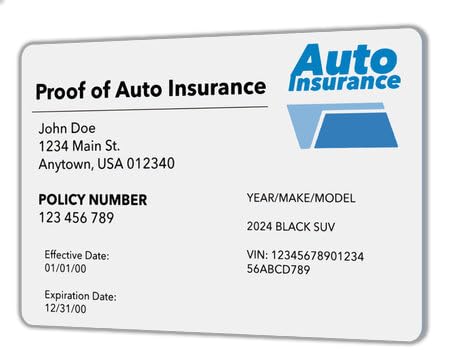
Custom Auto & Health Insurance Card Printing Service – Durable Plastic Credit Card-Sized ID Card
Professional Plastic Insurance Card Printing: Get your digital or paper insurance card printed on a durable, credit card-sized…
As an affiliate, we earn on qualifying purchases.
As an affiliate, we earn on qualifying purchases.