When applying for refugee or asylum status, it’s vital to have proper documentation that proves your identity and circumstances. Keep copies of passports, birth certificates, and official IDs, and organize them for easy access. If documents are missing, provide explanations or alternatives like affidavits. Follow the local legal procedures carefully and stay organized throughout the process. To learn essential tips on managing your documents effectively, continue exploring this important topic.
Key Takeaways
- Proper documentation (passports, birth certificates, IDs) is essential for proving identity and supporting asylum claims.
- Keep copies of all submitted documents and official correspondence for records and future reference.
- If documents are missing, provide clear explanations and gather alternative evidence, such as affidavits or witness statements.
- Follow local legal procedures, submit accurate forms, and meet deadlines to ensure smooth processing of your asylum application.
- During interviews, cooperate fully, provide truthful information, and be prepared to supply additional documents if requested.
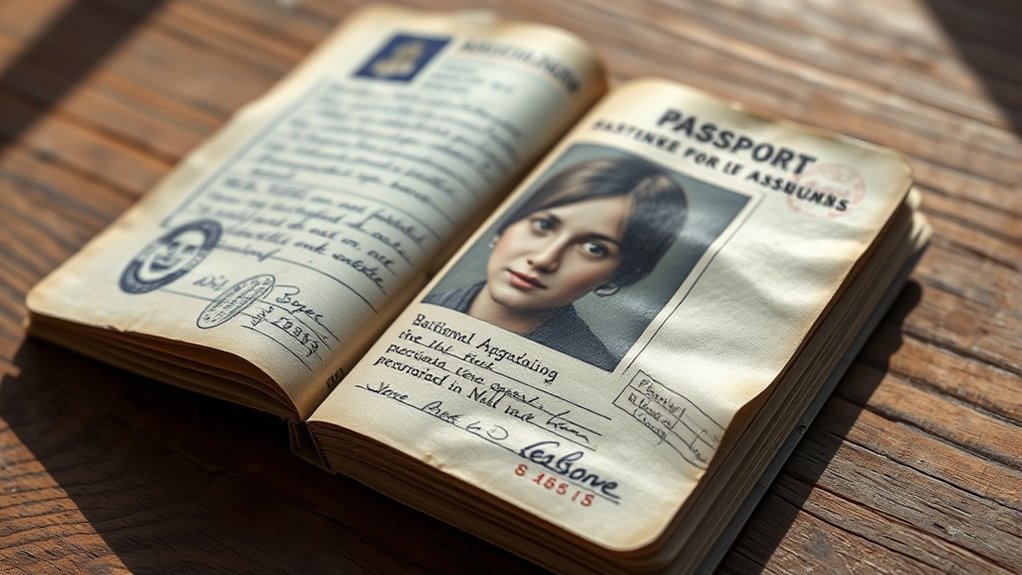
When seeking refuge or asylum, having proper documentation is *crucial* to protect your rights and facilitate your journey. Documentation procedures can seem overwhelming, but understanding what’s required helps *ensure* you meet legal compliance and avoid delays or rejection. The first step is to gather all necessary documents that prove your identity and circumstances. These might include passports, birth certificates, national IDs, or any documents issued by your home country. If you’ve lost these documents, you should explain the situation clearly and provide alternative evidence, such as affidavits or supporting statements from witnesses. It’s *vital* to keep copies of everything you submit, both for your records and to prevent future complications.
Proper documentation is essential for asylum; gather, keep copies, and stay organized to protect your rights and ensure smooth processing.
Legal compliance is a key aspect of the documentation process. Different countries have specific rules about what forms and evidence are acceptable for asylum or refugee status. You must carefully follow the prescribed procedures set by the authorities in the country where you’re seeking refuge. This typically involves submitting an application form, providing personal details, and explaining your reasons for seeking asylum. Be honest and thorough in your descriptions, as inconsistencies can raise questions and delay your case. Also, make sure you understand deadlines; missing them can mean losing your opportunity to apply.
In many instances, you may need to undergo interviews or background checks as part of the documentation procedures. During these stages, it’s *crucial* to present truthful information and cooperate fully. Authorities may request additional documents or clarification, so staying organized and responsive is important. If you’re unfamiliar with the legal requirements, consider seeking assistance from legal aid organizations or refugee support groups. They can guide you through the process and help *ensure* your documentation complies with local laws.
Maintaining proper documentation throughout your asylum process is *vital*. Keep copies of everything you submit or receive, including receipts, appointment notices, and correspondence with authorities. This not only helps you stay organized but also provides proof of your efforts to meet legal compliance. If your situation changes—such as acquiring new identification or traveling documents—update your records accordingly. Staying proactive about your documentation reduces the risk of complications and strengthens your case.
Ultimately, understanding the documentation procedures and adhering to legal compliance can make a significant difference in your asylum journey. Clear, accurate, and complete documentation helps authorities process your application efficiently, increasing your chances of securing protection. Being well-prepared and informed empowers you to navigate the often complex legal landscape, *ensuring* your rights are protected and your path to safety is smoother.

Forvencer Passport Holder Cover with Safe Zipper Closure, Premium Passport Wallet for Travel, Cute RFID Blocking Card Case, Waterproof Travel Accessories for Women, Black
Zipper Closure for Extra Security: This passport holder features a secure zipper to keep your cards, money, and…
As an affiliate, we earn on qualifying purchases.
As an affiliate, we earn on qualifying purchases.
Frequently Asked Questions
How Long Does the Asylum Documentation Process Typically Take?
The processing timeline for asylum documentation varies, typically taking several months to over a year. Factors influencing duration include your specific case details, the workload of immigration authorities, and whether additional evidence or interviews are needed. You can help speed up the process by submitting complete documentation promptly and responding quickly to requests. Stay patient, as delays are common, but understanding these factors can help you better anticipate your asylum documentation timeline.
Are There Any Costs Associated With Obtaining Refugee Documentation?
While there might be some cost considerations, many individuals find that fee exemptions or reduced fees are available for refugee documentation. You won’t necessarily have to worry about hefty charges, as programs often aim to make the process accessible. It’s best to check with the specific agency handling your case, as they can clarify any fee exemptions or financial assistance options, making the process more affordable for you.
Can I Travel Internationally With Refugee or Asylum Documents?
Yes, you can travel internationally with refugee or asylum documents, but travel restrictions may apply depending on your destination. Verify your documentation is valid and up-to-date, as invalid or expired papers could cause issues at borders. Always check the specific country’s entry requirements and consult with authorities or legal experts before planning your trip. Proper documentation and understanding travel restrictions help you avoid delays or denial when traveling internationally.
What Should I Do if My Documentation Is Lost or Stolen?
If your lost documents are stolen, you should report the theft to local authorities immediately and get a police report. Then, contact your embassy or consulate to inform them about the theft and request replacement documents. Make sure to gather any supporting evidence, like police reports or identification, to expedite the replacement process. Acting quickly helps protect your identity and guarantees you can continue your travel plans without interruption.
Are Minors Eligible to Apply for Refugee or Asylum Documentation Independently?
Minor eligibility varies, but generally, minors cannot apply independently for refugee or asylum documentation without an adult or guardian’s involvement. You should understand that most countries require a guardian’s consent and support during the application process. If you’re a minor seeking asylum, it’s important to work with legal experts or trusted adults who can help you navigate the process legally and effectively, ensuring your rights are protected.
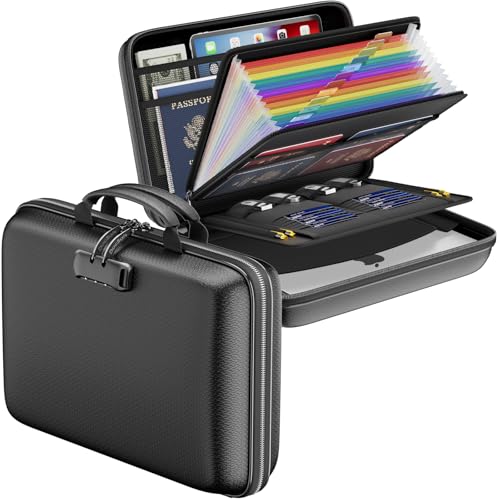
DocSafe Fireproof File Organizer with Lock, Hard-Shell Case Fireproof Document Box with 13 Pocket Accordion File Folder, Portable Home Office Travel Safe Storage for Important Documents Laptop Black
Ultimate Fireproof & Water-Resistant Protection: Keep your valuables safe with our DocSafe Hard-Shell fireproof file organizer. It is…
As an affiliate, we earn on qualifying purchases.
As an affiliate, we earn on qualifying purchases.
Conclusion
Getting your refugee or asylum documentation is a vital step toward stability and safety. It guarantees you can access essential services and protections in your new country. Are you ready to take the next step toward securing your future? Don’t wait—understanding the process now can make all the difference. Stay informed, stay prepared, and remember, your journey to safety begins with knowing your rights and options.

Bankers Box 12 Pack Standard Duty File Storage Boxes, Standard Assembly, Removable Lid, Letter/Legal (0071301)
Reliable Storage for Everyday Use: These cardboard file boxes with lids are perfect for everyday storage – ideal…
As an affiliate, we earn on qualifying purchases.
As an affiliate, we earn on qualifying purchases.

Affidavit Forms Book: 60 Ready-to-Use Affidavit Templates, Professionally Crafted for Legal Declarations, Notarization, and State-Specific Compliance.
As an affiliate, we earn on qualifying purchases.
As an affiliate, we earn on qualifying purchases.