To protect your documents from prying eyes at home, use secure physical storage like lockable cabinets or safes, and keep sensitive items out of plain sight. Develop habits such as locking screens when not in use and regularly reviewing what’s visible or accessible. Be cautious about where you leave important papers and digital files, encrypt sensitive data, and maintain a routine of vigilant privacy practices. Continuing to explore these strategies can help you keep your personal information safe.
Key Takeaways
- Store important documents in lockable safes or hidden compartments out of plain sight.
- Keep sensitive papers in lockable filing cabinets and avoid leaving them on visible surfaces.
- Establish routines to secure documents immediately after use, reducing accidental exposure.
- Use discreet storage containers or false-bottom drawers to hide valuable or confidential items.
- Maintain a clutter-free environment to prevent prying eyes from accessing or discovering sensitive documents.

Have you ever wondered how to keep your personal space secure in a busy household? Protecting your documents from prying eyes requires a combination of strategies, especially with the increasing importance of digital security and physical concealment. In today’s interconnected world, it’s easy for someone to access sensitive information if you’re not careful. Whether it’s digital files stored on your devices or physical papers lying around, taking proactive steps can help maintain your privacy.
Start by prioritizing digital security. Use strong, unique passwords for all your accounts and enable two-factor authentication whenever possible. Regularly update your software to patch security vulnerabilities, and consider encrypting sensitive files on your computer or cloud storage. Installing reliable antivirus and anti-malware programs adds an extra layer of protection against cyber threats. Remember, hackers aren’t just after your online banking details—they can also access personal information stored on your devices if they aren’t secure. Using secure Wi-Fi networks and avoiding public networks for sensitive activities also reduces the risk of digital intrusion.
Prioritize digital security with strong passwords, two-factor authentication, and regular software updates to protect your personal information.
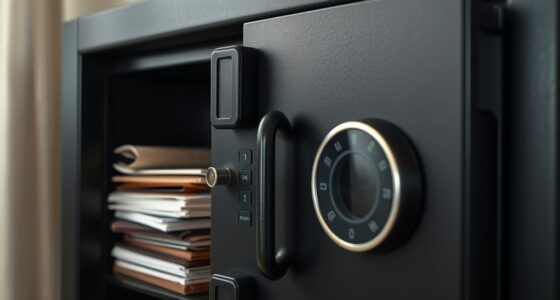
Physical concealment is equally essential. Keep important documents out of plain sight—don’t leave bills, personal letters, or financial statements on your desk or in easily accessible drawers. Use lockable filing cabinets or safes for storing paper documents that contain personal or financial information. Consider hiding or disguising your most sensitive papers in less obvious places, such as a false bottom drawer or a hidden compartment. Be mindful of where you keep your valuables; a hidden safe or a discreet container can prevent accidental discovery by visitors or even household members who shouldn’t have access.
In addition to secure storage, be cautious about what you display openly. Avoid leaving sensitive documents on countertops or in open folders. Digitally, regularly delete or securely archive files you no longer need immediate access to, reducing the risk of accidental exposure. When you’re not using your devices, lock screens and log out of accounts to prevent unauthorized access. If you have roommates or family members, establish boundaries about privacy and storage, making sure everyone understands the importance of respecting each other’s personal space and confidential information. Incorporating physical and digital security measures like secure document storage can greatly enhance your overall privacy.
Maintaining privacy at home isn’t just about one method but a thorough approach combining digital security practices with physical concealment techniques. By staying vigilant and consistently applying these measures, you create a safer environment for your personal and financial information. Protecting your documents is about more than just hiding papers—it’s about establishing habits that keep prying eyes away and your private life secure.

ENGPOW File Box with Lock,Fireproof Document Box with Zipper&Pockets,Collapsible File Organizer Filing Storage Cabinet with Handle,Portable Home Office Safe for Hanging Letter/Legal Folder,Black
Fireproof and water-resistant: Fireproof lock box is made of double layered non-itchy silicone coated fiberglass which stands up…
As an affiliate, we earn on qualifying purchases.
As an affiliate, we earn on qualifying purchases.
Frequently Asked Questions
How Often Should I Review My Home Privacy Measures?
You should review your home privacy measures at least twice a year to stay ahead of potential risks. Regular security routines help you identify vulnerabilities, while privacy audits ensure your document protection remains effective. By periodically checking your practices, you can update locks, storage, and digital security, keeping prying eyes away. Staying proactive is key to maintaining your privacy and safeguarding sensitive information in your home environment.
What Are the Best Hidden Storage Options for Sensitive Documents?
If you’re looking to keep sensitive documents under wraps, consider using hidden safes or discreet containers. These options blend seamlessly into your home decor, making them less obvious. You might hide a safe behind a false wall, inside a hollowed-out book, or within a piece of furniture. Discreet containers like lockable boxes or concealed drawers offer peace of mind, ensuring prying eyes won’t stumble upon your most valuable secrets.
Can Digital Document Security Methods Enhance Physical Privacy?
Yes, digital document security methods can enhance your physical privacy. You should use digital encryption to scramble sensitive files, making them unreadable without the right key. Additionally, password protection adds an extra layer of security, preventing unauthorized access. By combining these methods, you guarantee that even if someone physically finds your devices or documents, they won’t be able to open or read your private information.
How Do I Prevent Accidental Privacy Breaches With Visitors?
To prevent accidental privacy breaches with visitors, you should maintain visitor awareness and establish clear guest protocols. Always inform guests about sensitive documents or areas, and encourage them to respect your privacy. Use discreet signage or locked cabinets to keep important papers out of sight. Additionally, politely remind visitors to avoid handling or viewing private items, creating a respectful environment that safeguards your personal information without awkwardness.
Are There Legal Considerations for Hiding or Securing Personal Documents?
You don’t need to worry about legal issues when securing your personal documents, as long as you follow privacy regulations and keep sensitive information private. It’s important to guarantee your methods comply with any applicable laws, especially if you handle confidential data related to work or finances. By securely locking or hiding documents, you protect your privacy and stay within legal boundaries, avoiding potential legal complications.
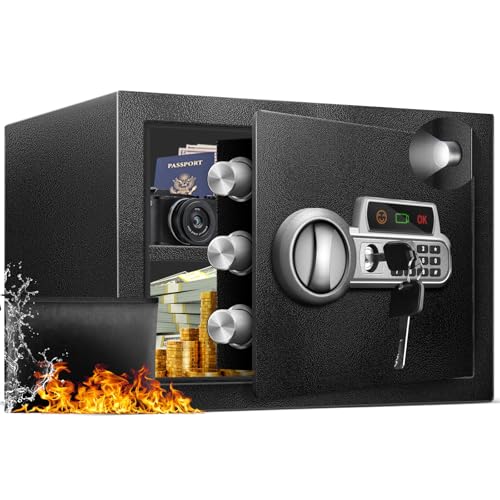
Fdsutvit Safe Box 1.5 Cu Ft, Steel Security with Fireproof Bag & Digital Electronic Keypad, Safety Lock Box, Sensor Light, Removable Shelf, Home Safe for Valuables Documents Money Jewelry
【Sturdy Steel for Ultimate Protection】The Fdsutvit safe box is engineered to withstand extreme impacts, drilling, and prying attempts….
As an affiliate, we earn on qualifying purchases.
As an affiliate, we earn on qualifying purchases.
Conclusion
By taking simple steps to protect your documents, you create a safe haven for your privacy, like a fortress shielding its treasures. Keep your files in lockable cabinets or hidden drawers, and always be mindful of who might see them. Just as a lighthouse guides ships safely through dark waters, your vigilance keeps prying eyes at bay. With these habits, you’ll guarantee your personal information stays secure, giving you peace of mind in your own home.

Secret Stash Lip Balm Diversion Safe – Chap Stick Hidden Stash Containers for Money, Pills, Cash, or Jewelry | Realistic Hiden Container – Discreet Secret Compartment Travel Safe Hide compartments
Discreet Everyday Design – Looks just like a real lip balm stick so no one suspects a thing….
As an affiliate, we earn on qualifying purchases.
As an affiliate, we earn on qualifying purchases.

Amazon Basics Portable Diversion Book Safe, Secret Hidden Lock Box with Key Lock for Valuables, Hidden Storage Compartment Disguised as a Book, Large, Blue
Portable lock box that looks like a book; great for hiding small valuables on a bookshelf
As an affiliate, we earn on qualifying purchases.
As an affiliate, we earn on qualifying purchases.