
To effectively document agreement modifications and amendments, you should clearly identify what changes are needed and draft an explicit amendment referencing the original contract. Follow proper procedures by obtaining approval from authorized parties, securing signatures, and recording all modifications securely. Communicate these changes to relevant stakeholders to ensure everyone is aligned. Proper documentation safeguards legal enforceability and maintains contract integrity—if you keep exploring, you’ll learn additional best practices to manage amendments smoothly.
Key Takeaways
- Clearly identify and draft amendments referencing the original agreement and specifying the exact changes.
- Follow the established procedures, obtaining approval and signatures from authorized parties.
- Attach signed amendments to the original document and maintain comprehensive records of all modifications.
- Communicate amendments effectively to all stakeholders to ensure understanding and compliance.
- Preserve an audit trail and update related documentation to uphold contractual integrity over time.

When modifying or amending an agreement, clear documentation is essential to guarantee all parties understand and agree to the changes. Properly recording contractual adjustments ensures that everyone remains on the same page and reduces the risk of disputes later on. To achieve this, you need to follow specific amendment procedures that detail how changes are made, approved, and documented. These procedures serve as a roadmap, guiding you through the process and ensuring consistency and legal enforceability.
Clear documentation of amendments ensures mutual understanding, reduces disputes, and maintains contractual integrity over time.
First, it’s important to identify the scope of the modifications. Are you adjusting deadlines, changing payment terms, or adding new obligations? Clarifying what needs to be amended prevents ambiguity and ensures that the documentation accurately reflects the agreed-upon changes. Once the scope is clear, you should draft an amendment document that explicitly states the modifications. This document must reference the original agreement, specify the clauses or sections being altered, and detail the new terms. Using precise language is vital to avoid misinterpretation.
Next, follow the established amendment procedures outlined in your original contract or organizational policies. These procedures typically specify who must approve the changes and how approval should be documented. For example, some agreements require signatures from authorized representatives of all parties, while others may involve notarization or witness attestations. Adhering to these procedures not only ensures legality but also demonstrates that the amendments were made legitimately.
Once the amendment document is prepared and approved, it should be signed by all involved parties. Signatures serve as formal acknowledgment that everyone agrees to the changes and understands their implications. It’s also wise to attach the signed amendment to the original agreement or store it in a centralized, accessible location for future reference. This helps maintain a detailed record of all contractual adjustments over time.
In addition, consider updating related documentation to reflect the amendments. If the original contract references specific schedules, appendices, or related agreements, these should be revised accordingly. Maintaining a clear audit trail is vital for transparency and accountability.
Finally, communicate the amendments to all relevant stakeholders. Make sure everyone involved in the contract, including internal teams and external partners, is aware of the changes. Clear communication helps avoid misunderstandings and ensures that everyone acts in accordance with the revised terms. By following these steps, you can effectively document agreement modifications, uphold the integrity of your contractual relationships, and protect your interests over time.

LLC Operating Agreement Amendment: Modifications To Original LLC Operating Agreement
As an affiliate, we earn on qualifying purchases.
As an affiliate, we earn on qualifying purchases.
Frequently Asked Questions
How Should Disputes Over Amendments Be Resolved?
When disputes over amendments arise, you should prioritize dispute resolution methods like negotiation or mediation to reach an agreement quickly. If those fail, consider arbitration or legal action. To guarantee amendment enforcement, clearly document all discussions and decisions. Staying proactive and transparent helps prevent misunderstandings. Ultimately, having a well-defined dispute resolution process in your agreement supports smooth amendment enforcement and minimizes conflicts.
Are Electronic Signatures Legally Binding for Amendments?
Think of digital signatures as the modern seal on a scroll. Yes, they’re legally valid for amendments, much like ink on paper. Electronic signatures, or digital signatures, hold the same legal validity when they meet specific criteria, such as authenticity and integrity. So, you can confidently rely on electronic signatures to amend agreements, knowing they’re recognized by law and carry the same weight as traditional signatures.
What Are Common Mistakes in Documenting Modifications?
You often make mistakes in documenting modifications by lacking clause clarity, which can cause confusion later. Make certain each change is clearly described, and avoid vague language. Failing to verify signature authenticity can also undermine the validity of the amendment. Always double-check that signatures are genuine and properly obtained. By focusing on clause clarity and signature authenticity, you reduce errors and keep your documentation legally sound and enforceable.
How Long Should Amendment Records Be Retained?
You should retain amendment records for at least the duration of the contract plus several years afterward, often 3-7 years, to guarantee contract flexibility and compliance with amendment procedures. This allows you to verify past modifications if disputes arise or audits occur. Keeping thorough records demonstrates proper documentation practices, maintains clarity, and supports the integrity of the agreement, especially when future modifications or legal reviews are necessary.
Who Typically Approves Agreement Modifications?
You typically approve agreement modifications according to the contractual language and amendment procedures outlined in the original contract. Usually, designated parties like project managers, legal teams, or senior executives review and sign off on amendments to guarantee they align with contractual requirements. It is crucial to follow the specific approval hierarchy and document all decisions properly, maintaining clear records of who approved each modification and when, to uphold the integrity of the agreement.

Quicken Willmaker Plus 2013: Book & Software Kit
Used Book in Good Condition
As an affiliate, we earn on qualifying purchases.
As an affiliate, we earn on qualifying purchases.
Conclusion
As you navigate the maze of agreement modifications, remember that each change is like adding a new brushstroke to a shared masterpiece. Clear documentation guarantees everyone stays on the same page, preventing misunderstandings from casting shadows over your work. Think of amendments as the seasoning that enhances the original recipe, making it better with each tweak. Keep your records tight and your communication open—because well-documented changes are the compass guiding your agreement safely home.

Contract Management Software A Complete Guide – 2021 Edition
As an affiliate, we earn on qualifying purchases.
As an affiliate, we earn on qualifying purchases.
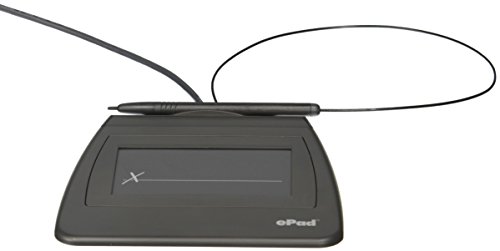
Interlink Electronics ePadlink VP9801 ePad-ink Electronic Signature Capture Pad, USB (Renewed)
Item Package Dimension: 9.099999990718L X 6.49999999337W X 1.599999998368H Inches
As an affiliate, we earn on qualifying purchases.
As an affiliate, we earn on qualifying purchases.