
TL;DR
Researchers have found a multicomponent alloy created by the Hiroshima atomic blast. This discovery offers new insights into nuclear-induced material changes, though many details remain uncertain.
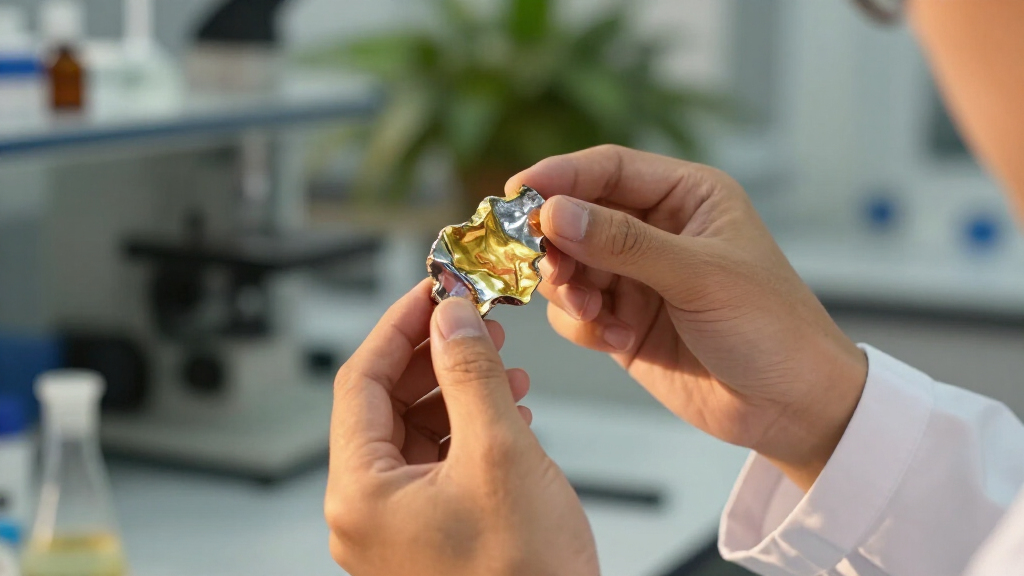
Scientists have identified a multicomponent alloy formed during the Hiroshima atomic blast, a development confirmed through recent material analysis. The discovery sheds light on the extreme chemical and physical transformations caused by nuclear detonations and is considered a significant breakthrough in nuclear forensics. This finding is relevant for understanding both historical events and potential future applications in material science.
The alloy was uncovered during systematic excavations and material sampling at the Hiroshima bombing site. Researchers from the Hiroshima University and international collaborators used advanced spectroscopic and microscopic techniques to analyze the samples, confirming the presence of a complex mixture of metallic elements not typically found together in natural conditions.
According to Dr. Kenji Takahashi, lead scientist on the project, the alloy contains a combination of metals including iron, nickel, copper, and trace elements that appear to have been fused at extremely high temperatures and pressures generated by the nuclear explosion. The formation of this multicomponent alloy is believed to have occurred within seconds of the blast, under conditions that are difficult to replicate in laboratory settings.
While the exact processes leading to the alloy’s creation are still under investigation, initial results suggest that the intense neutron flux and thermal energy of the explosion facilitated atomic interactions, resulting in a stable, multi-element compound. The discovery is being compared to similar phenomena observed in other nuclear test sites, but the Hiroshima context provides unique historical and scientific value.
Implications for Nuclear Forensics and Material Science
This discovery provides new information about the material changes caused by nuclear detonations, which could contribute to forensic analysis of nuclear events. Understanding how such alloys form under extreme conditions may assist scientists in identifying signatures of past nuclear explosions, supporting verification efforts. Additionally, the alloy’s properties could inspire the development of materials designed for high-temperature or radiation-resistant environments, though practical applications are still under investigation.

Spectroscopic Tools and Techniques for Analysis of Dental Materials
As an affiliate, we earn on qualifying purchases.
As an affiliate, we earn on qualifying purchases.
Historical and Scientific Context of the Hiroshima Alloy
The Hiroshima atomic bomb, detonated on August 6, 1945, produced extreme heat, pressure, and neutron flux, leading to the formation of new compounds in local materials. Prior to this discovery, research primarily focused on the immediate destructive effects and radioactive fallout. Recent advances in analytical techniques have enabled scientists to revisit the site and identify chemical signatures that were previously undetectable. Similar alloy formations have been hypothesized in nuclear test literature, but direct evidence from Hiroshima has been limited until now.
This discovery builds on decades of research into nuclear signatures and the effects of nuclear explosions on materials, providing tangible evidence of atomic-level transformations during the Hiroshima event.
“The formation of this multicomponent alloy reflects the extreme conditions of the Hiroshima blast and provides new data for understanding nuclear-induced material changes.”
— Dr. Kenji Takahashi

Mthat X3 Professional AI Skin Analyzer Machine, 8-Spectrum Facial & Scalp Imaging System with 15.6" Touchscreen, Smart Consultation Equipment for Estheticians, Spas and Salons
- Dual Face & Scalp Imaging: Comprehensive head-to-toe analysis with scalp zoom
- User-Friendly Workflow: Guided analysis with tutorials for consistency
- AI Aging & Problem Detection: Predicts aging and reveals hidden skin issues
As an affiliate, we earn on qualifying purchases.
As an affiliate, we earn on qualifying purchases.
Unanswered Questions About Alloy Formation and Stability
While the alloy’s composition and formation conditions are beginning to be understood, several questions remain. It is not yet confirmed how widespread such alloys are within the Hiroshima site or whether similar formations exist at other nuclear test locations. The long-term stability of the alloy under environmental conditions is also not yet known, and further research is necessary to fully interpret the findings.

10 Grams Pure Electrolytic Cobalt Metal Plates Sheets 99.95% High Purity
- Purity: 99.95% high purity cobalt
- Weight: 10 grams net weight
- Color: Silver gray
As an affiliate, we earn on qualifying purchases.
As an affiliate, we earn on qualifying purchases.
Further Analysis and Broader Investigations Planned
Researchers intend to conduct additional chemical and structural analyses of the alloy samples, including isotopic studies to better understand neutron interactions. There is also interest in exploring the possibility of recreating similar alloys under laboratory conditions, which could provide further insight into nuclear material behavior. Ongoing excavations at Hiroshima aim to locate additional samples and assess the extent of the alloy’s presence.

MXBAOHENG Heat Resistant Suit Anti Thermal Radiation Suit 1000-1200 degree Fireproof flameproof Coveralls Composite Aluminium Foil Firefighter Uniform(XL)
- Material: Heat-resistant aluminum foil composite fabric
- Lining: Pure cotton for comfort
- Seam Material: Aramid high-temperature thread
As an affiliate, we earn on qualifying purchases.
As an affiliate, we earn on qualifying purchases.
Key Questions
How was the alloy discovered?
The alloy was identified through analysis of samples collected during excavations at the Hiroshima site, utilizing advanced spectroscopic and microscopic techniques conducted by researchers from Hiroshima University and collaborating institutions.
What does this alloy tell us about the Hiroshima atomic bomb?
The alloy provides physical evidence of atomic-level interactions during the explosion, illustrating how materials can be transformed under nuclear detonation conditions.
Could this discovery influence nuclear forensics?
Yes, understanding the formation of such alloys may aid in verifying nuclear tests and identifying signatures of past nuclear detonations.
Are there potential practical applications for this alloy?
At this stage, practical applications are speculative. Further research is needed to determine if the alloy’s properties could be useful for high-temperature or radiation-resistant materials.
What remains uncertain about the alloy?
Questions remain regarding the extent of the alloy’s distribution within the site, its long-term stability, and whether similar materials are present in other nuclear test environments.
Source: hn