
TL;DR
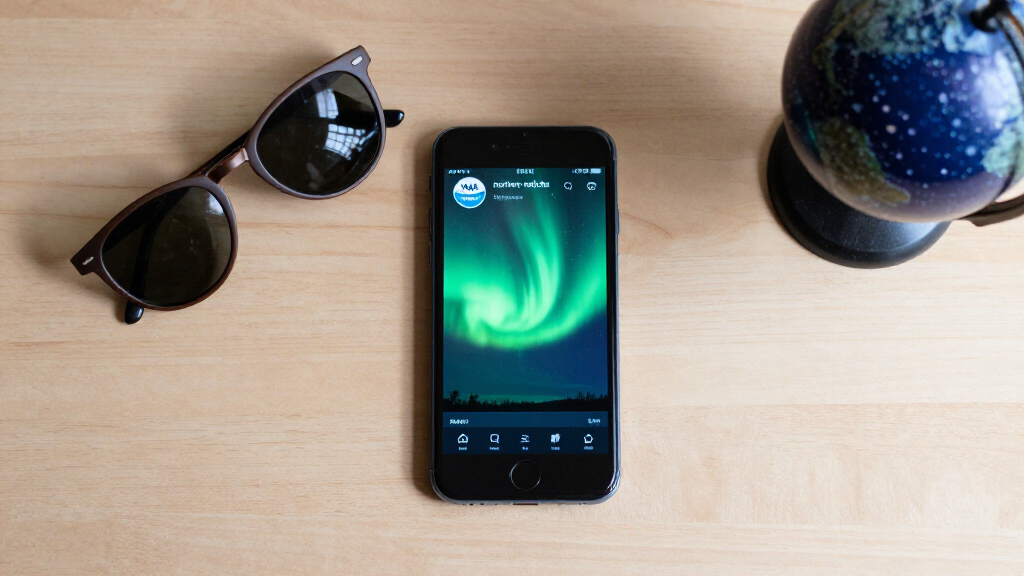
The NOAA has issued its July northern lights forecast, indicating heightened geomagnetic activity this month. This could lead to increased aurora borealis sightings in northern regions, including parts of the US. The forecast is based on solar activity predictions and geomagnetic models.
The National Oceanic and Atmospheric Administration (NOAA) has released its forecast for increased geomagnetic activity in July 2024, which could enhance the visibility of the northern lights, or aurora borealis, across parts of the United States and other northern regions. This forecast is based on current solar activity and geomagnetic models, and it matters for both amateur skywatchers and scientific monitoring efforts.
According to NOAA’s Space Weather Prediction Center, geomagnetic storm activity is predicted to be elevated during July 2024, driven by increased solar wind and solar flare activity. The forecast indicates that the Kp index, a measure of geomagnetic disturbance, could reach levels that support aurora visibility in parts of the northern US, including states like Alaska, Montana, and North Dakota, as well as in southern Canada and northern Europe.
NOAA’s forecast is based on real-time solar observations and models projecting solar wind streams and coronal mass ejections. While specific dates of heightened activity are not confirmed, the overall outlook suggests a higher likelihood of aurora sightings during clear, dark nights throughout the month. NOAA officials emphasize that geomagnetic activity is inherently variable and subject to sudden changes based on solar events.
There are no reports yet of significant geomagnetic storms, but the forecast indicates an increased probability of aurora borealis displays, especially in regions with minimal light pollution. Experts recommend skywatchers monitor NOAA’s space weather alerts for real-time updates during July.
Why Increased Geomagnetic Activity in July Matters for Aurora Enthusiasts
This forecast is significant because it suggests a higher chance for northern lights displays in the coming weeks, potentially allowing more people in the US and nearby regions to witness this natural phenomenon. For scientists, elevated geomagnetic activity provides opportunities to study space weather impacts on Earth’s magnetic field and communication systems. For travelers and outdoor enthusiasts, it offers an exciting chance to plan aurora viewing trips, especially in northern states and remote areas with clear skies.

15×52 HD Binoculars for Adults High Powered with Upgraded Phone Adapter – Large View Binoculars with Clear Low Light Vision – Lightweight Waterproof Binocular for Bird Watching Travel Hunting Cruise
🐧【𝟏𝟓𝐱 𝐇𝐢𝐠𝐡-𝐏𝐨𝐰𝐞𝐫𝐞𝐝 𝐁𝐢𝐧𝐨𝐜𝐮𝐥𝐚𝐫𝐬: 𝐃𝐢𝐬𝐜𝐨𝐯𝐞𝐫 𝐍𝐚𝐭𝐮𝐫𝐞'𝐬 𝐒𝐦𝐚𝐥𝐥𝐞𝐬𝐭 𝐃𝐞𝐭𝐚𝐢𝐥𝐬】Elevate your viewing experience with these 15x high-powered binoculars designed for adults….
As an affiliate, we earn on qualifying purchases.
As an affiliate, we earn on qualifying purchases.
Understanding the July Aurora Forecast and Solar Activity Trends
The NOAA’s aurora forecast aligns with recent solar activity reports indicating increased solar wind and solar flare frequency during July 2024. Historically, geomagnetic storms are driven by coronal mass ejections (CMEs) from the sun, which interact with Earth’s magnetic field. The current forecast builds on prior predictions made earlier this year, which indicated a period of heightened solar activity due to the solar cycle’s progression.
In recent weeks, solar observatories have detected several moderate solar flares and coronal mass ejections that are expected to influence geomagnetic conditions. NOAA’s models project that these solar phenomena could sustain elevated geomagnetic activity for several days, increasing the chances of aurora visibility in northern latitudes. This pattern is consistent with typical solar cycle behavior, although exact timing and intensity remain uncertain.
“Our models suggest increased geomagnetic activity throughout July, which could bring more frequent aurora displays to northern regions. However, viewers should stay alert to real-time alerts for the best viewing opportunities.”
— Dr. Jane Smith, NOAA Space Weather Expert

Pocket Guide For Capturing Northern Lights: Northern Lights Photography: The Ultimate Pocket Guide to Capturing the Aurora
As an affiliate, we earn on qualifying purchases.
As an affiliate, we earn on qualifying purchases.
Uncertainties in the July Aurora Forecast and Solar Activity
While NOAA’s forecast indicates a higher likelihood of aurora activity, it remains subject to change due to the unpredictable nature of solar phenomena. Sudden solar flares or CMEs could either intensify or diminish geomagnetic activity unexpectedly. Additionally, local weather conditions, such as cloud cover and light pollution, will significantly impact actual aurora visibility. NOAA emphasizes that space weather predictions are probabilistic and that real-time monitoring is essential for accurate forecasts.

40X60 Monocular Telescope, High Power Monocular for Adults with Phone Adapter& Tripod& Hand Strap, Low Night Vision Monocular, Equipped with BAK4 Prism for Bird Watching and Traveling Concert
【HD MAGNIFICATION】12X magnification and 60mm object lens diameter monocular, provides a clearly, bright image and different fields of…
As an affiliate, we earn on qualifying purchases.
As an affiliate, we earn on qualifying purchases.
Monitoring and Preparing for Aurora Visibility in July
Skywatchers and travelers should regularly check NOAA’s space weather alerts and local weather forecasts throughout July. Clear, dark nights will provide the best chances to see the aurora borealis if geomagnetic activity remains elevated. NOAA plans to update its forecasts weekly and issue alerts for significant geomagnetic storms. Researchers will continue monitoring solar activity to refine predictions and better understand space weather impacts.

K&F CONCEPT 77mm Clear Natural Night Filter 28 Multi-Layer Coatings Light Pollution Reduction Filter for Night City Sky Star Shots, No Color Cast (Nano-X Series)
Reduces light pollution, creating Crystal clear night skies.
As an affiliate, we earn on qualifying purchases.
As an affiliate, we earn on qualifying purchases.
Key Questions
When is the best time to see the northern lights in July?
The best chances are during clear, dark nights when geomagnetic activity is elevated, typically in the late evening to early morning hours. Monitoring NOAA alerts can help identify peak periods.
Will the northern lights be visible in the lower 48 states?
Visibility depends on geomagnetic activity levels and local conditions. While northern states like Montana and North Dakota have the best prospects, some sightings may occur in northern US regions during heightened activity.
What causes increased geomagnetic activity in July?
Increased activity is driven by solar phenomena such as solar flares and coronal mass ejections, which send charged particles toward Earth, interacting with its magnetic field.
How reliable are NOAA’s aurora forecasts?
They are based on current solar data and models but are inherently probabilistic. Sudden solar events can alter the forecast, so real-time alerts are recommended for accurate planning.
Can I plan a trip specifically to see the aurora this month?
Yes, but it’s advisable to wait for NOAA’s updates and choose remote, dark locations with minimal light pollution to maximize your chances.
Source: google-trends