
TL;DR

Prime made for students and young adults
- Fast, free delivery for dorm and study essentials
- Prime Video and Amazon Music included
- Member-only deals
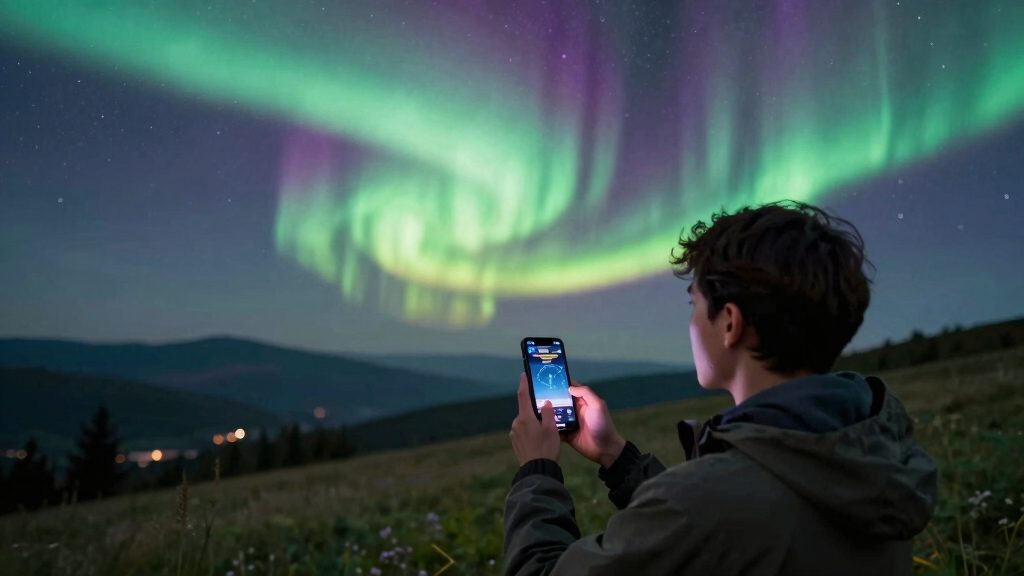
A solar storm is predicted to cause visible Northern Lights in parts of the United States before July 4. Authorities confirm the event, which could offer a rare sky show for residents in affected states.
A solar storm is forecasted to produce Northern Lights visible in several northern U.S. states before the upcoming Fourth of July holiday, according to space weather agencies. This development could allow residents in these areas to witness a rare sky spectacle, with authorities issuing alerts to prepare the public.
The National Oceanic and Atmospheric Administration (NOAA) and other space weather sources have confirmed that a solar storm is expected to reach Earth in the coming days, potentially causing auroras to be visible as far south as parts of the northern Midwest and Great Lakes region. Forecasters say the storm is associated with a coronal mass ejection (CME) released from the sun last week, which is now en route to Earth.
According to NOAA’s Space Weather Prediction Center, the storm’s intensity could produce geomagnetic activity classified as G2 or G3 on the NOAA scale, which is strong enough to produce visible auroras at lower latitudes. Officials have advised residents in affected areas to stay alert for sky-watching opportunities and to follow safety guidelines if they plan to view the Northern Lights.
While the exact timing and extent of visibility remain uncertain, meteorologists and space weather experts agree that the phenomenon could be observable in states such as Montana, North Dakota, Minnesota, Wisconsin, Michigan, and parts of northern Illinois and Ohio, especially during clear nights.
Why the Upcoming Aurora Event Matters for U.S. Residents
This solar storm and potential aurora display provide a rare opportunity for residents in certain U.S. states to witness the Northern Lights without traveling abroad. Such events can boost public interest in space weather phenomena and serve as a reminder of the sun’s influence on Earth’s environment. Additionally, strong geomagnetic activity can occasionally impact power grids and satellite operations, prompting authorities to monitor infrastructure for any disruptions.
Experts emphasize that while the event is exciting for skywatchers, it also highlights the importance of space weather forecasting and preparedness, especially as solar activity increases during the solar cycle.
Northern Lights viewing binoculars
As an affiliate, we earn on qualifying purchases.
As an affiliate, we earn on qualifying purchases.
Recent Solar Activity and Historical Aurora Events
The current solar storm is part of the solar cycle, which peaks approximately every 11 years. The last significant geomagnetic storm occurred in 2015, producing visible auroras in northern U.S. and southern Canada. Historically, solar storms have caused disruptions to satellite communications and power grids, but they also offer spectacular visual displays.
Space weather agencies have been monitoring solar activity closely since early June, as increased sunspot activity and CME releases have become more frequent. The last notable storm in 2012 caused minor disruptions but also produced impressive auroras visible as far south as Kansas and Oregon.
Scientists stress that forecasting the precise timing and impact of solar storms remains challenging, but current models suggest this upcoming event could be one of the more visible aurora displays in recent years.
“This solar storm has the potential to produce visible auroras in parts of the U.S. that rarely see them, offering a unique viewing opportunity.”
— Dr. Lisa Grant, NOAA space weather expert
As an affiliate, we earn on qualifying purchases.
Uncertainties in Aurora Visibility and Storm Impact
While forecasts indicate a geomagnetic storm is imminent, the exact timing, intensity, and geographic extent of visible auroras remain uncertain. Factors such as cloud cover, local light pollution, and the storm’s strength could influence visibility. Additionally, the potential impact on power grids and satellites is still being assessed, with authorities monitoring the situation closely.
As an affiliate, we earn on qualifying purchases.
Monitoring and Public Alerts Ahead of the Aurora Display
Space weather agencies will continue to update forecasts as the solar storm approaches, providing more precise timing and visibility prospects. Local authorities and astronomy groups may issue alerts or organize viewing events. Residents are advised to stay informed through official channels and prepare for possible disruptions or viewing opportunities in the coming days, especially during clear nights.
As an affiliate, we earn on qualifying purchases.
Key Questions
When is the best time to see the Northern Lights this week?
Forecasts suggest the best viewing windows will be during clear, dark nights in the coming days, particularly before July 4, but exact timing depends on the storm’s progression and local weather conditions.
Which states are most likely to see the auroras?
States including Montana, North Dakota, Minnesota, Wisconsin, Michigan, and parts of northern Illinois and Ohio are most likely to experience visible auroras, depending on local weather and light pollution.
Could this solar storm cause power outages or satellite issues?
While the geomagnetic activity could impact power grids and satellites, authorities are monitoring the situation, and no widespread disruptions are currently confirmed. Precautions may be recommended if storm intensity increases.
How often do solar storms produce visible auroras in the U.S.?
Visible auroras in the lower 48 states are relatively rare and typically occur during peak solar activity cycles, roughly every few years, making this event notable.
Source: google-trends
Halloween Picks
halloween
As an affiliate, we earn on qualifying purchases.